




Insight
The Collaborative Nature of Filmmaking
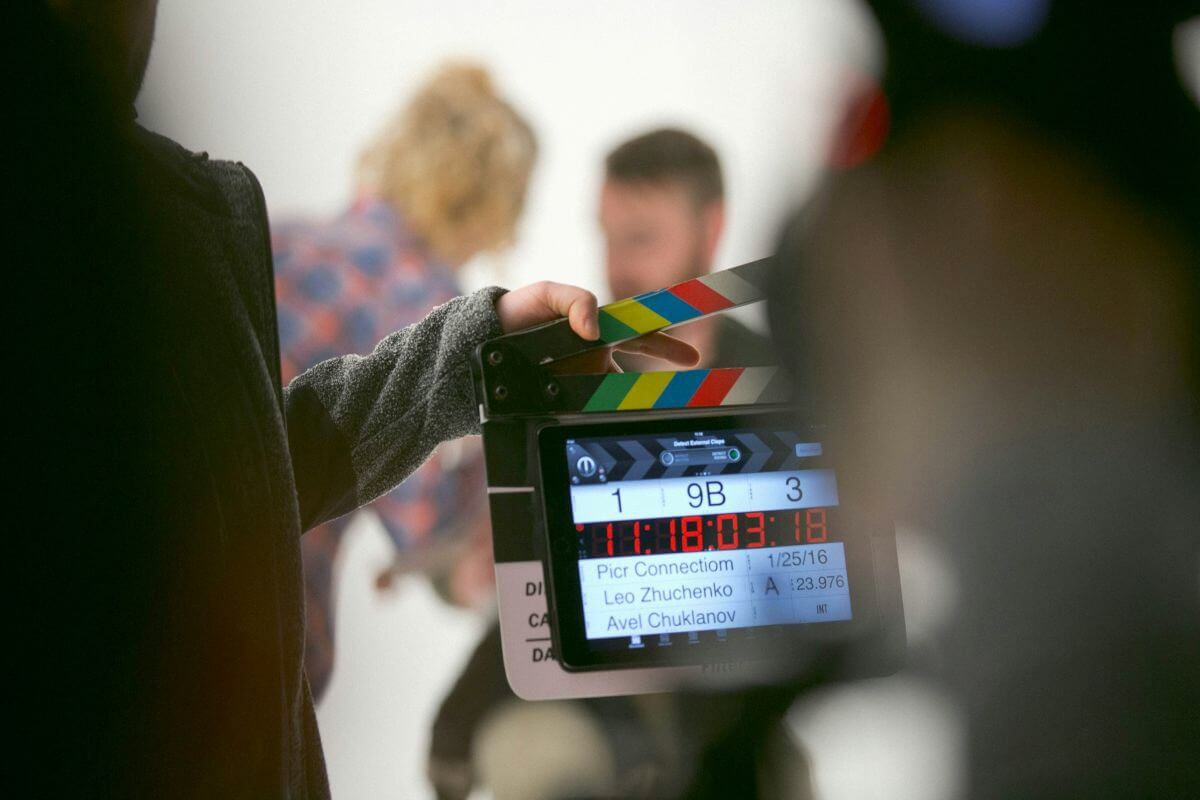
The creative process behind a film has long been the result of a collective effort and shared vision.
Although there are directors with unique ideas and approaches to storytelling, the auteur theory still needs diverse perspectives and other team members for a production’s creative potential to be realised.
From sound design and lighting to cinematography, set design and working with actors, there are a variety of elements that go into bringing a cinematic production to life. The success of a final film can depend on the effective communication skills of filmmakers, their ability to manage a team and how they approach this collaborative art form.
Professional film training can be an effective way of developing your abilities surrounding collaborative filmmaking. Students who study a degree like SAE’s Film Production course will have the chance to connect with their peers on a project and understand the challenges of working as part of a team. Networking forms a core aspect of university life and our creative communities give students a wide range of opportunities to come together with peers and like-minded individuals.
If you’re looking to join our course, then contact our team now for more details – and read our blog for more insights surrounding the importance of collaborating and how to create bold new ideas in the world of cinema.
How film is a collaborative art form
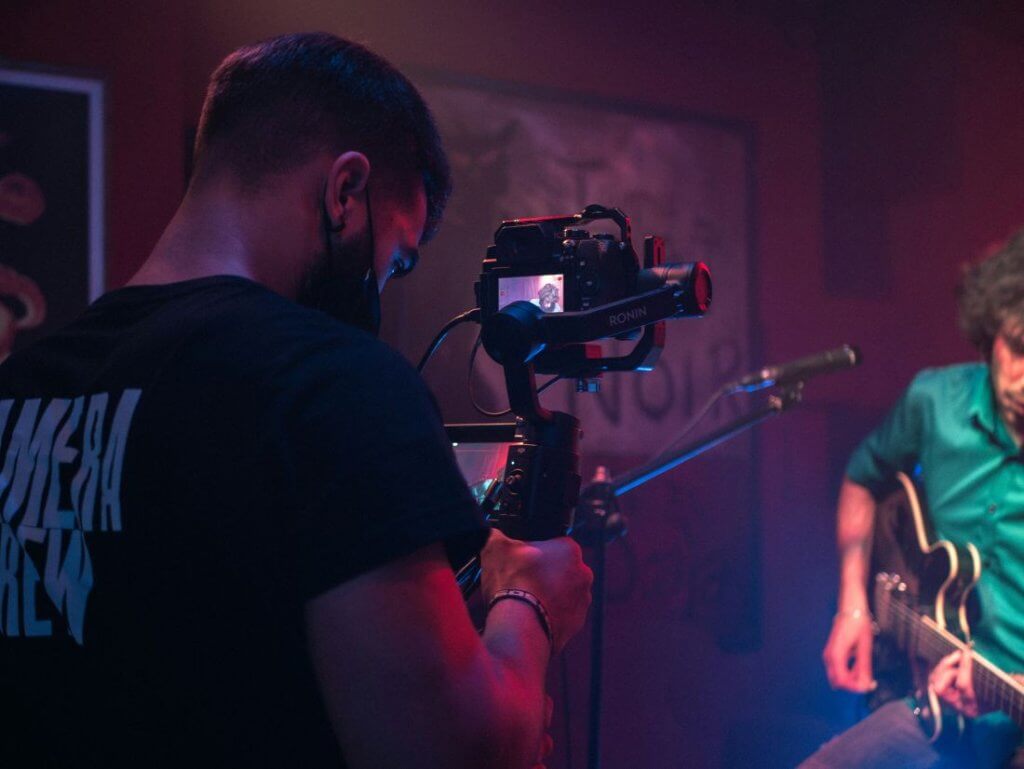
Whether it be a documentary, an indie production or Hollywood blockbuster, filmmaking requires more than one single person for it to come to life.
The auteur theory pushes the argument that a film director is often the primary creative force behind a piece of cinema or programme and different examples are cited. Of course, directors such as Quentin Tarantino, Alfred Hitchcock, David Lynch, Ben Wheatley, Mark Jenkin and Shane Meadows all bring their own distinct magic and expertise to a project.
However, although these directors have overall control and use film to showcase their distinct personality and style, working with a wider team is still crucial. Different departments will play an essential role on the various aspects of a production that are required for it to be completed.
Diverse talents including writers, directors, editors, actors, cinematographers, designers and technology experts all contribute to a final product. It’s their combination of expertise combined with the director’s flair that leads to a unified vision.
How can studying film make you adept at collaborative filmmaking
By studying a degree such as SAE’s Film Production programme, you can gain vital experience and explore what it takes to contribute to team projects.
Some of the essentials include:
Understanding workflow: Every professional needs to have experience of different workflows and how they are combined on a project. By collaborating with others on a set, then students will learn the best ways to communicate and anticipate the needs of others.
Giving and receiving feedback: Many projects will be realised via a shared vision, meaning the ability to give and take on board feedback is part of the creative process. Doing this constructively is the best approach and a core soft skill.
Negotiating conflict: Communication is key to so many roles within the creative industries and film is no different. When realising a film, there can be clashes either over the final product or creative direction. In this setting, the ability to navigate any potential conflict to reach a goal is invaluable.
Experimenting with different roles: A university is a great space to try on different filmmaking jobs, from camera operator to editor or director. This should ensure students have a broader picture of the opportunities and challenges faced by team members and allow them to empathise with any issues they might have.
Resilience and Reliability: Working under tight deadlines teaches discipline, patience, and dependability. These are important attributes if you want to be a trusted collaborator.
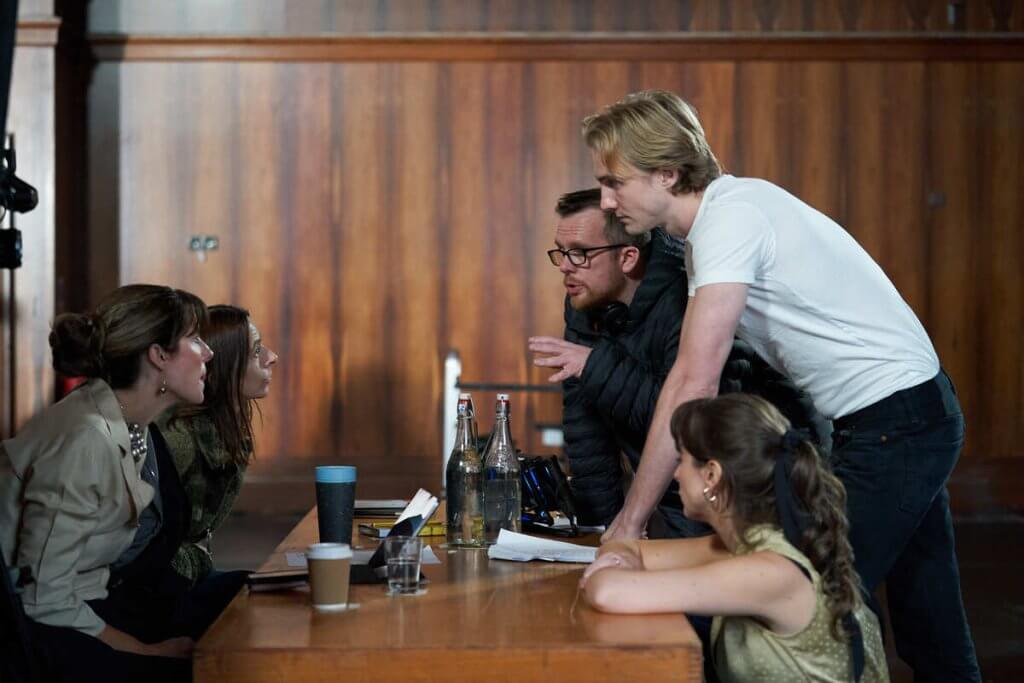
As part of their studies, SAE Film Production students had the opportunity to work on In The Room, a forthcoming short film funded by Creative Scotland and featuring Games of Thrones actor Kate Dickie.
Directed and co-written by SAE Film Production Lecturer Paul Barrie (pictured above) the short narrative film follows a protagonist who goes to a call-back audition for a role, only to be confronted by the unexpected return of a character from her past.
Diverse Perspectives and Collaboration in Filmmaking
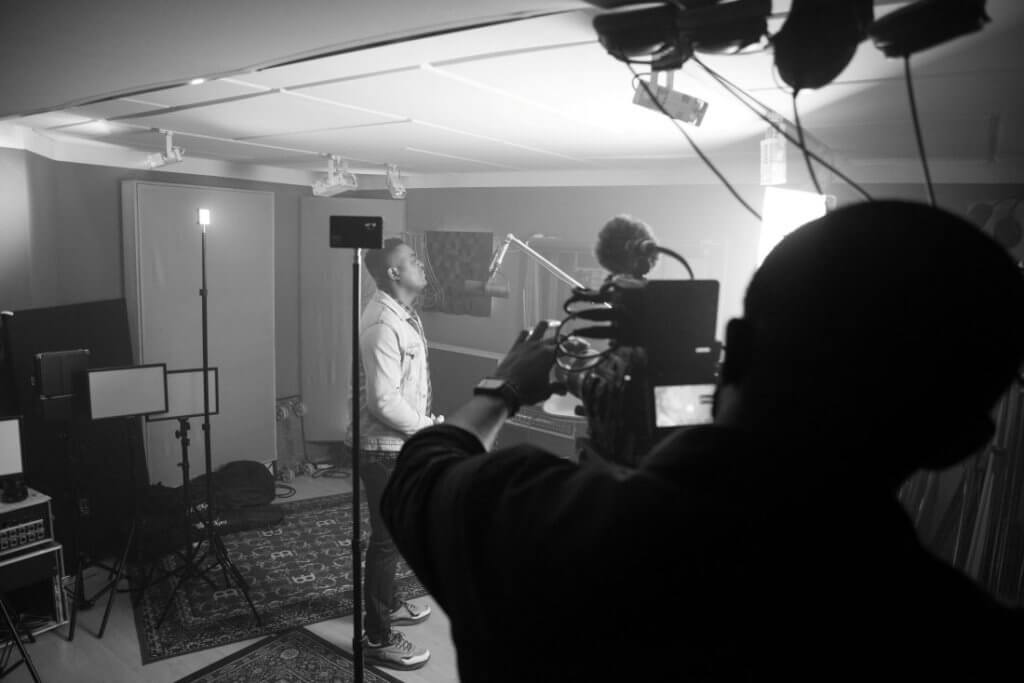
Collaboration within a film production is clearly a key element in the success of a final film.
Professionals working in different disciplines can bring unique perspectives to a project and it is the diverse dynamics of writers, producers and tech crew that can lead to greatness.
The role of the director is to enable these individuals to align to produce a cohesive piece of work. By bringing in multiple perspectives, the storytelling can be enriched too alongside the process and any problem-solving obstacles that need to be overcome.
As we’ve seen, strong bonds and trusting relationships are also important to the best kind of film production work. It is this combination of different skills, perspectives and areas of expertise that can ultimately lead to some of the best and most memorable film work and why honing a collaborative mindset is so important.
STUDY FILM Production at SAE
If you want to work in film production, get to grips with the latest video editing software and hone your skills in a uniquely collaborative environment, then our Film Production degree could be for you.
With high-end digital cinema cameras and production suites, our facilities and expert tutors are well placed to give your career the best possible start in this fast-paced and dynamic industry.