
Insight
The Power of Visual Storytelling: Why Film Matters
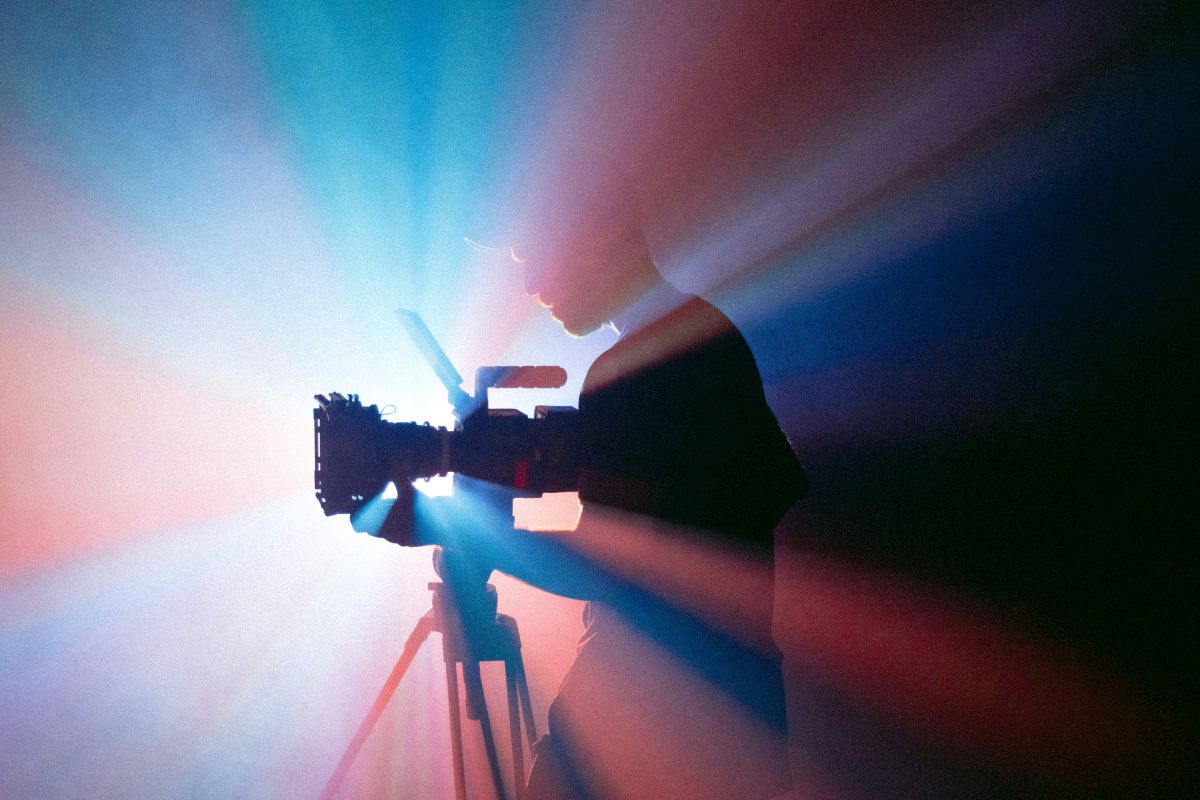
One of the most important elements of a film is the visual storytelling, a technique that can be enhanced by special effects, clever camera angles and creative edits.
For aspiring filmmakers looking to engage with an audience and take them on a memorable cinematic journey, effective storytelling can be a powerful tool in creating lasting impact.
To do this visually is to utilise different elements including set design, lighting, music and cinematography in the hope that this will convey a story’s meaning; so character emotions, the theme of a film or any subtexts so the narrative resonates deeply.
This approach can raise a film or documentary from mere spoken words between characters to an immersive experience with various weaving narratives. If you’re looking to gain an understanding of how visual storytelling works, then undertaking film and media studies such as SAE’s Film Production degree can be a great way to understand its potential for capturing mood and conveying a story.
Our blog will explore what visual storytelling is, why it’s important and the different techniques that can be utilised in making it work within the context of a film.
If you’re looking to join our film degree, then contact our team now.
What is visual storytelling
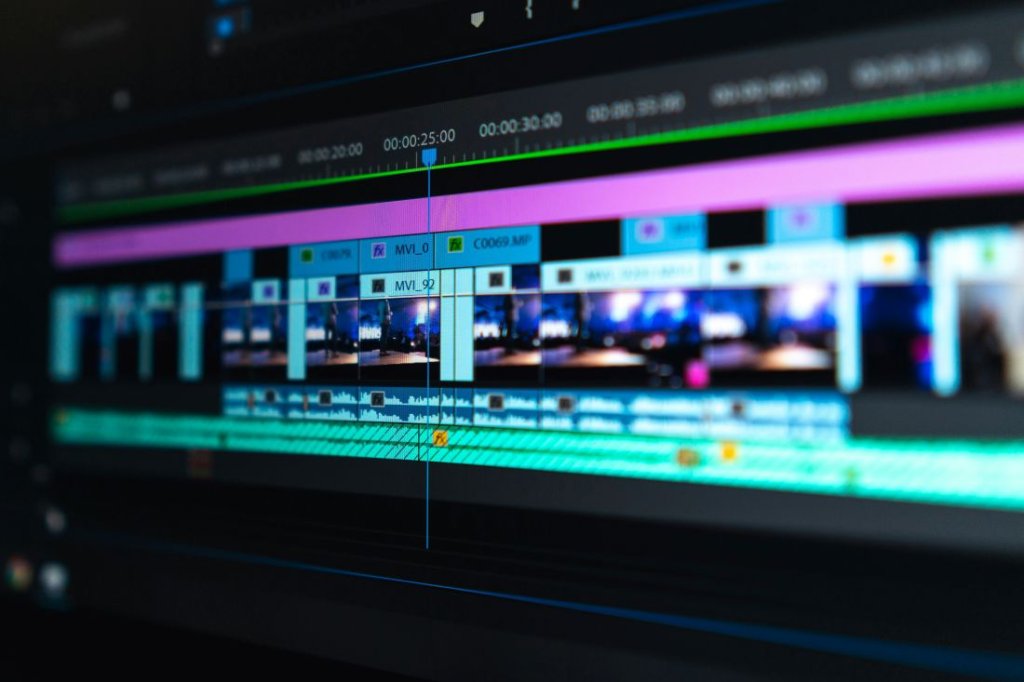
Visual storytelling is a filmmaking technique using imagery, composition and editing to communicate ideas and evoke universal emotions.
It is an important part of filmmaking, an ability that can help viewers be guided through a narrative without having to rely on spoken or written words. Instead, different elements such as a frame’s composition, colour, sound, symbolism and movement are integral in sharing what a story is about. It’s an approach that can apply to documentary storytelling alongside fictional films.
Why does a good story matter
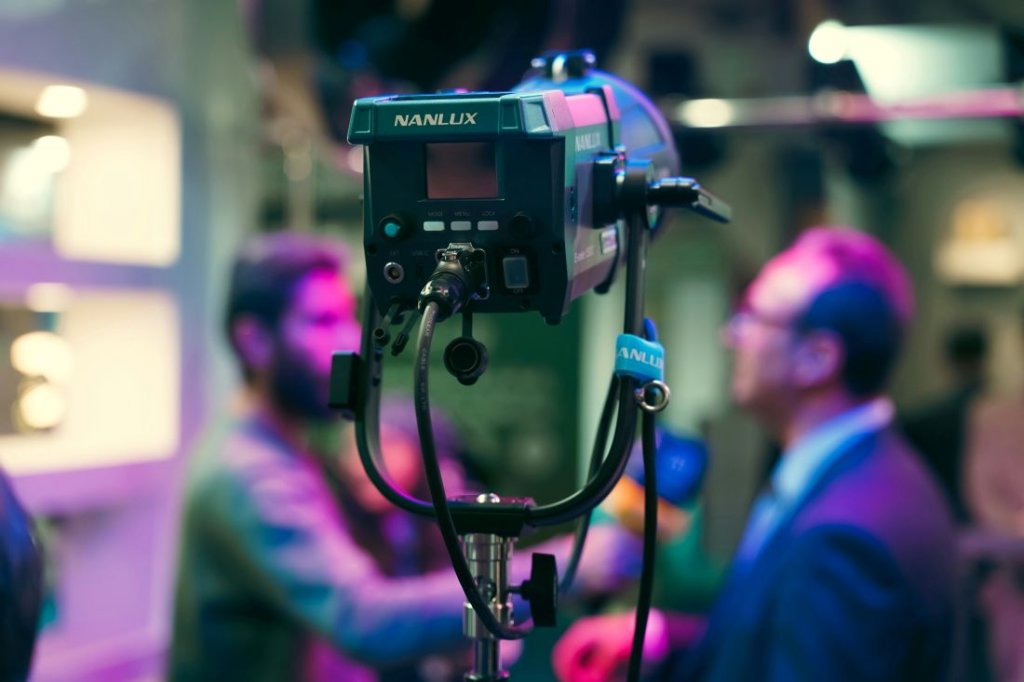
Many of us watch films to enjoy a story, to immersive ourselves in a fictional world. There are different ways to achieve this sense of removal from reality beyond character dialogue including combining the frame, sound and edit alongside other visual elements.
How a good story can generate an emotional response
The focus of effective storytelling in film is to establish a human connection with whoever is watching.
Audiences want to do more than follow the story of a film; they want to feel moved by it too. Films can invoke different responses in viewers, from fear and sadness to joy and inspiration. If a well-told story is created, then it can enable viewers to get closer to the characters, their lives and connect it with their own experiences.
Characters and the audience
Whether a film is a documentary or a fictional story, characters are an essential part of any story.
If a character is strong or striking, then they can be an effective vehicle for a narrative to be shared and come alive. The more viewers see themselves in a character, then the more they will care about them and their motivations and struggles. If viewers identify with the protagonists, it should also mean they are more invested in the story too and keep watching to its climax.
How a well-told story can keep audiences engaged
A compelling story follows a structure that keeps the audience engaged from start to finish. Usually, a story will focus on a traditional arc; the start of a film sets the scene, then a conflict will arise during the middle with the finish leading to some sort of resolution.
There is no set way to approach this with directors and filmmakers often looking to subvert traditional narrative structures to enhance audience engagement. By including different plot twists or revelations, viewers will never know what to expect next. This is an effective way of ramping up a film’s tension and drama.
Visual storytelling techniques
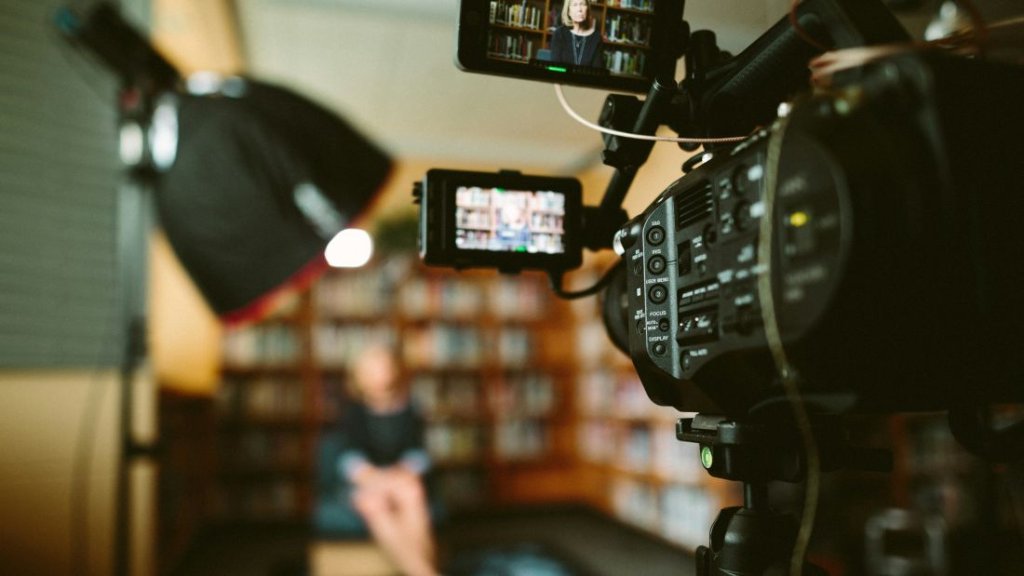
There are a variety of storytelling techniques that filmmakers can utilise to create their cinematic world. Some of the different approaches include the below.
Framing and Composition
How do directors compose their scenes?
Framing is an essential technique that can literally shape how viewers perceive and process any on-screen action.
There are different elements that filmmakers use when creating a scene including leading lines (to direct a viewer’s gaze), utilising the rule of thirds alongside striking a balance in a shot’s composition. Are you making a documentary piece? If so, the way a frame is put together can be crucial to provide some context behind a story or highlighting a particular emotion.
By working on the presentation of a visual space, a director can build atmosphere and hint at different elements to a story. Emotional resonance can be achieved and themes reinforced via background features, sounds and the placement of props. Storytelling and audience can therefore be brought closer together to make a documentary more powerful.
Lighting and Colour
If you are looking to shape the mood of a film, then care and attention must be given to lighting and the colour of a shot.
For example, authenticity can be enhanced by natural lighting. Detective films with tense drama may have more controlled lighting to leverage greater emotion. In the film noir genre, any suspense or conflict can be underlined by striking lighting effects. If a character is in some sort of jeopardy, they could be partially obscured or concealed by shadows. Documentaries often mix lighting styles to maintain realism while also underlining milestones in a story.
The colours chosen by a filmmaker will also influence how a story is perceived. Different palettes of colour can be utilised to emphasise a particular character, theme or emotion. Using this approach can also enable an audience to have a stronger emotional connection with different narrative moments.
Camera Angles
There are various ways to deploy a camera in emphasising the story or narrative. By panning, tilting, or tracking shots, audiences can feel more present in a story through having a better understanding of space.
Different types of camera movement also lend themselves to evoking different emotions. If a director is looking to increase urgency, then camera movements could be fast and uncontrolled. Smoother movements are usually associated with more tranquil moments – whatever the movement, if it fits the story, then it can lead to a greater emotional impact.
Different angles also influence the audience’s perspective too. An effective blend of angles and movements can help convey any story details.
Editing and Pacing
The flow of a film is built around how it is edited. If a director is looking to emphasis a particular moment, build tension or control the pace of a story, then editing can play a critical role from slow motion shots to fast-paced cuts.
Different types of pacing can bring out a certain sense from the narrative. For example, excitement can be elevated by faster cuts while more reflective moments can be underlined by the pace slowing. Visual storytelling conventions can also be played with by directors looking to subvert audience expectations too.
The way directors move between different scenes can also influence the way a story is told. Any abrupt changes can signal conflict while smoother transitions should enable viewers to easily follow the story. The type of edit utilised can also depend on the genre of a film or documentary.
Ultimately, an ability to use pacing and cuts effectively can be important details for filmmakers to master and help them create an effective visual experience.
STUDY FILM Production at SAE
If you want to work in film production, get to grips with the latest video editing software and hone your skills in a uniquely collaborative environment, then our Film Production degree could be for you.
With high-end digital cinema cameras and production suites, our facilities and expert tutors are well placed to give your career the best possible start in this fast-paced and dynamic industry.