Insight
XR Careers: Breaking into AR VR and Mixed Reality
As we have seen, extended reality (XR) has become increasingly prevalent in every area of our daily routines during the last few years.
The expansion and enhanced sophistication of virtual worlds means there is an increasing demand for professionals with technical skills, a knowledge of emerging technologies, digital innovation and a passion for immersive experiences.
From collaboration to innovation, XR in the form of Augmented Reality (AR), Virtual Reality (VR) and Mixed Reality (MR), is offering myriad opportunities for professionals, creatives and businesses – and it’s a sector on the rise as the tech evolves.
According to PWC, businesses need to start exploring XR now as, in less than a decade – by 2030 – XR is expected to boost global GDP by $1.5tn (£1.1tn) (the equivalent of 1.81 percent GDP).
Amid this rapidly moving landscape, a knowledge of programming languages, web development, spatial computing and how immersive environments work can be vital for anyone looking to excel in the XR space. Studying a course such as SAE’s Creative Computing & AI degree can be an effective gateway into understanding these new digital elements, the specific skills required to create them alongside any potential job opportunities.
Read our blog below for more on XR experiences, the responsibilities of XR developers and the various industries where XR can be applied.
Are you looking to make sense of the latest developments in XR? Then contact our team to learn more about our courses now.
What is Extended Reality?
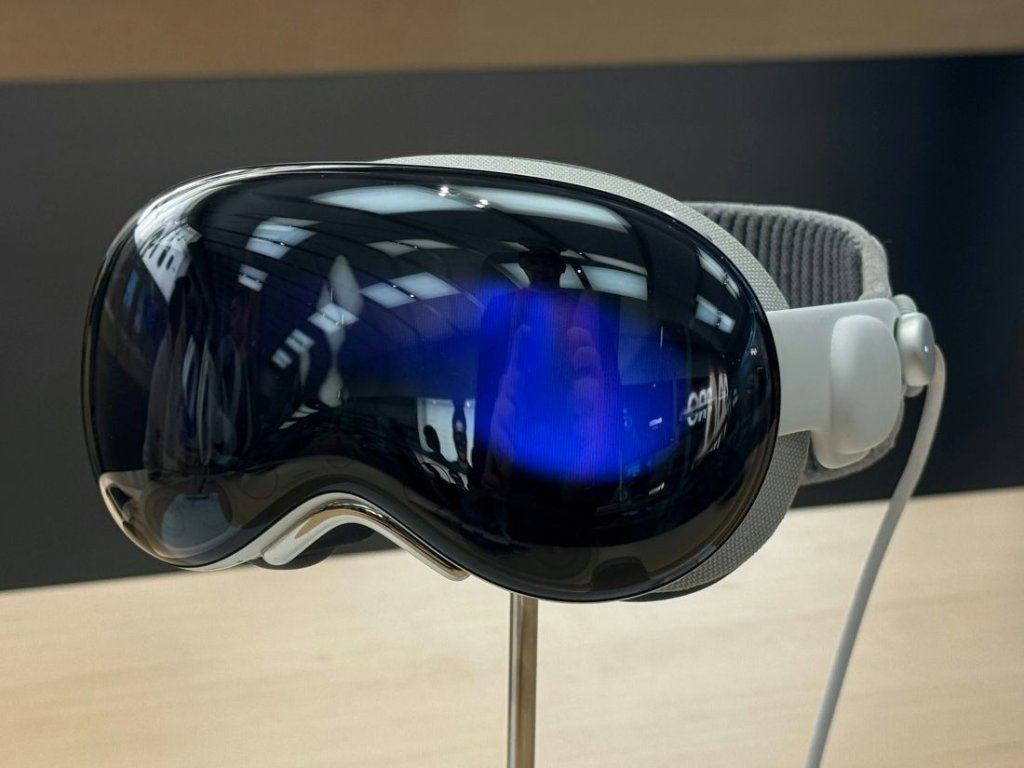
XR is an umbrella term that covers all immersive technologies including VR, AR and MR.
These different formats offer a rich variety of digital experiences, both in entertainment and professional spaces. The focus is on presenting engaging and authentic ways for audiences to interact with digital content.
From training the next generation of healthcare professionals to visually stunning, immersive experiences such as the Sphere in Las Vegas, XR is here – and the future is likely to see it become even more common in our everyday lives.
Virtual reality (VR)
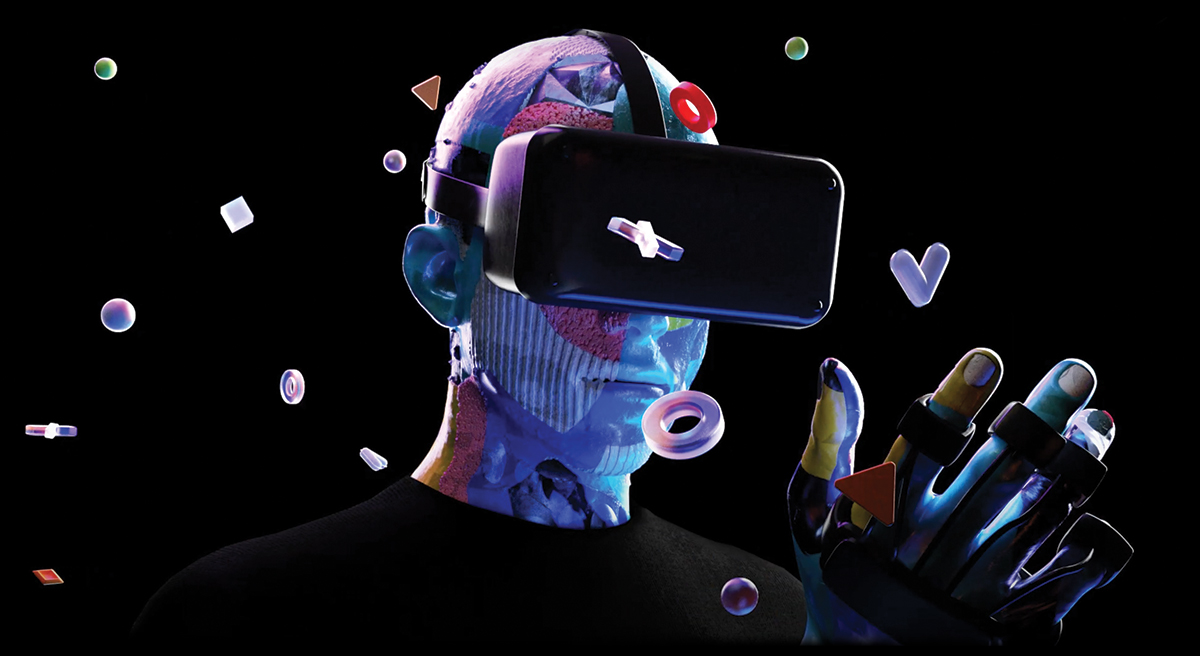
VR provides users with a completely virtual environment where they are removed from the realities of the physical world.
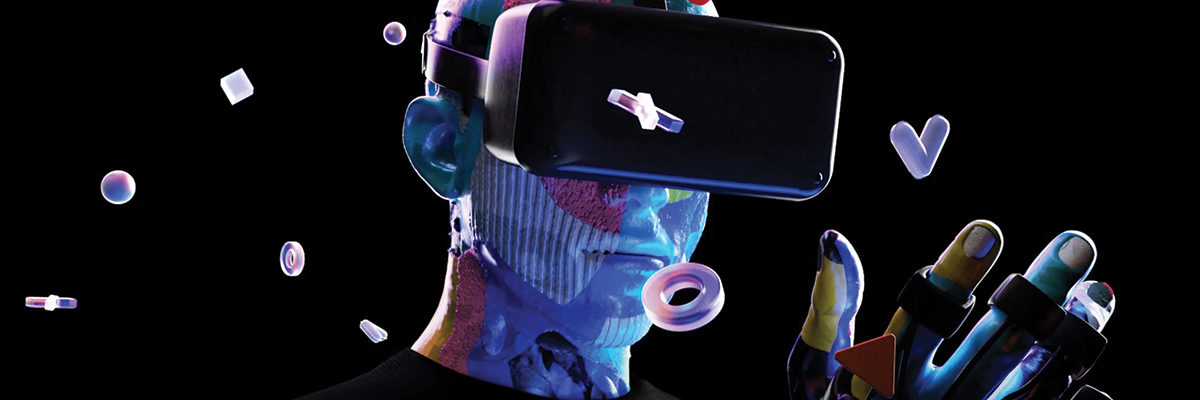
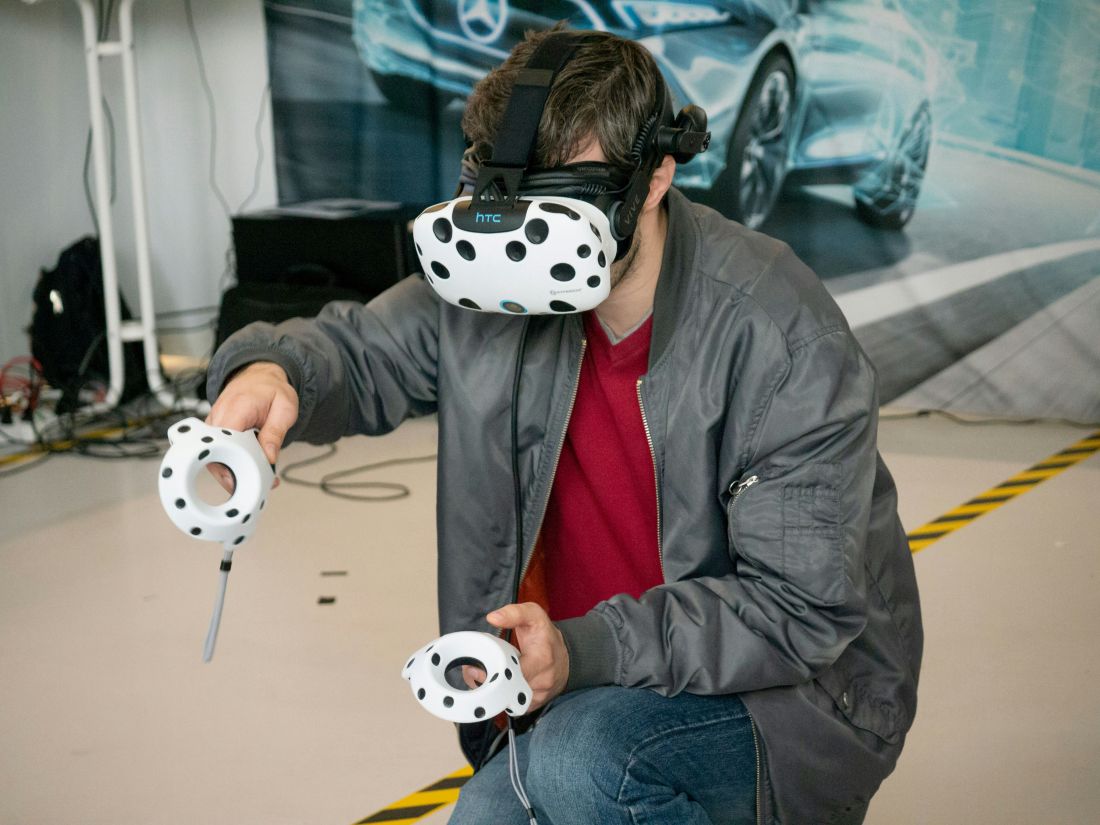
Utilising a VR headset, special controllers and even a wearable device like a haptic vest can create authentic computer-generated worlds for users to explore. Use cases exist in gaming but also training applications, virtual tours as well as installations and musical events.
Augmented reality (AR)
This is a blend of the real world with digital content, where visual elements are used to enhance a user’s perception of the immediate environment around them.
Mobile devices such as a smartphone or tablet can be paired with AR glasses to enable users to see this mix of digital with the physical world.
Some construction teams and fashion retailers (for virtual try-ons) utilise this tech to enhance how they operate, market and sell their products.
Mixed reality (MR)
MR, as you might imagine, is a mix of both VR and AR meaning digital objects can exist and interact with each other.
In this medium, Apple Vision Pro and Microsoft HoloLens are popular, allowing users to experience a deeper blend of digital and physical worlds. Some applications include health care, engineering and architecture for immersive training experiences, user research and more.
How studying a course can open up career paths
Image
Are you looking to explore XR tools from a creative perspective and how can they be used in problem solving for immersive experiences?
Then SAE’s Creative Computing & AI course will help you feel confident in your use of digital products, projects and the best ways to deploy this as part of a professional tech tool kit in the XR space.
Our state-of-the-art facilities alongside expert tutors will ensure you complete your degree with the knowledge and adaptable mindset to navigate the sector.
By studying our course, you will develop interactive applications using Unity and Unreal Engine, become adept at Adobe Creative Cloud, prototype interactive experiences, work with VR, AR and XR environments and much, much more.
Your career can be enhanced by developing an engaging portfolio alongside cultivating professionals networks that can begin during your studies. Joining a community like SAE’s also means you can collaborate with Film Production, VFX, Games, Audio Production students and more.
XR skills
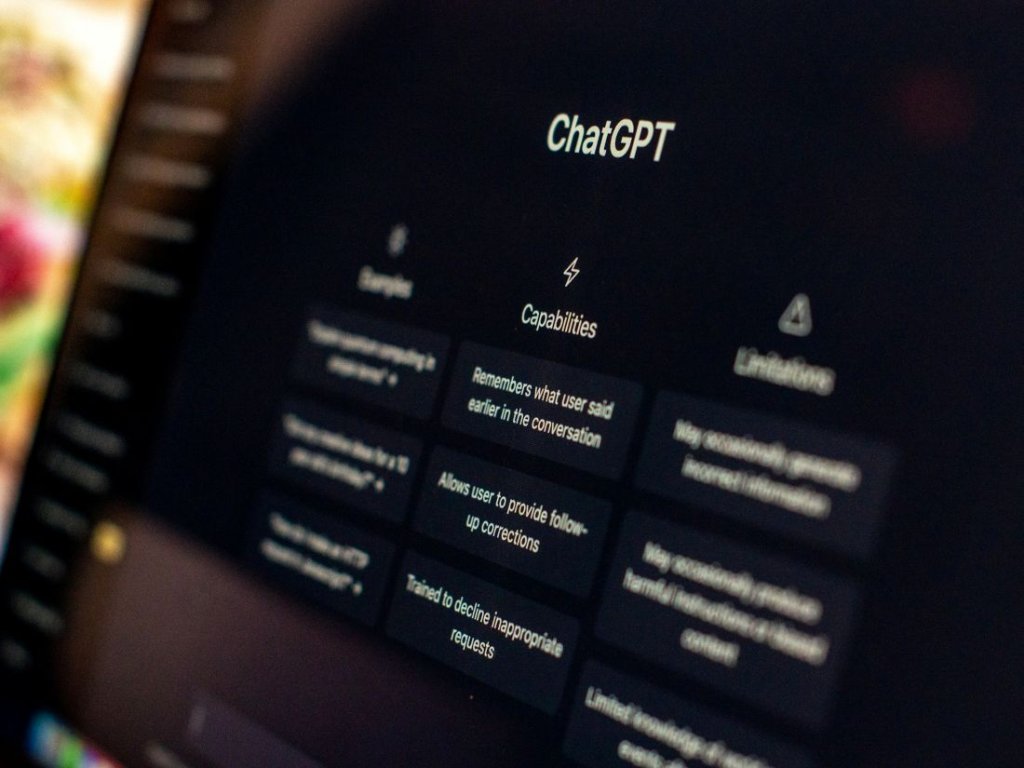
During your time with us, students will become proficient at using the latest creative AI tools and software, including Adobe Creative Cloud (Photoshop, Illustrator and Premiere Pro), ChatGPT, Microsoft Copilot, Ollama, LM Studio and Apple Vision Pro with Xcode and Swift.
On top of this, you’ll regularly trial a host of additional AI tools and software as they evolve at rapid speed and develop a future-facing mindset.
As part of the course, you will explore visual, text, video and interactive media while building a stunning multimedia portfolio of creative artefacts across the immersive media space.
XR technology career paths
XR technology will lead to an array of different roles and opportunities for creative computing professionals. They include:
Software Developer/Senior Software Engineer: The core skills employers look for in these professionals is a practical understanding of game engines such as Unity or Unreal Engine. Utilising this software, they will be capable of building immersive applications for clients while also optimising 3D environments.
AR/VR Maintenance Support: If you have an understanding of hardware or software and how it applies in 3D experience design, then a support role with a company could be well-suited. You’ll be able to use 3D tools like MAYA, 3D MAX, Autodesk 3D, or similar to create texts in 3D.
Design and Graphics Engineer: These opportunities require practical experience developing 3D applications or games. Again an understanding of engines like Unreal or Unity is essential alongside programming languages including C# and C++.
Game Artist (Technical Artist): Game artists usually utilise a range of software like MAYA, Unreal Engine, C++, understand prototyping with 3D models, have an eye for UX. They also need fantastic soft skills to communicate effectively to work well with wider teams.
Project Manager: These professionals will have experience in collaborating on projects with teams of designers, product testers, and engineers. They also have the ability to lead customer experience and work environments to meet often tight deadlines, a crucial skill if they are to stand out and win repeat work.
Study creative computing and ai
If you want to get to grips with the latest innovations and technologies shaping computing, then our Creative Computing and AI degree could be for you.
Our state-of-the-art facilities and expert tutors are well placed to give your career the best possible start in exciting and creative sector.