
Insight
Visual Effects: Bringing the Impossible to Life
The digital magic of the film industry relies heavily on the advent of new technology.
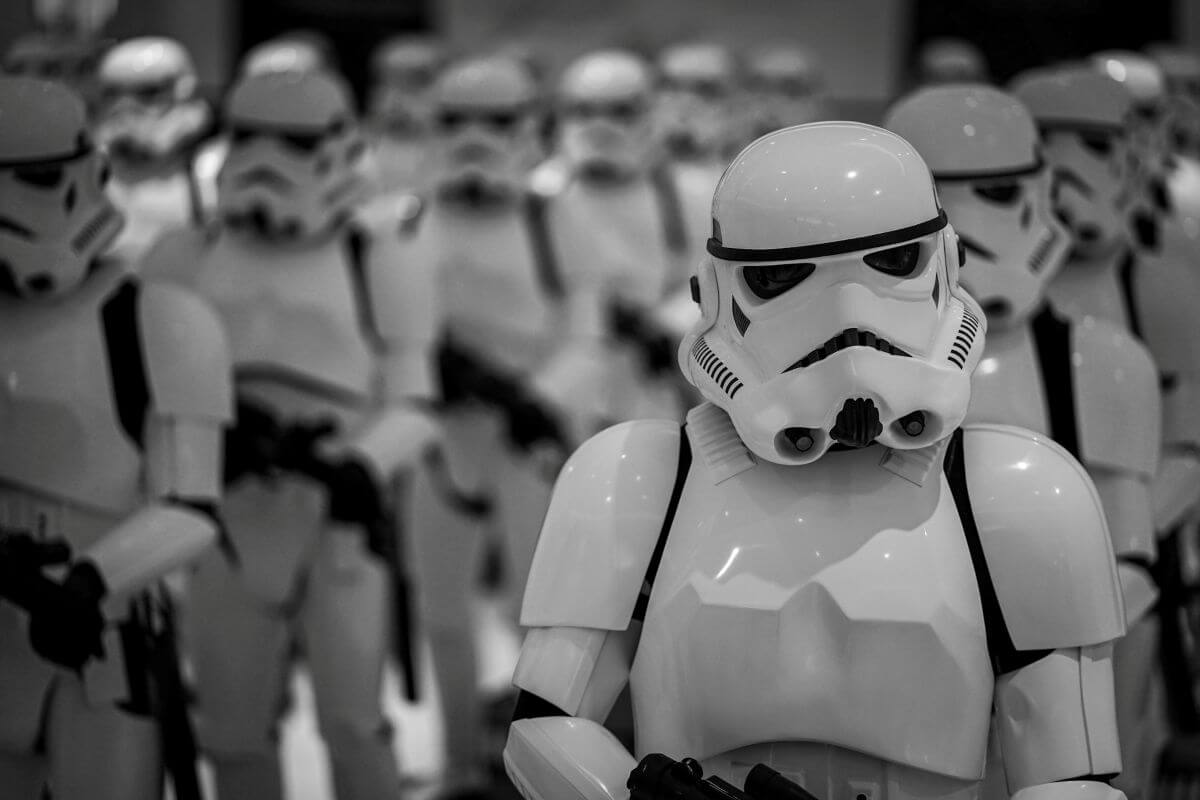
Ever since innovations surrounding special effects on classic films ranging from Star Wars and Space Odyssey to Jurassic Park and Avatar have appeared, filmmakers have deployed an increasingly sophisticated collection of tools to create vast worlds and universes for viewers to immerse themselves in.
Many of us watch films and visit the cinema to indulge in escapism. Visual special effects (or VFX) has the ability to transport audiences into impossible places, enhance narrative emotion while simultaneously provide immersive experiences. It can act as a core storytelling tool to fully engage audiences with the on-screen action.
Filmmakers are no longer limited to what they can build or capture with a camera in real life. VFX instead allows for the creation of fantastical creatures, sprawling futuristic cities, and otherworldly landscapes as part of digital filmmaking. Studying a course like SAE’s Film Production degree will give aspiring directors and filmmakers a grounding in the making of films, including what constitutes effective storytelling, directing, editing and production amid this technology.
Read our blog for more on what VFX can be, how it is created and the ways in which technology continues to open up new opportunities.
Want to join SAE? Then contact our team to learn more about our accelerated two-year degrees.
What are Visual Effects
VFX is described as the process of creating or manipulating imagery outside the context of a live-action shot.
It is a filmmaking technique used to add or enhance elements as part of a scene that would be otherwise impossible to capture on set. This is because it could either be too impractical, dangerous or even beyond the capabilities of current film tech to render in reality.
Often, VFX can take the form of huge dramatic spectacles or vast landscapes, environments we have all witnessed in Hollywood blockbusters such as King Kong or the Terminator movie franchise. It is often used to add or enhance elements that would be too expensive, dangerous, or just impractical to capture.
VFX can also be utilised by directors for more mundane tasks. For example, if crowds need to be created, actors have to be added, the lighting needs to be changed or digital characters featured in real-time footage, then VFX can be an effective tool in making this kind of visual realism happen.
The VFX Pipeline: How Magic Gets Made
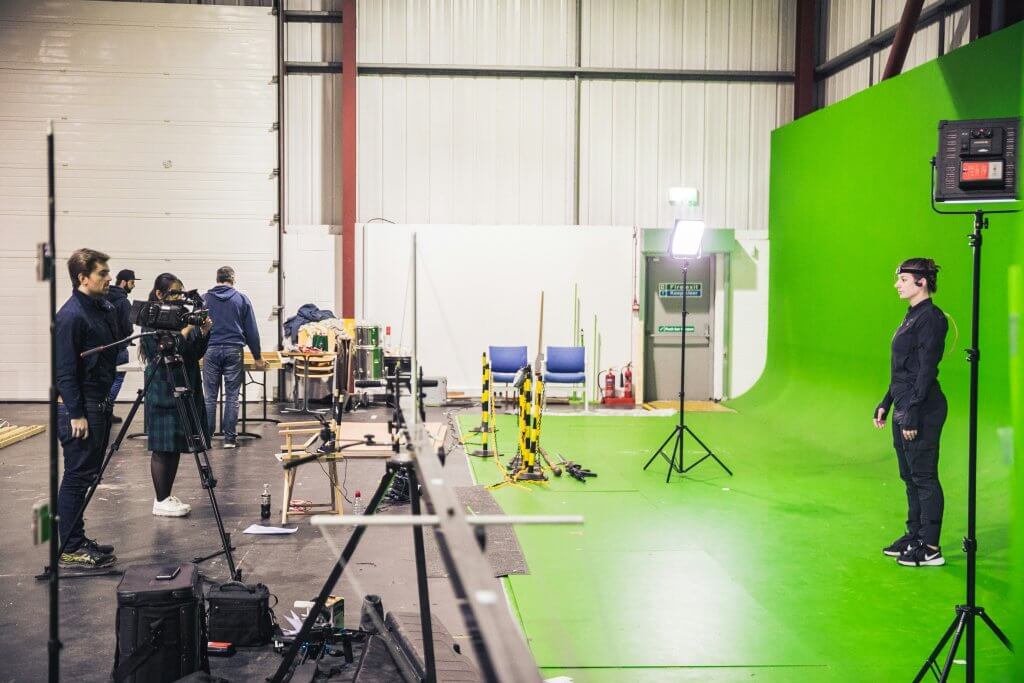
Most of the VFX work happens in post-production through a highly technical sequence of creative steps.
Pre-visualisation
On many projects, VFX artists collaborate with directors to plan out scenes before the cameras start rolling. Ranging from basic hand-drawn storyboards to complex 3D digital animations, this stage enables directors to focus on testing camera angles, narrative pacing and ensure that shots are planned effectively before any work is created.
On-set Supervision
VFX supervisors are on set during filming to ensure footage is captured correctly by placing tracking markers in the right place and lighting green screens. This means that any editors working on VFX in post-production will know where this needs to be positioned within a frame or scene.
Motion Tracking
This is another common technique in post-production where software calculates the exact camera movement used during filming. It means that VFX artists and editors can make digital additions or include computer graphics that perfectly match a live-action shot.
Modelling and Animation
As part of the animation process, artists develop 3D wireframes of characters, environments, or objects such as spaceships or dinosaurs. This ‘mesh’ acts as a skeleton and helps define how something looks before any colours or textures are applied.
Lighting
Lighting has the power to shape storytelling in a film, convey different themes and portray various stages of a protagonist’s journey. Digital elements are given colour, texture, and realistic lighting to blend objects flawlessly with live footage.
Compositing
This is the final part of the VFX process where all separate elements such as camera footage and digital backgrounds are put together layer by layer. The aim for a director or filmmaker is to bring them together to create an authentic and convincing scene or shot.
What are Visual Effects
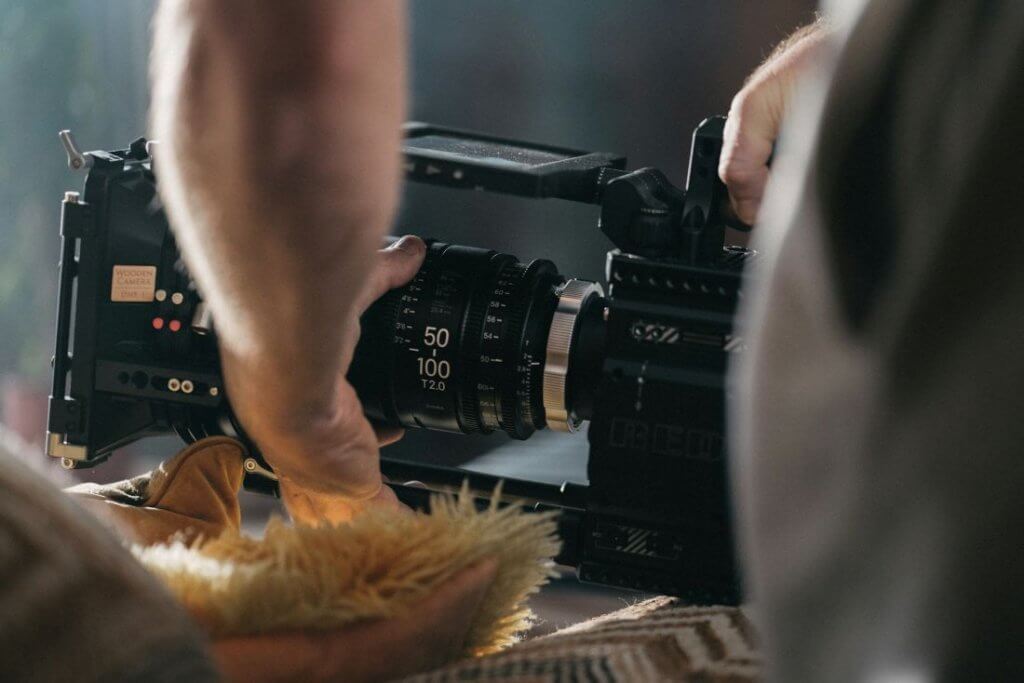
CGI (also known as Computer-Generated Imagery) is associated with VFX and has taken different forms over the years.
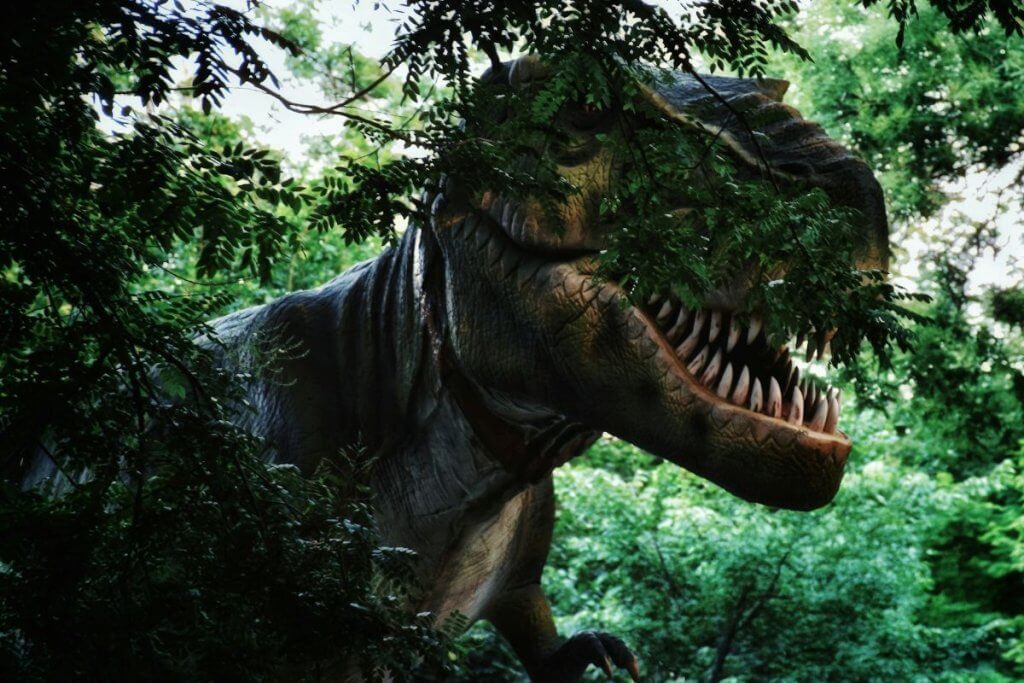
CGI and VFX are often confused but they are not quite the same. The former is the creation of digital imagery from a computer while VFX uses CGI but is more of a broader term to describe the process of manipulating imagery with live footage. The alien world portrayed in James Cameron’s Avatar or the dinosaurs in Jurassic Park are two of the most celebrated CGI examples used in Hollywood.
Green screen compositing is a VFX technique that sees foreground footage layered over a new background. Actors can be filmed in front of a green background in a studio, then this backdrop can be replaced with any different location so characters appear as if they are anywhere in the world.
Creative professionals who are experts in digital matte painting will be able to use platforms like Adobe Photoshop to come up with environments and cinematic worlds that are almost photo-realistic. Actors can be shot in front of a background, then artists can paint a landscape behind them.
Cinematic creativity can also be enhanced by Motion Capture, the process of recording real-life movements using body or facial sensors, then transferring them onto a digital character.
The Impact and Challenges of VFX
VFX can have a significant positive impact on film budgets and production timelines, particularly on films where fantastical locations and scenes need to be created.
For some directors, VFX can represent a balancing act between budgets, the amount of technical expertise required and how many virtual production techniques can be utilised. On big budget films or projects, effects have the potential to open up new opportunities that could be impossible to film otherwise. Choosing to create digital environments can also save investment in locations and set building although this does depend on the complexity of a scene.
Both practical and digital effects have limitations. Practical effects can be constrained by physical limitations and safety concerns, while digital effects can sometimes look unrealistic if poorly drawn.
The Future of Visual Effects
Technology is impacting every area of the creative industries and the world of film is no different.
Innovations including Virtual Reality (VR), Augmented Reality (AR), and real-time rendering are poised to revolutionise filmmaking and how directors create scenes. For example, virtual production in film blends physical and digital filmmaking by using real-time computer graphics to create digital sets. This enables filmmakers to see what a finished background could look like while they are filming rather than wait until the post-production phase.
Artificial Intelligence (AI) also allows filmmakers to embrace new opportunities within the world of VFX and aid the streamlining of processes. Some filmmakers can utilise AI platforms to clean up on set dialogue or clone the voices of actors to add temporary audio to a film’s live action footage.
AI is also being used in rotoscoping where machine learning automatically traces and removes objects from video footage. Instead of drawing outlines by hand on every single frame, an artist can click on a subject and AI creates a moving mask.
Technology can also have a dramatic effect on the kinds of cinematic experiences audiences can now enjoy alongside creativity and the types of stories filmmakers can now tell. The Emmy Award-winning documentary Space Explorers: The ISS Experience features the largest collection of 360-degree, 3D cinematic virtual reality (VR) footage ever filmed in space. Immersive exhibitions can offers viewers the chance to walk through this environment while VR headsets can also enable viewers to watch this at home.
STUDY FILM Production at SAE
If you want to work in film production, get to grips with the latest video editing software and hone your skills in a uniquely collaborative environment, then our Film Production degree could be for you.
With high-end digital cinema cameras and production suites, our facilities and expert tutors are well placed to give your career the best possible start in this fast-paced and dynamic industry.