







Insight
The Future of Interactive Audio in VR, AI and Gaming

With Virtual Reality (VR), Augmented Reality (AR) and Artificial Intelligence (AI) all continuing to radically influence the gaming world, there is an increasing demand for experts with the ability to soundtrack this new wave of immersive experiences.
From advanced spatial sound to tailored and bespoke audio, emerging technologies will define the future of this space. Interactive audio has the potential to vastly change during the next decade, meaning no one can be quite sure what the future holds. What we can predict is that the roles of audio engineers, sound effects and gaming platforms could be radically different to how they are now due to more access to new tech, greater processing power and advanced tools for procedural content generation.
Studying SAE’s Game and Interactive Audio course can be one way of preparing to tackle this constantly moving sector – not only will it give you a core knowledge base in many of the technical audio tools and platforms, but also provide the skills to hone your networks, understand the connections between game audio and game development and adopt a flexible, creative mindset.
Our blog explores what interactive audio is and how it might sound as technologies advance alongside why it is so important for enhancing player engagement in gaming experiences.
If you’re looking to launch a career in these bold and exciting digital worlds and learn how to create authentic player immersion, then contact our team now.
What is Interactive Audio in the Gaming Experience
While visuals often hog the limelight, sound is what gives virtual worlds their emotional weight, spatial realism, and sense of presence.
As VR technology matures, AI accelerates, and gaming continues to push boundaries, audio is evolving.
The next generation of gamers will recognise that the sound of a game is much more than a mere background element. Instead, this is a dynamic, intelligent system that, when working in tandem with the narrative and visuals, can bring virtual experiences to life and respond to players in real time.
There are different examples of what form interactive audio can take. They include:
Adaptive music: In the latest games, the soundtrack can change based on the stage of gaming experience a player has reached. One obvious way this can occur is when energetic, high-tempo sounds appear during combat scenes or when villains arrive.
Dynamic sound effects (SFX): These are sounds that change based on their context. A vehicle’s engine might increase in volume based on speed or the sounds footsteps make can differ between surfaces.
Procedural audio: This is generated during gameplay as opposed to being pre-recorded. It means there can be endless variations of how a game can sound rather than being locked in a repetitive soundtrack.
Spatial/3D Audio: Sounds positioned in 3D spaces are a major element of VR soundscapes and have massive implications for what the future of gaming might be. The meta quest is a popular headset available to players, enabling them to place or locate a certain sound.
Why Game Audio is Important for Player Immersion
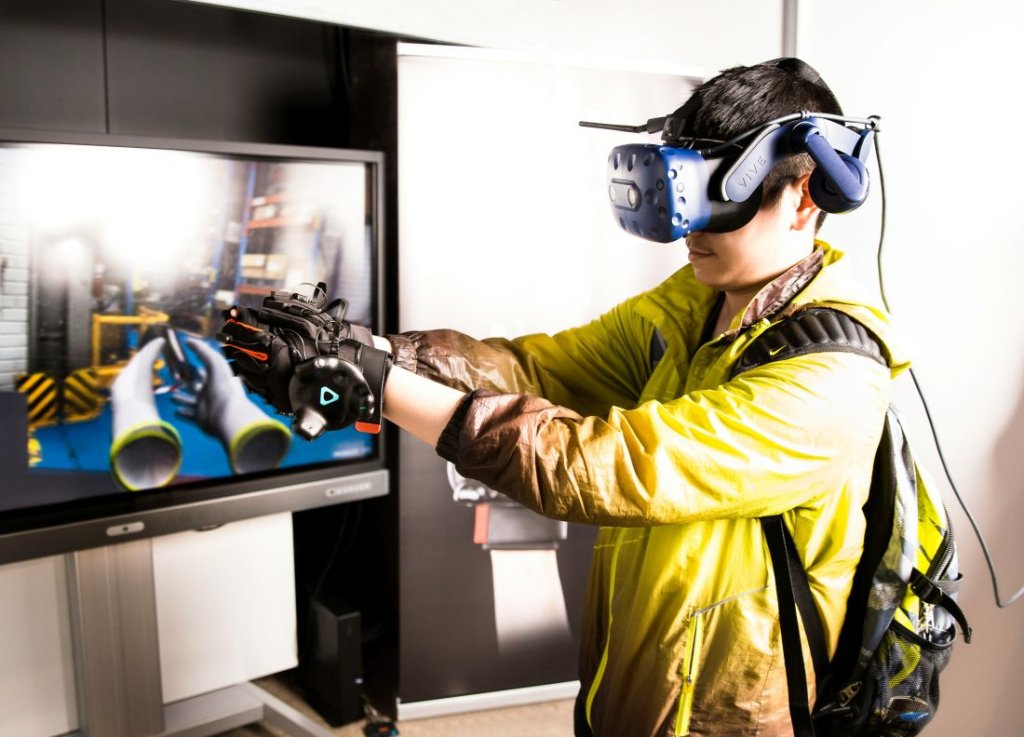
Technology is enabling gamers to enter a new era of video games where more developers are realising the value of a dynamic experience. Interactive audio plays an important role in this by enhancing player behaviour to make virtual worlds feel alive and tangible. The VR headset and VR games are increasingly prevalent in the mainstream gaming world and adaptive music systems are now needed to complement this immersive storytelling. By the end of 2026, the UK market value for VR is expected to reach £1.71bn.
This form of audio is enhancing dynamic soundscapes in games that allows the environment to respond to the player and adds an extra layer of authenticity to their experience. For instance, hearing the sound of a gun failing to fire or the rustle of leaves makes the experience far more immersive than static, non-reactive sound.
Audio can also act as essential, instantaneous feedback for player actions. In combat scenarios, certain sound cues can help players understand the results of their actions without needing to engage with the visuals of a User Interface. Spatial audio can also help players locate their enemies or rewards that can advance their play during stealth games.
What are the Key Trends Shaping Interactive Audio in Game Development

Technology is allowing players the opportunity to go deeper into the world of entertainment than ever before, particularly within games. From sound design surrounding VR experiences to full body vest haptic feedback and motion tracking, there are different innovations at play in the sonic realm.
AI is creating dynamic, real-time sound generation
AI is rapidly reshaping how audio is created, implemented, and experienced. Instead of relying solely on pre‑recorded assets, developers can now generate or modify sound in real time. AI-driven adaptive soundscapes in games use machine learning and procedural audio to trigger sounds in response to the actions of players or even their emotional states.
Gameplay variables can now influence sounds effects while Non-Player Characters (NPCs) can also utilise natural and reactive dialogue. Middleware such as FMOD and Wwise are tools you can study on our degree and can be used alongside AI to implement dynamic sound systems with endless variations and perfect synchronisation with visuals.
AI also analyses player emotion and behaviour, adjusting music and ambient soundscapes to match the game’s tension or the player’s mood. Neural networks will synthesise realistic sounds in the moment to reduce file sizes while increasing audio quality and responsiveness.
Intelligent dialogue in computer controlled characters
Interactive audio is moving beyond pre-recorded voice lines to dynamic, AI-powered conversational agents.
Real-Time Text-to-Speech (TTS) relies on AI to generate spoken dialogue in real-time based on player actions and choices. This enables the game to move beyond the limitations of pre-recorded audio.
Voice cloning is a nascent area of interactive audio which uses AI for NPCs. This enables unique dialogue to be created while also making them seem more realistic and personalised. This dialogue can also be translated into different languages too, to add to a game’s authenticity.
Advanced Spatial Audio in VR
In VR, audio is becoming fully location-based where sound acts as an object in a 3D setting. This can update based on head movement and is becoming increasingly precise as spatial audio grows in sophistication.
Now advanced Head-Related Transfer Functions (HRTF) are becoming standard and used in gaming to offer binaural audio experiences – this is when sounds feels as if it could be located above, below or behind a player to provide a 360 degree gaming audio world. As VR moves toward 6 Degrees of Freedom (6DoF), audio will change as users walk around and interact with objects, enhancing the sense of presence.
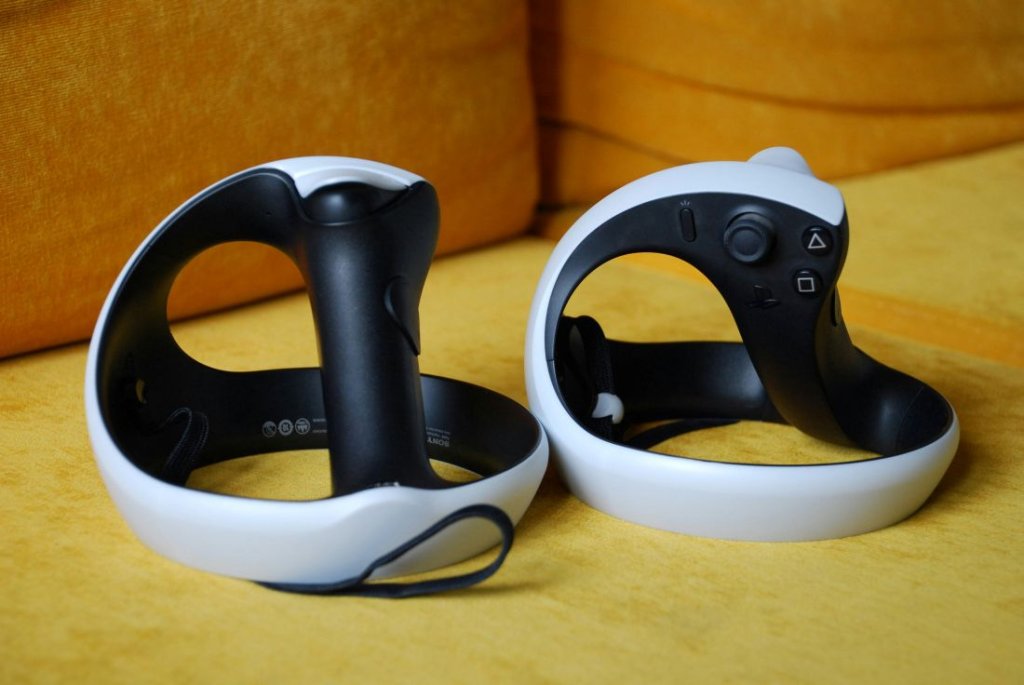
Audio Haptic integration is also increasingly prevalent. By wearing a vest and using hand controllers, users can almost feel the sound, such as a big bang or explosion. Again, the aim of those with creative control of the audio in this landscape is always to deepen the player’s sense of realism.
Over the next few years, the boundaries between users and the virtual world will be further blurred with sound a key component in ensuring that gaming experiences seem realer than ever. From digital concerts to virtual environments and VR hardware, there are still many more exciting advancements to come.
Study game and interactive audio
SAE’s Game and Interactive Audio degree has been developed in collaboration with key players across the creative industries.
Our state-of-the-art facilities and expert tutors are well placed to give your career the best possible start in exciting and creative sector.