

Insight
The Art and Science of Film Lighting

Film lighting is at the heart of cinematography, from illuminating a scene to shaping a story and narrative.
Ever since the early days of cinema through to the golden age of Hollywood and beyond, a well-lit scene can have great dramatic effect. Lighting has seen extensive use by directors across many film types as an effective way of evoking tension, adding depth and creating stark contrasts within a story depending on what a film requires.
The way light hits on a film set and different lighting shapes from neon lights to LED technology can be deployed as a powerful storytelling tool. As a cinematographer, lighting has a crucial role and transformative power in dictating mood, guiding how an audience feels, and shaping a visual narrative.
If you’re looking to understand how to utilise cinematic lighting and come up with a lighting plan for a film, then studying SAE’s Film Production course can be an effective way in. Film lighting courses open up various types of film technology for aspiring filmmakers to get to grips with, from the composition of a shot to how the interplay of different visual elements can reinforce a story with an audience.
Our blog explores how techniques, different approaches and new innovations are shaping the art and science of lighting in film and impacting the audience’s emotional journey. If you’re looking to join our course, then contact our team now.
Why is Lighting in Film Important
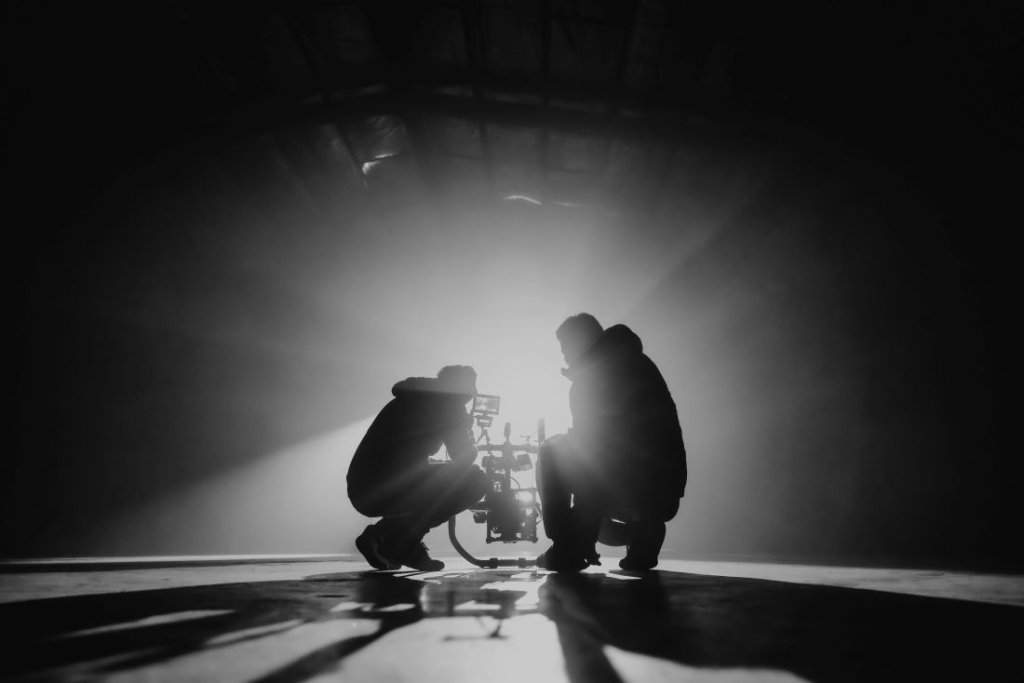
Film lighting can play an important role in establishing the mood or atmosphere of a film.
The colour, intensity and softness of cinematic lighting can go beyond the on-screen action to inform how an audience should feel. For example, in the film noir genre, harsh shadows or angled lighting can portray mystery or tension surrounding a certain character or scene. Traditionally, bright or soft lighting can convey happiness or safety although these conventions are often flipped.
Film is also a two-dimensional medium – but any light emitted can ensure a subject stands out from the background or environment. By playing with light and shadow, the audience can also be guided to the most important elements within a frame, from a character to a specific prop or a menacing shadow in thrillers or horror films. The role of a specific character in a film can also be revealed by the way in which they are lit or are portrayed by a light source – typically, a villain can be cloaked in dark and dramatic shadows while a hero could be lit with soft, glowing lights.
Practical lighting can also communicate the time of day such as golden hour while colour tones as part of environmental lighting can also imply location or climate.
The Science of Lighting Techniques
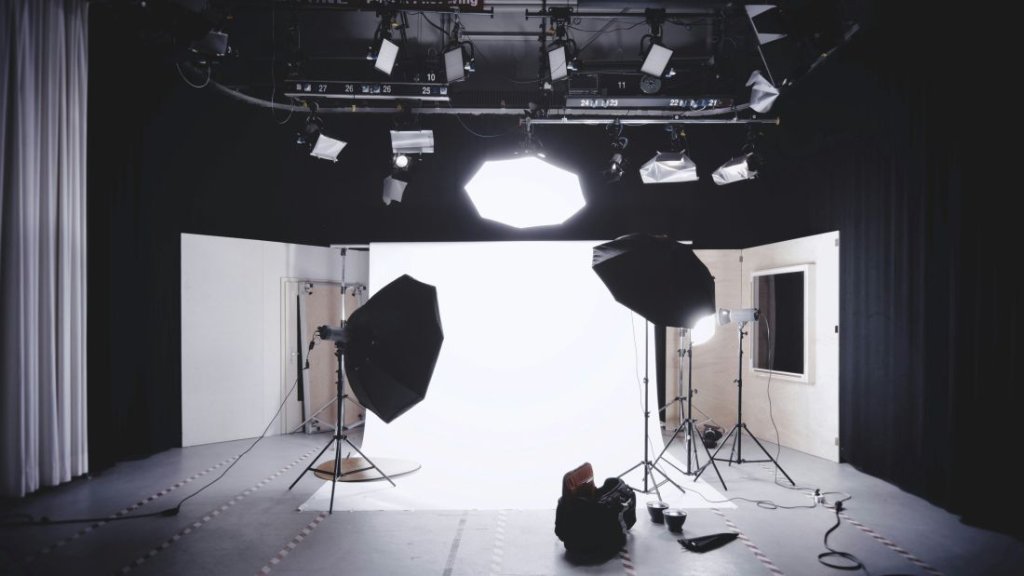
The technical side of cinematography relies on understanding physics and equipment with lighting technicians and directors of photography relying on different practises.
A three-point lighting setup features three lights; a key light (main light), fill light (shadow softening), and backlight (separation) – all are arranged in a triangle around a subject.
Different types of practical lighting can also be used in terms of softness vs hardness. For example, hard light casts sharp, distinct shadows, while soft light can be smoother. The angle of light can also completely change a subject’s appearance, toy with skin tones and enhance close ups. Sidelight builds dramatic contrast and intensity, while front lighting flattens features.
The raw brightness of a light source dictates exposure levels and helps isolate subjects from the background. Equally as important as adding light is removing light in a shot. Bounce boards can absorb ambient light to deepen shadows and establish different densities.
Another part of the process includes the colour temperature. This is measured in Kelvin (K) and determines the psychological feel of a shot. Warmer lights imply safety, while cooler, blue-tinted lights signify tensions.
Cinematic Lighting
Many of the great film directors have been masters of film lighting. Here are some examples from across cinema
Barry Lyndon: This is Stanley Kubrick’s 1975 period piece and was famously photographed almost entirely using natural sunlight and candlelight. By using ultra-fast NASA-developed lenses, Kubrick captured interiors that look exactly like 18th-century classical paintings.
Blade Runner 2049: This 2017 film was heralded as a landmark of sci-fi neo-noir with cinematographer Roger Deakins using dramatic chiaroscuro to provide huge contrasts between light and shade.
Towering neon geometry and highly contrasting colour palettes (like toxic orange wastelands against deep, shadowy interiors) run throughout to build an oppressive, beautiful future world on a larger scale than many cinema-goers had ever experienced before.
Citizen Kane: Directed by Orson Welles with cinematography by Gregg Toland, this classic film revolutionised composition.
It also popularised ‘deep focus’ cinematography. This is where the foreground, midground, and background are all in sharp focus, often shooting from low angles to elevate the dominance of the main character as he towers over every thing else.
Natural Light, Soft Light and The Art of Visual Storytelling
The science provides the tools but creativity of a director dictates how they are used to support the camera and accompanying narrative.
The three-point setup is a classic framework that includes a key light (the main light on the subject), a fill light (to soften shadow contrast), and a backlight (to separate the subject from the background).
Filmmakers use lighting to mirror the environment, making artificial light sources look natural (for example, placing glowing objects like lamps or TV screens in the frame).
High-key lighting is bright, even, and optimistic (used in comedies). Low-key lighting is high-contrast, moody, and full of shadows and can often be seen in thrillers or film noir.
Modern Era and The Tech Revolution
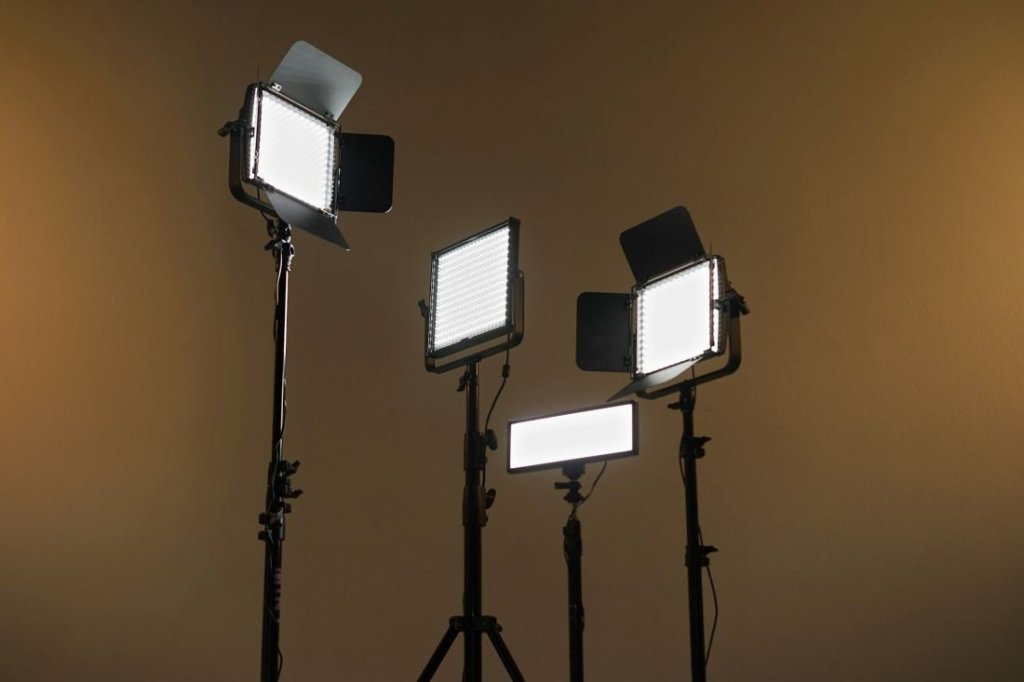
Technology is constantly evolving and lighting in cinema is no different.
A modern lighting setup for a film heavily relies on light emitting diodes (also known as LED technology) and intelligent control systems as a primary source. HMI lights send an electrical current through a mix of mercury vapor and metal halides inside a quartz bulb, creating a bright continuous arc. They are thought to be more energy efficient than traditional tungsten lights.
Other innovations allow crews to instantly change colour palettes using mobile apps or wireless DMX controllers, making complex cinematic lighting faster and more sustainable than ever before. Of course, artificial intelligence (AI) has had a huge impact across the creative industries and cinematic lighting the same.
Often, editors can now use AI to alter the lighting of a scene after it has been shot during the post-production process. AI algorithms have also been utilised on set for real-time lighting calculations too.
STUDY FILM Production at SAE
If you want to work in film production, get to grips with the latest video editing software and hone your skills in a uniquely collaborative environment, then our Film Production degree could be for you.
With high-end digital cinema cameras and production suites, our facilities and expert tutors are well placed to give your career the best possible start in this fast-paced and dynamic industry.