


Insight
Shaping Culture Through Cinema

Film culture and cinema have been able to capture the imagination of audiences worldwide and influence their thoughts, opinions, and approaches to modern life.
Ever since the days of early cinema and silent films, the role of film has gone beyond just entertainment by exploring themes and societal issues of all kinds. While new technologies, new tools and streaming platforms play a crucial role in connecting cinema with audiences, film continues to have a powerful part to play in celebrating history, identity and provide a space for diverse voices to be heard.
From Schindler’s List by Stephen Spielberg to recent Hollywood hit, Barbie, cultural norms, societal values and cultural attitudes can be challenged and pushed by motion pictures. We’ve increasingly seen this on streaming services like Netflix too, with the hit series Adolescence having a profound impact and sparking huge discussions about toxic masculinity, societal norms and what young people are exposed to as they grow up.
Amid this landscape, film industry training such as SAE’s Film Production degree can help you understand today’s film industry, the digital technology employed by film producers alongside the role of cinema in shaping beliefs and platform diverse views.
If you’re looking to study our accelerated degree, then contact our team now – read our blog for more insights into the significant role cinema can play in influencing fashion, challenging cultural boundaries and everyday life.
Early cinema and social issues
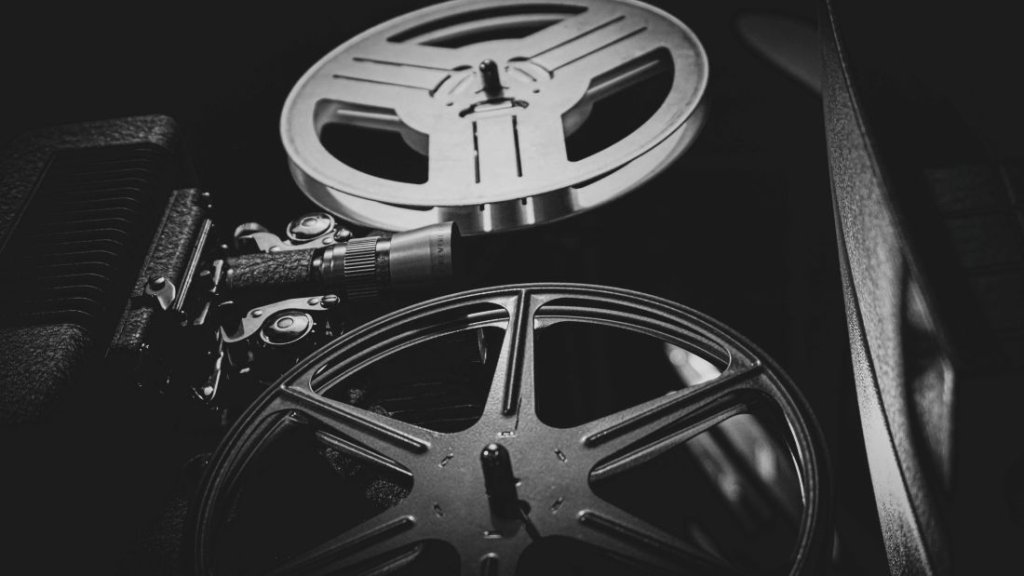
Early cinema shaped culture by revolutionising how society could tell and share visual stories.
The advent of motion pictures helped created the concept of mass entertainment, established global fashion trends within American culture and beyond through the Golden Age of Hollywood films, while also offering a shared, visual language within global markets.
The Lumière brothers (Auguste and Louis) were French inventors and pioneer filmmakers who created the Cinématographe in 1895. This portable, hand-cranked device functioned as a camera in the early days of cinema, helped launch the shared cinema experience and produce some of the world’s first motion pictures.
Although more than 100 years old, silent and only seconds long, these early pieces of work undoubtedly remain influential pieces of cinema.
How film culture reflects society and social change
Cinema can often act as a mirror to society, reflecting the breadth of human experience. From the joys and struggles to the challenges and obstacles of modern life, filmmakers have an incredible opportunity to tell stories and share their vision.
For many directors, producers and writers, cinema is a chance to shape public perception and create stories that resonate with audiences. It can portray diverse cultures, lifestyles, and issues in a bid to promote greater understanding.
The BAFTA winning I Swear has been hailed as a ground-breaking piece of cinema for its depiction of John Davidson, a Scottish campaigner who lives with severe Tourette’s syndrome.
Many films address political and social issues, shedding light on topics such as poverty, discrimination, and inequality. Many movies have helped raise awareness and inspire change by depicting historical injustices.
The American war in Vietnam led to a wave of landmark films in America including Platoon, Full Metal Jacket and Apocalypse Now that decried the conflict and loss of life.
International cinema can also help introduce global audiences to different cultures, fostering a sense of unity and offering viewers a chance to understand worlds beyond their own.
Director Bong Joon-ho’s Parasite became the first non-English film in history to win Best Picture at the Academy Awards in 2020, depicting capitalist cultural norms.
The role of cinema and cultural norms
Of course, many of us watch films to immerse ourselves in a great story but cinema can also be used to reflect many cultural issues and act as an engine for change.
Films have often played a pivotal role in driving social change by spotlighting the civil rights movement and LGBTQ+ rights, respectively, contributing to their advancement. An Inconvenient Truth (2006) mobilised global climate awareness while Philadelphia (1993) gave a human face to the AIDS crisis.
Iconic characters like Indiana Jones and Wonder Woman have become cultural symbols, inspiring audiences with their bravery, resilience, and moral values. Historically, film has often reinforced gender inequality and stereotypes but in more contemporary film, these narratives have been deconstructed.
Barbie from director Greta Gerwig explores patriarchy through Margot Robbie’s depiction of the title character and her relationship with Ken (played by Ryan Gosling). It cleverly subverts ‘traditional values’ surrounding gender through its a satirical lens.
Hidden Figures from 2016 highlights the untold true story of three Black female mathematicians who broke both racial and patriarchal barriers at NASA.
How cinema can inspire change
There are many significant examples of films inspiring change or at least giving audiences pause for reflection on issues of representation or the way in which wider society views certain challenges.
Environmental awareness is a well-told tale with many directors using climate change as a vehicle for piercing cinematic storytelling. Don’t Look Up, starring Jennifer Lawrence and Leonardo De Caprio, tells the story of two astronomers attempting to warn humanity about an approaching comet that will destroy human civilisation.
The film satirises the ongoing indifference to the threat posed by climate change by many celebrities alongside corporate and political entities.
Disney’s Inside Out was celebrated for the way in which it changed how viewers see their emotions. Through the characters, the story demonstrates how feelings such as sadness, anger, and anxiety are as valid and necessary as a constantly upbeat and positive outlook. The film received multiple awards for its depiction of an 11 year old girl and the activity within her head.
STUDY FILM Production at SAE
If you want to work in film production, get to grips with the latest video editing software and hone your skills in a uniquely collaborative environment, then our Film Production degree could be for you.
With high-end digital cinema cameras and production suites, our facilities and expert tutors are well placed to give your career the best possible start in this fast-paced and dynamic industry.