










Insight
Screenwriting: Crafting the Blueprint of Cinema
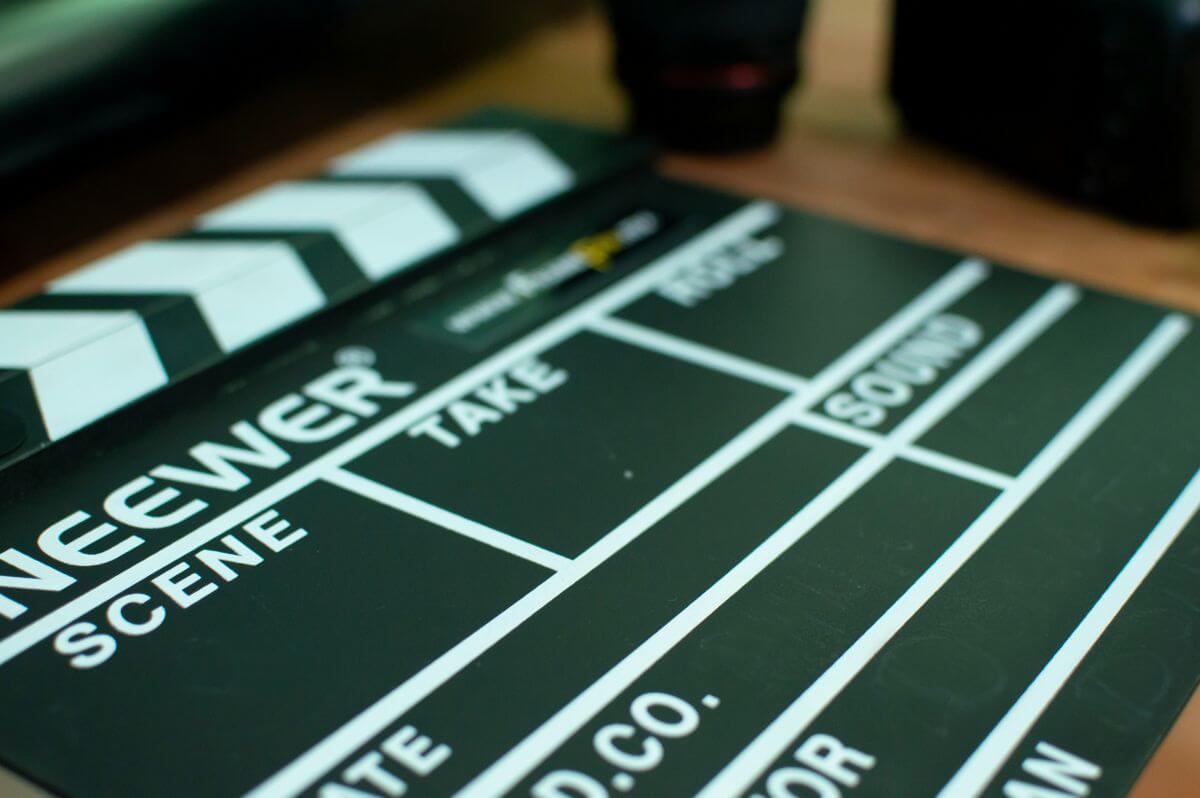
The visual medium of film is enhanced by the skills and words of screenwriters – and there’s more ingredients to this than just coming up with clever dialogue.
As a screenwriter, you have the power to mould the emotional tone of a story, to shape its themes and work as part of a wider production team on how it looks and feels. Without the writers, a story could potentially fall flat and there are some essentials that anyone wanting to launch a career in this area of cinema need to understand – from developing characters to building the structure of a story and controlling its pace, screenwriters can decide what happens when and why.
A course like SAE’s Film Production degree can be an effective way into the world of screenwriting, to gain an understanding of plot, dialogue, emotion, how these elements work together alongside how they make sense to an audience. For anyone interested in the importance of crafting strong narratives for picture, then screenwriting courses can provide aspiring writers with a knowledge of storytelling, genre and how movies and art have the potential to deeply connect with viewers so they stay invested in a story.
Get in contact with the SAE team to learn about our degree and read our blog for insights into how narrative structure and character development can be as crucial to a film as its cinematography.
How studying can forge a Collaborative mindset within the Visual Medium of Screenwriting
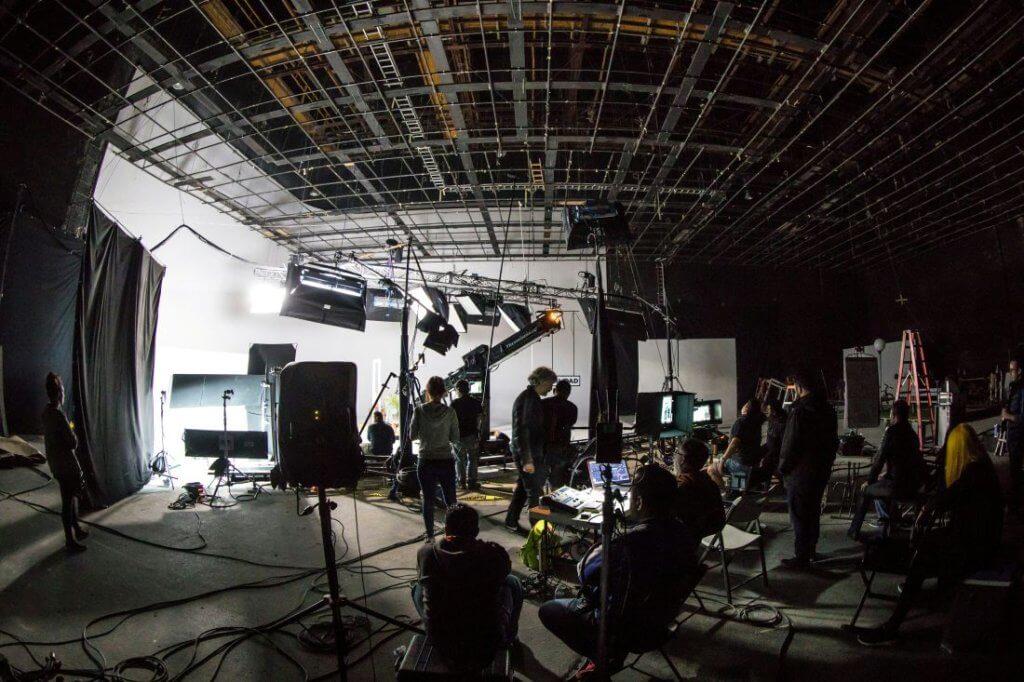
The process of writing a script or screenplay can be very collaborative. Even on a small budget, a film will often feature directors, producers and actors who will all have some thoughts and feedback on a script.
Part of the creative process for screenwriters focusses on ensuring you can deliver your vision as a writer while also managing any possible conflicts or issues with the wider team.
On SAE’s Film Production course, students have the chance to hone their skills and understanding of film in a collaborative setting. You’ll experience the entire production workflow involved in making a film – from story development and script writing, pre-production planning and storyboarding, to filming and editing and, finally, marketing and distribution. Working with peers and the wider SAE community via ongoing collaborations will be also be a key part of your studies.
Visual Storytelling and Narrative Structure
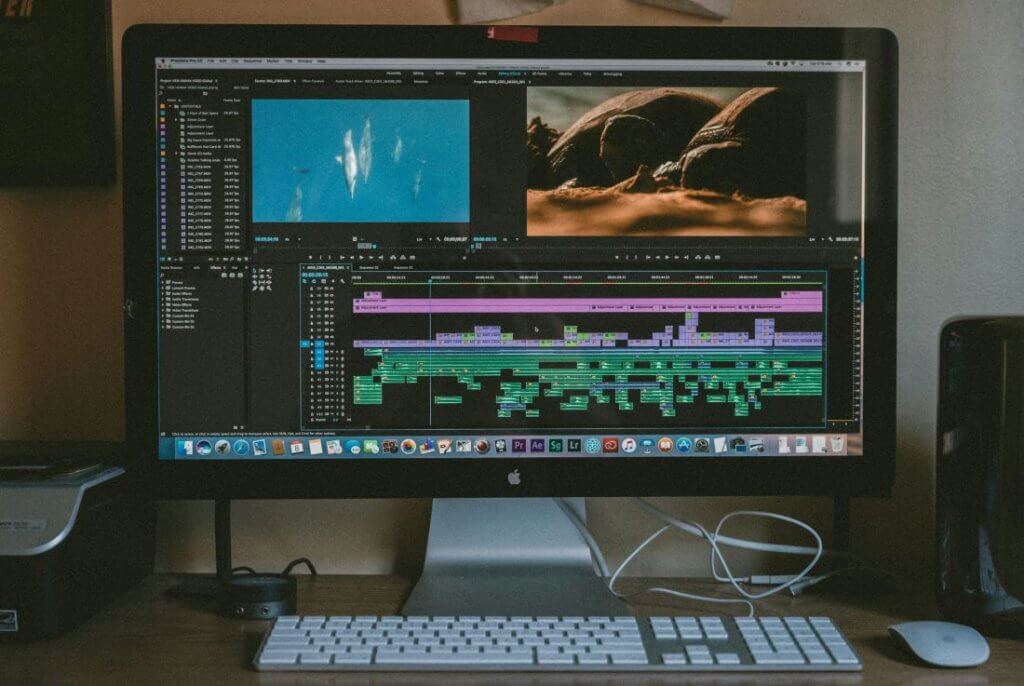
A screenwriter’s job usually starts off with an idea, whether that is one of their own or a concept from a director.
As with idea-generation, the writing process can be solitary or collaborative, depending on the type of film or story being told. No matter what format it takes, there are certain ingredients that will feed into the screenwriter’s work and their contribution to a project.
An Idea: At the heart of the screenplay will be a hook, a central theme or message that the film is looking to convey in a bid to elicit emotion from viewers. This could surround a character with a mission or a unique situation that they need to overcome. Today’s audiences are bombarded with content and for a screenwriter’s words to matter, the story needs to engage from the beginning.
Structure: Once you have a story, how will you arrange the sequence of events that forms the body of your film? Working this out is crucial to how you structure your narrative and let your audience into the world you have created. Many traditional stories are split across three acts; an initial depiction of the setting, a climax and resolution. But there are various ways that this can be implemented and subverted to ensure there are emotional highs and lows.
Show a story: Many screenwriters adhere to the maxim of showing rather than telling – this usually involves leaning into the environment surrounding characters, a subtext or other imagery to enhance a story. It’s part of the screenwriter’s job to realise that not every element of a film needs to be spelled out or spoken.
Characters and Dialogue: Memorable characters with unforgettable lines will often drive a story. If they are well-drawn, then audiences should develop empathy and find themselves able to relate to the themes a screenwriter is looking to evolve via a script. Any dialogue or internal thoughts need to be considered and sound natural – not only will this enhance a character’s depth and nuance but also help advance a plot.
Don’t Fear the Edit: Many scripts will go through multiple drafts, versions and re-writes and is a process that is essential to the final version of a film. Many big Hollywood hits that have made huge amounts of money at the box office including Jaws and the original Toy Story are known to have had constant revisions from their first draft.
What is important is being able to write, then rewrite a screenplay and develop resilience in the face of ideas being reworked, changed or challenged.
The Challenges and Opportunities of Screenwriting

From directing to writing, the creative process can be one that throws up numerous challenges.
Some projects may never get off the ground or source funding. Sometimes, writers can go through creative blocks where they are left waiting for inspiration to hit. On other occasions, multiple re-edits can leave the process of finishing a script feel laborious and unfulfilling.
At the same time, there is great power in the art of filmmaking and a well-written script can be the difference between success and failure. As the famous director Alfred Hitchcock once said: “To make a great film you need three things – the script, the script and the script.”
One of the most important tools in a writer’s skillset is coming up with a convincing story. If done well, then you will have the chance to entertain, educate and challenge different ways of thinking too.
Essential Advice for Aspiring Screenwriters

Are you looking to develop your skills as a screenwriter? Alongside taking our course, here are some more essentials you can follow to evolve your approach for creating ideas for the screen.
Study the Greats: It can be hard to write engaging screenplays without immersing yourself in the world of film and whatever genre or style you want to approach. Analyse your favourite series or films to explore how directors and writers tackle dialogue and structure as studying other screenplays should provide insights on what to do.
Spend time with your Characters: The stronger the characters, the more engaging a piece of film. The best way for screenwriters to come up with rich and nuanced characters is by investing time in them and getting to know their motivations, ambitions and why they act as they do. Putting yourself in their shoes will hopefully lead to more insights and greater empathy for viewers.
Form a Daily Writing Habit: As with so many different skills, your ability to write well with improve as you practise. Try and give yourself space in your daily schedule to devote to write and embrace your creativity; doing so will ensure you can elevate your abilities.
Collaborate and Get Feedback: From perfecting dialogue in a certain scene to giving life to your characters, writers often need to work with others to gain feedback and additional perspectives on what they have come up with. Share your scripts with peers or participants in writing groups to help you tap into your imagination and spot any flaws in your script. Good luck!
STUDY FILM Production at SAE
If you want to work in film production, get to grips with the latest video editing software and hone your skills in a uniquely collaborative environment, then our Film Production degree could be for you.
With high-end digital cinema cameras and production suites, our facilities and expert tutors are well placed to give your career the best possible start in this fast-paced and dynamic industry.