


Insight
Real-Time Audio Programming: Skills That Get You Hired
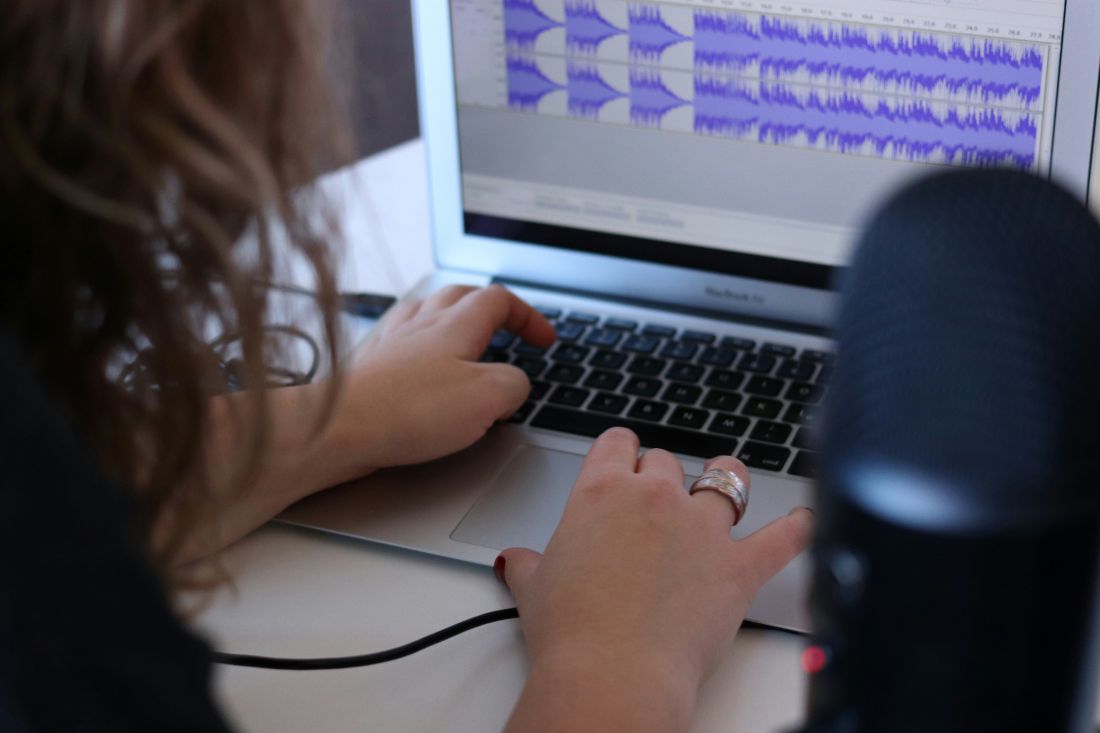
Real-time audio programming is a specialised field sitting at the intersection of high-performance software engineering, digital signal processing (DSP) and audio art within today’s games industry.
Audio editing, software development and video game engines are all elements in this mix and sit across these different fields of expertise.
They can be highly competitive areas of work with professionals familiar with programming languages and new technology much in demand from companies developing Digital Audio Workstations (DAWs), virtual instruments, plugins, and interactive game audio systems.
If you have a passion for understanding audio code, sound effects and audio implementation in different real-time applications, then you could have the potential to be a good audio programmer, audio director or work for game companies producing music.
Studying SAE’s Game and Interactive Audio course can be an effective way of entering the industry if you want to pursue these audio-related or technology opportunities. Our blog will explore game audio skills, what is required of aspiring audio engineers and what a career with an audio team in this exciting sector could look like. Interested in joining our course? Contact our team now!
What is real-time audio programming
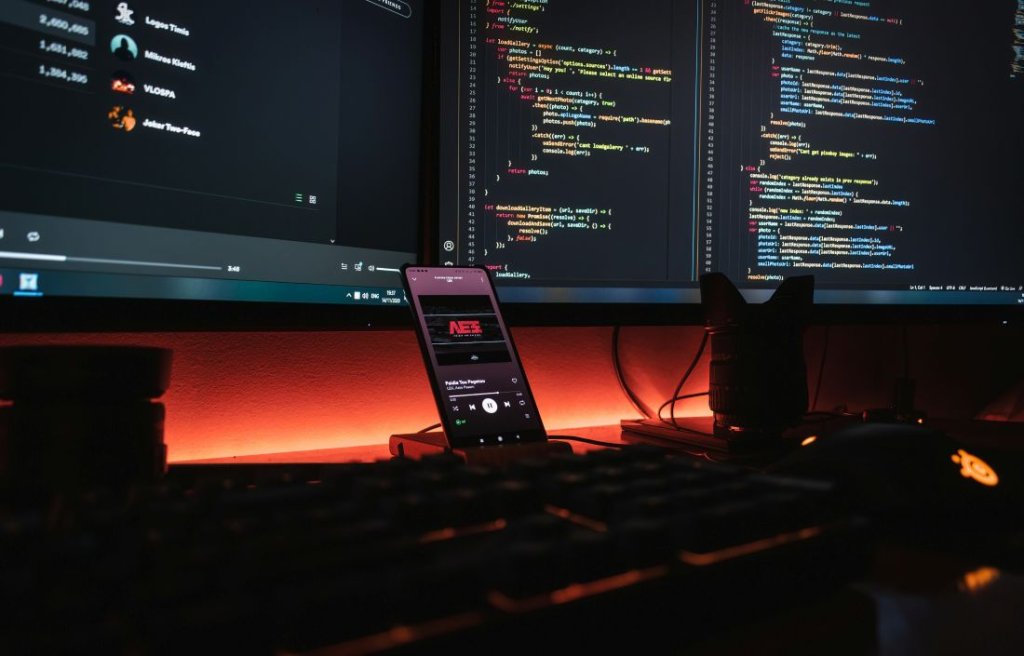
Real-time audio programming is the development of software that processes or generates audio signals instantly rather than in advance.
It demands strict, low-latency performance to ensure computation completes within milliseconds to prevent audio glitches and is essential for a range of musical and visual applications. This includes audio effects, audio plugins, DAWs, DJ tools, game audio and other forms of interactive media.
Any code used in real-time audio needs to execute within a strict time frame to avoid any disruption to the user experience. Other key factors include avoiding standard mutex locks in an audio callback thread, as this can lead to unpredictable delays. Memory also needs to be pre-allocated and dynamic memory also needs to be avoided wherever possible.
Why is real-time audio important as an audio programmer
The importance of real-time audio varies between applications but is a priority for game companies and other developers looking to provide interactive experiences within the games industry.
If you are working on an immersive game experience, then the sound design must align with the visual world to ensure the player’s world seems as authentic as possible. If the sound does not react instantly to game play, then this will be disruptive, deliver inconsistent performance and likely frustrate a gamer.
Key skills for computer audio and sound design
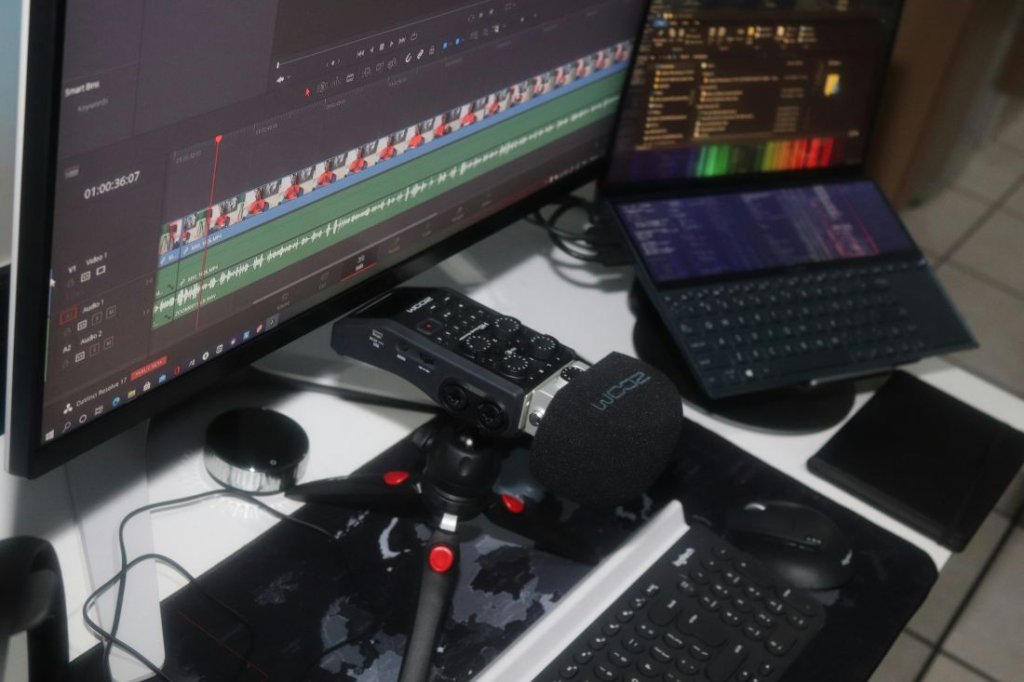
Here are the key skills, tools, and experiences that game audio job postings might ask for.
If you can demonstrate these abilities alongside your ideas and problem-solving skills, then you can stand out from other gaming audio professionals and potentially get hired in this field.
core Technical Programming Skills
C++ (Modern & Performant) is the industry standard for real-time audio. You must go beyond the basics to understand memory management, thread synchronisation, and lock-free programming.
A knowledge of DSP to accompany this will also be attractive to would-be employers – so understanding audio algorithms – filtering (IIR/FIR), modulation, delay, convolution, and physical modelling.
An understanding of how to write code that runs efficiently without ‘glitches’ or audio dropouts is another core skill while familiarity with programming languages such as JavaScript or Python can also be found within job listings.
Audio Frameworks & APIs
Audio frameworks are important to understand as they empower developers to create cross-platform plugins and apps.
JUCE is the most popular framework for creating cross-platform audio applications and plugins (VST/AU/AAX). A working knowledge of industry standard tools such as audio middleware including Wwise or FMOD is often valuable too.
Other roles might ask for an understanding of platform APIs and experience with CoreAudio (macOS/iOS), ASIO (Windows), or ALSA (Linux).
Audio-Specific Hard Skills
If you have audio-specific real-time audio programming tools in your skillset, then these abilities can help you secure roles.
Audio plugin development can be key so having a portfolio demonstrating VST/AU/AAX plugins created from scratch is great for securing opportunities. Experience with Kontakt scripting (KSP) or similar sampler engines and an ability to create intuitive, responsive user interfaces for audio software are also essential.
A strong math background (linear algebra, calculus) for understanding signal processing can help too, although you don’t always need a PhD-level of ability to start.
Portfolio & Experience
Employers rarely hire entry-level audio programmers without a portfolio so compiling your work and using this as a shop window to your skills is essential.
To start with, you can build a GitHub repo with projects like a custom synthesiser, reverb plugin, or a VST that uses MIDI.
You can also contribute to open source projects like JUCE or open-source synthesizer repositories (e.g., Surge).
At SAE, we also provide students with the opportunity to participate in game jams. These events can help aspiring professionals demonstrate how they would work as part of a wider team, collaborate with others and implement sound across different projects.
Soft Skills & Specialised Roles
Alongside the technical know-how and skills, it’s also important for audio programmers to be effective at communication. Professionals in these roles often act as a bridge between sound designers (artists) and core game engine developers while they will also need the flexibility to tread the tightrope between technical coding and sonics.
You might also need to be able to hear minute differences between analogue hardware and digital emulations – so having an ability to listen both attentively and technically will help. Good luck!
Study game and interactive audio
SAE’s Game and Interactive Audio degree has been developed in collaboration with key players across the creative industries.
Our state-of-the-art facilities and expert tutors are well placed to give your career the best possible start in exciting and creative sector.