







Insight
Film as a Medium for Social Change

Ever since the early days of cinema, film has been a powerful platform for telling stories that engage with societal questions and trends to mainstream audiences.
From animal welfare and political issues to climate change or the future of planet earth, many filmmakers use their art to either educate, offer different kinds of perspectives or interrogate how communities operate.
The films we consume have the power to change how we engage with the world around us. When great entertainment meets well-executed social impact initiatives – from Vietnam war epics including Platoon or Taxi Driver to the social realism of films by British director Ken Loach – a film can bring overdue conversations into the public discourse, and even inspire effective activism.
If you’re looking to gain an understanding of how visual storytelling works and the power of cinema, then undertaking film and media studies such as SAE’s Film Production degree can be a great way in. Our film production workshops, classes and lectures can help students understand cinema’s potential for capturing mood and conveying stories alongside learning the skills to succeed in this competitive sector.
Read our blog for more insights into the potential for film narratives to change lives and define the trending issues of our times. If you’re looking to join our course, then contact our team now.
The power of film to push for political change
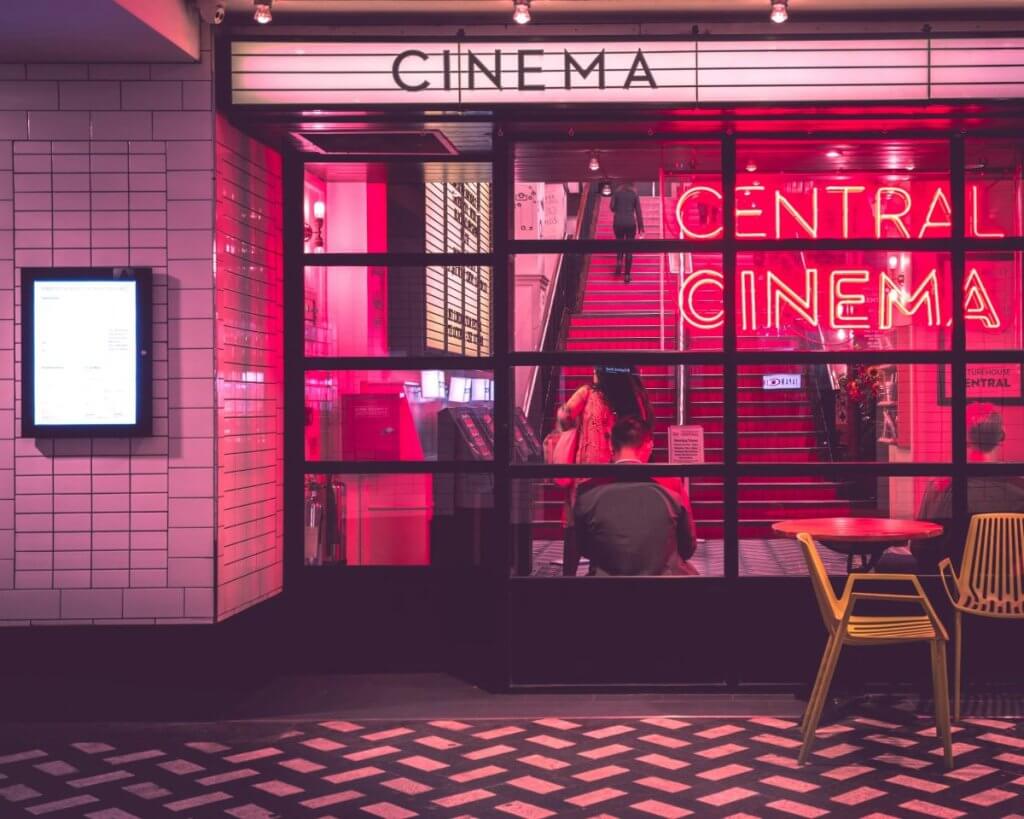
Why is film and art such a potent platform for exploring the issues, challenges and opportunities of the day?
From the editing of stories to footage and music, directors are able to able to engage with issues and communicate information, quickly, often subtly and to a wide audience.
Hollywood has huge global reach, is big business and retains its allure. Over the course of its history, directors have delved into issues from war, societal differences, poverty, climate activism and more.
Cinema can break down any supposed barriers to cultivate empathy, challenge preconceptions, and expose societal injustices. By putting a human face to abstract issues, movies have the power to press public opinion and inspire viewers to take tangible action.
For example, during the Second World War, the US government commissioned Frank Capra’s Why We Fight series as a way of encouraging public support for World War II. In contemporary times, mainstream Hollywood releases like Philadelphia have broken taboos and drastically changed public attitudes toward queer communities.
Now with media democratised by sophisticated consumer technology and accessible filmmaking tools, many of us have the power to document the environment around us and tell our own stories.
How does film provoke social impact

The movie business has the potential to offer viewers education and entertainment surrounding issues that can sometimes be tough to talk about.
Directors can do this in different ways. By putting audiences directly in the shoes of a character impacted by social issues, film shrinks the space between opposing groups and can create greater empathy.
This means that a concept or question can become more personal via particular characters, whether addressing issues surrounding climate change, class or immigration.
Documentaries and social dramas often translate abstract theories into vivid, memorable human experiences. For example, the Matthew McConaughey-starring Dallas Buyer Club shone a light on the distribution of life-saving medicine and drugs. The award-winning Nomadland depicts the lives of an older generation of Americans moving around the country after being displaced by the economic collapse of the 2000s.
These beautifully executed films bring sometimes ignored conversations into public discourse.
Films also have the power to celebrate the richness of diversity and different voices, perspectives and stories. In a world increasingly connected yet seemingly permanently polarised, these events unite audiences in celebration of our shared humanity.
Social change and mainstream audiences
Powerful films don’t just inform; they can also inspire action.
In this way, producers can bridge the gap between screening and activism and can often lead to direct impact, whether it be in the form of bonding communities or even propelling campaigns or petitions.
Here are some examples of films that have broken through stereotypes, set the bar for new conversations, disciplines and more.
Brokeback Mountain (2005)
The Oscar-winning drama stars Jake Gyllenhaal and Heath Ledger and tells the complex love story of two sheep herders in 1960s Wyoming.
While there is a rich and culturally significant history of LGBTQ+ American cinema dating back many decades, Brokeback Mountain was one of the first films portraying a gay relationship to receive a high level of mainstream attention from both audiences and the media.
An Inconvenient Truth (2006)
Former presidential candidate Al Gore is at the centre of this film and its portrayal of the climate crisis.
He holds this film together as, in front of an audience and with few aids beyond photo slides, he explains how humans have made a mess of our planet. Gore issues an urgent warning on what must be done, and done quickly, to save the earth. 20 years later, this is still pertinent and important.
Parasite (2020)
The struggling Kim family sees an opportunity when the son starts working for the wealthy Park family.
Soon, all of them find a way to work within the same household and start living a parasitic life as part of this critique of disparity and capitalism.
Directed by Bong Joon-ho, the film uses the title metaphor to question whether it is the impoverished family feeding off the wealthy, or the wealthy who are truly parasitic, relying entirely on the work of the lower class to survive. It ended up winning four Academy Awards, including Best Picture.
STUDY FILM Production at SAE
If you want to work in film production, get to grips with the latest video editing software and hone your skills in a uniquely collaborative environment, then our Film Production degree could be for you.
With high-end digital cinema cameras and production suites, our facilities and expert tutors are well placed to give your career the best possible start in this fast-paced and dynamic industry.