
Insight
Production Design: Creating Cinematic Worlds

Alongside lighting and special effects, production design is a key element in the filmmaking process.
The visual environment created can have a huge impact on the way audiences feel about the action on-screen. When the production design is well-crafted, it can play a crucial role in emphasising many themes and ideas to deliver a director’s vision.
Not only is this ingredient responsible for creating the look and feel of the film’s world, but production designers will be responsible for working with other professionals, including set designers and cinematographers, to ensure that the cinematic reality feels authentic and believable.
Studying a degree like SAE’s Film Production course can be an effective route into the world of production design. Different media production courses will provide students with an array of skills, from camera work to directing and editing. This way, a degree can arm students with the know-how to take advantage of opportunities within cinema to build worlds and feed into a wider narrative. If a film’s visual information is aligned to a story, then production designers will have done their job.
Read our blog for more on the role of production design within the film industry, some of the essential skills required to work in this space and how it can shape the final production. Interested in joining an SAE course? Then contact our team to learn more about our degree.
What is great production design
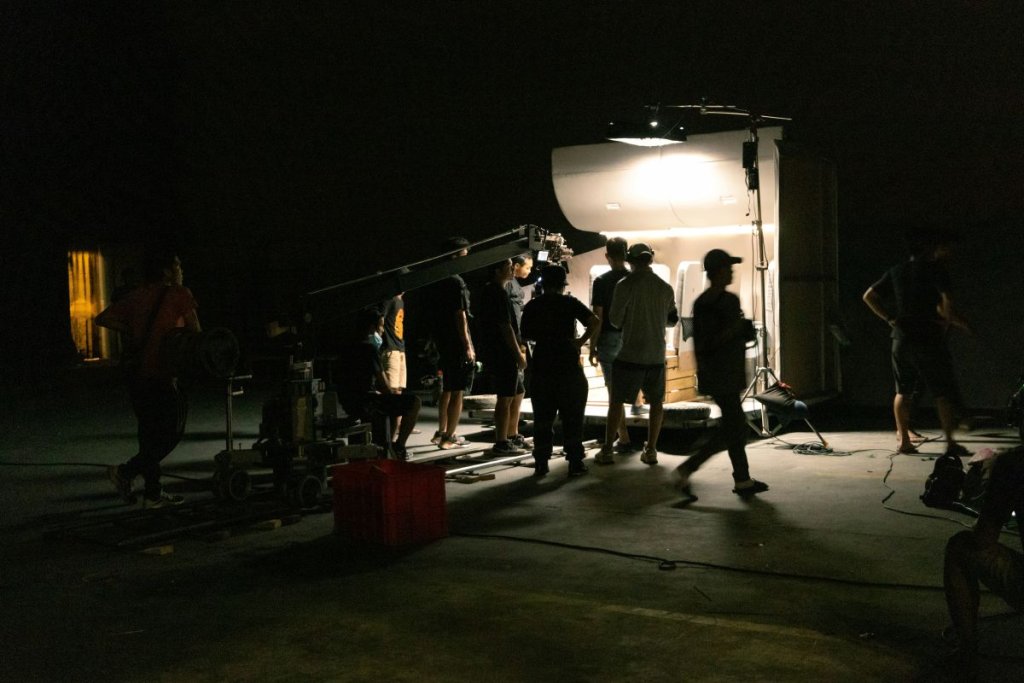
Production designers build the a movie’s universe by overseeing sets, locations, props, colours, art direction and other visual elements.
They translate the director’s script into a tangible, immersive visual language that establishes mood, tone, and historical accuracy. Production designers will often work closely with others crew members on planning shots, building sets, VFX design and more to ensure that these elements are aligned.
Some of the most important parts of the production design process locate the on-screen action within a believable world. If done well, then a good movie’s production design will help captivate audiences and keep them immersed in their cinematic experience.
The Process of World-Building
Every cinematic world begins with a deep analysis of the screenplay and close collaboration with the director and cinematographer. The art department team led by an art director will often be responsible for synthesising character backgrounds, historical eras, and genre elements into a cohesive aesthetic.
There are different stages involved in this part of a film production process.
Research
The starting point for a film will be research around a script to work out the kind of tone, era and emotional atmosphere that the director wants to bring to life. From historical pieces to sci-fi movies, there will usually be some time needed to ensure that the world the film is located within is authentic.
Conceptual Art and Sketches
This phase brings the script to life through concept art, mood boards, and matte paintings. Designers will sketch ideas and come up with documents to define the specific visual concept of film.
Set Construction and Physical Sets
The next element involves building the physical environments with production designers coordinating skilled carpenters and set decorators. Whether it’s the interior design of a 1970s-style front room to an otherworldly space scene, set design is an important part of a film’s development.
Location Scouting
Many productions utilise real-world locations during their production. A film’s production designer will work closely with a location manager to find spaces that fit the aesthetic or can be heavily modified during post-production. By adding rich, real-world textures after the film has been shot, then this can make a significant saving on budget.
Virtual Production
Technology has opened up new possibilities for directors including the opportunity to bring together physical sets and digital worlds. From green screens to LED volumes, expansive, fantastical environments can be brought to life that would be impossible to build in the real world.
The Elements of Cinematic Design
A well-designed world uses environmental storytelling to speak directly to the viewer without dialogue and designers manipulate several core elements to achieve this. Often, a production designer’s job combines art, architecture, and narrative to immerse audiences in the story and they will need to be an effective communicator too working with props and art teams.
Production designers will often work in close collaboration with a cinematographer on a film’s colour and lighting. Many of these elements play an essential part in telling the story, often reflecting the emotional state of a character or underlining the narrative’s themes. Additional light sources such as lamps or neon signs are added to a film to enhance mood and atmosphere.
LA Confidential from 1997 has been recognised as a neo-noir classic with Jeannine Oppewall behind the stunning production design. Lighting is used to echo the traits of a noir film while also being updated to give the corrupt Los Angeles a more contemporary feel.
Alongside lighting, production designers have the chance to experiment with the architectural landscape of a piece of film. For example, a dystopian science fiction film may feature brutalist buildings whereas a film meant to be for children may have bold, often exaggerated shapes paired with bright colours such as in the Toy Story franchise.
The use of props is also another way production designers can help define the reality when creating a film. Whether it be the home of a character or the kind of car they drive, every object can help tell the story and underpin the production design. Christopher Nolan’s latest opus, The Odyssey, is a mythic action located in Ancient Greece.
How It Shapes the Film Production
Production design speaks to the audience without a word of dialogue, giving vital clues about characters and the film’s environment.
A director will be looking to connect a character to an audience and their backstory can be conveyed by the visuals of a frame or what props are featured. The space a character is in the first time we meet a protagonist can tell an audience much about them, whether this is through the decor or way they are dressed.
Colour palettes, lighting, and textures guide the emotional experience and film’s atmosphere. A dark, cold, and sparsely dressed set evokes completely different emotions than a warm, cluttered, and sunlit space.
Production design ensures that a film’s disparate filming locations and sets all feel like they belong to the same universe too.
STUDY FILM Production at SAE
If you want to work in film production, get to grips with the latest video editing software and hone your skills in a uniquely collaborative environment, then our Film Production degree could be for you.
With high-end digital cinema cameras and production suites, our facilities and expert tutors are well placed to give your career the best possible start in this fast-paced and dynamic industry.