


Insight
Sound Design: The Unsung Hero of Film
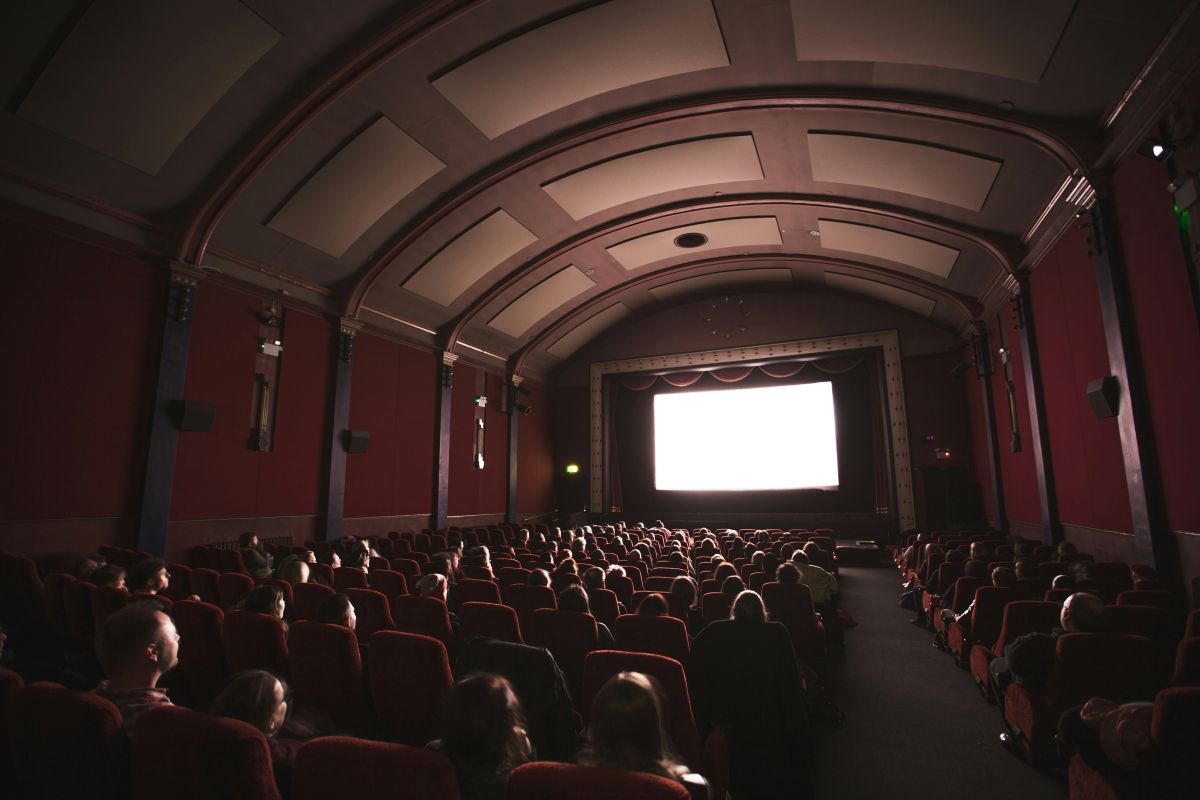
Motion pictures are often praised for their visual impact with the story and how a film looks often taking centre stage.
However, sound design in a film can be just as integral in bringing the various essential elements of a great film together, creating a convincing cinematic world and delivering a director’s vision.
Designed sound is an essential part of film editing, helping filmmakers create tension, establish an immersive environment, tone or atmosphere, often without audience members even realising how hard it’s working. Research also shows how audiences engage more with visual content when it is paired with a suitable soundtrack.
If you are looking to understand the different elements that go into the sound of a film, SAE’s Film Production course can be an effective way in. On film sound design courses, students explore the basics of what makes for high quality sound alongside gaining experience of directing, camera, lighting, editing and production too.
Our blog will explore sound design, the key audio elements involved in recording and sound technology alongside what the future of sonic film production could look like. Interested in studying a course? Contact our team now.
What is Sound Design in Film
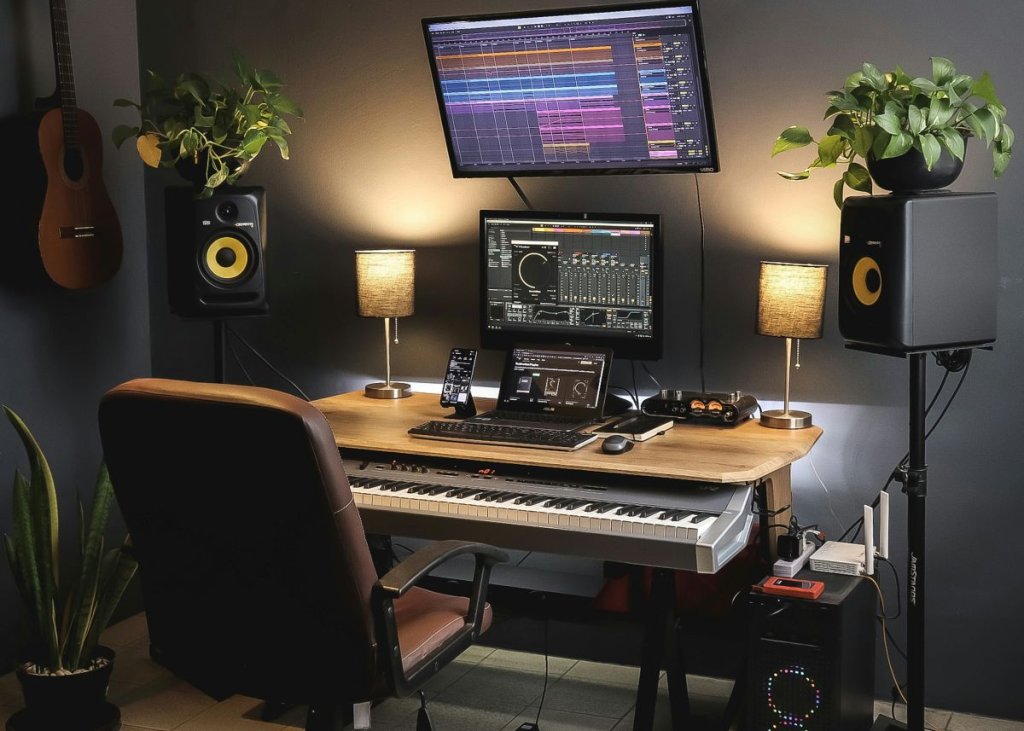
Sound design in film is the art and craft of creating, selecting, and manipulating audio to construct a movie’s sonic landscape.
It works alongside the visuals to heighten mood, drive emotion, create a sense of realism, and pull audiences deeper into the story. There are different processes behind sound design including being able to use recording equipment, create sounds and understand audio editing processes to put this together.
It also features a range of sounds, from music to dialogue, sound effects and more.
What are the key ingredients in great sound design
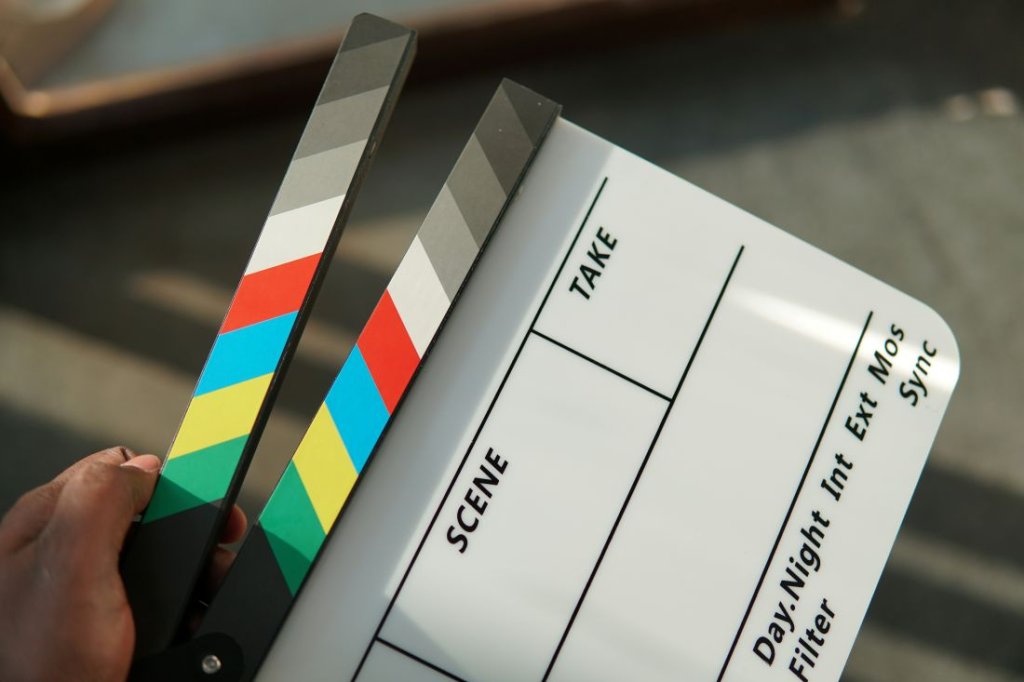
From the opening scene of a film to its closing credits, a sound designer will be responsible for every thing viewers can hear. The majority of these sounds are the below:
- Dialogue: These are the spoken words of characters or narrators.
- Sound Effects (SFX) or foley: Specific, localised noises including explosions, the sounds of cars, footsteps and other elements.
- Ambiance: This is the subtle background noise of a location. For example, it could be the buzz of a bar or pub, wind on a beach or animals making noise in a forest or wood.
- Score: This is the soundtrack of a piece of film. Directors will often work closely with film composers to come up with musical cues that underline a narrative or story.
How Sound design can be used to tell a story
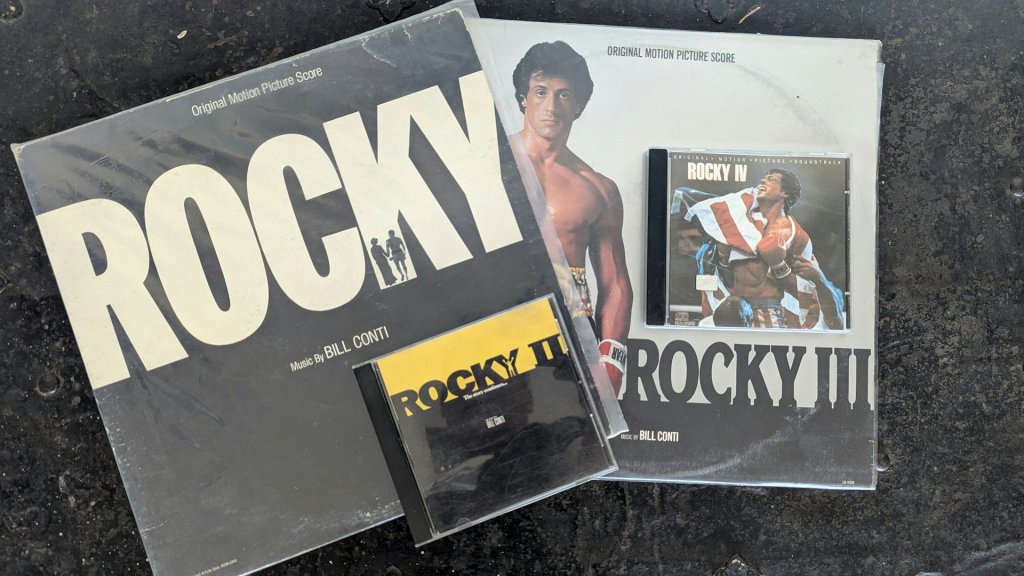
Sound design is often referred to as the hidden half of a film and is an essential art form when it comes to telling effective visual stories.
If the soundtrack and accompanying audio of a production are well-made, then they will play an important role in keeping viewers immersed in a story, enhancing how they emotionally engage with a piece of cinema alongside enabling an effective narrative tempo and rhythm.
Establishes Emotion and Mood
The audio of a film can impact the emotional mindset of an audience.
Specific sounds and musical cues can be used to bring about feelings of tension, relief or joy. Most famously, the screeching violin in Alfred Hitchcock’s 1960 thriller Psycho is one of cinema’s most iconic sound effects. Composed by Bernard Herrmann, the chilling noise mimics a human shriek and is famously played during the terrifying shower scene.
While this example is the soundtrack to a violent scene, some sounds can be used to make audiences feel unsettled before anything threatening appears.
Enhances Storytelling Without Dialogue
Sound design acts as a powerful non-verbal language to convey moods and atmosphere.
Filmmakers can use the audio to establish the setting of a space or themes of a particular scene. It can also be utilised to convey a character’s mental state too or reference some other aspect of their personality or dilemma that they have found themselves in.
Controls the Story’s Rhythm
How can the sounds influence the rhythm of a film? Through the editing of music or sound effects, a director can control the pace of the action. For example, the sound of a clock ticking is a well-used practice when building suspense. A ‘dead track’ in film refers to the complete absence of sound in a soundtrack, which can be used to create a specific emotional or dramatic effect.
Creates Immersion in a Story
Sound can be used by creative filmmakers to convey depth to what is fundamentally a flat two-dimensional medium.
By matching audio to the action in an authentic way, filmmakers can enhance audience engagement, placing them deeper within the on-screen action. For example, the sound of footsteps from a character walking across a room can ground the scene.
Directs Attention
Directors have the ability to use the sound of a film to push an audience to engage with certain parts of a narrative. Off-screen sound effects – like a distant dog barking or a whispered voice – can hint at what is happening outside the camera frame or build anticipation for an incoming scene.
Digital sound, sound effects and the role of the sound designer
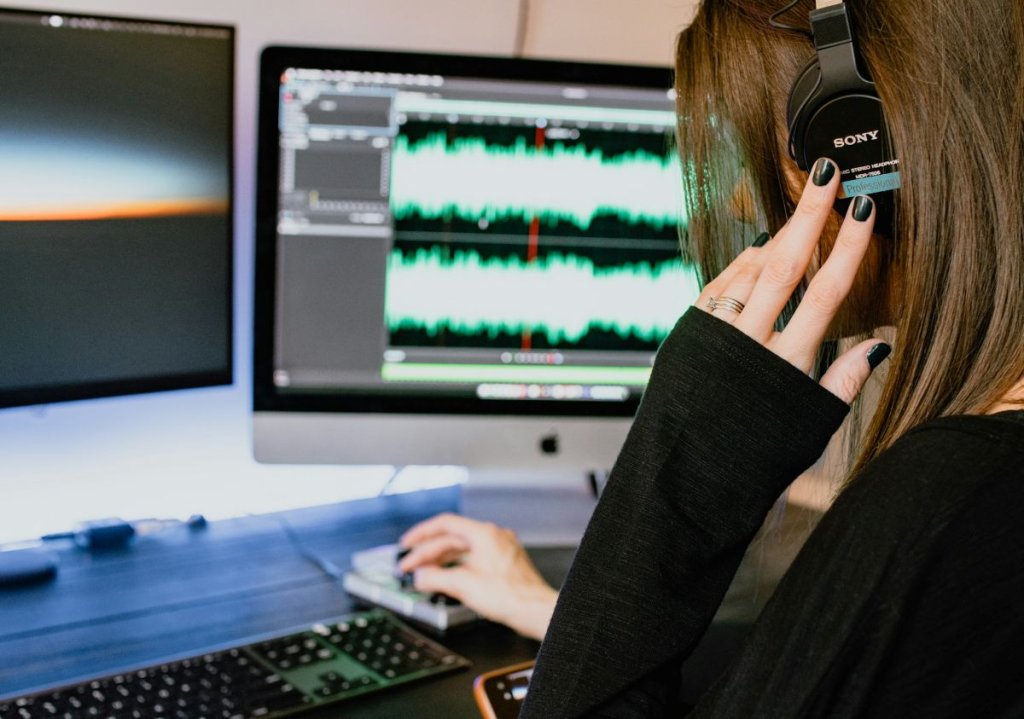
What is the best way to approach sound design?
There are some essentials that can really help when trying to stand out as a sound designer.
In 2026, there’s a huge amount of sample packs and digital sound effects with Splice now embedded into DAWs like Ableton. Even though this access has democratised the music production process, one way of standing out is to come up with your own samples and record your own effects utilising whatever you can get your hands on. By doing so you develop a unique approach and exciting workflow.
Emotive storytelling is also more important than getting a high quality sound when making motion pictures. Remember, if a realistic sound (like a ticking clock) distracts from a highly emotional monologue, remove or fade it out. You can use reverberation, room tones, and atmospheric sound beds to dictate the location and tone of a scene long before you show the visuals.
The temptation to include too many sounds can also be overwhelming. Instead, it is the job of the sound designer to avoid filling every second with sound as part of the creative process. Leaving moments sparse or completely silent creates massive contrasts, drawing the audience in. Then when sound does reappear, the impact can be much more powerful.
STUDY FILM Production at SAE
If you want to work in film production, get to grips with the latest video editing software and hone your skills in a uniquely collaborative environment, then our Film Production degree could be for you.
With high-end digital cinema cameras and production suites, our facilities and expert tutors are well placed to give your career the best possible start in this fast-paced and dynamic industry.