Insight
The Future of Music Consumption and Distribution
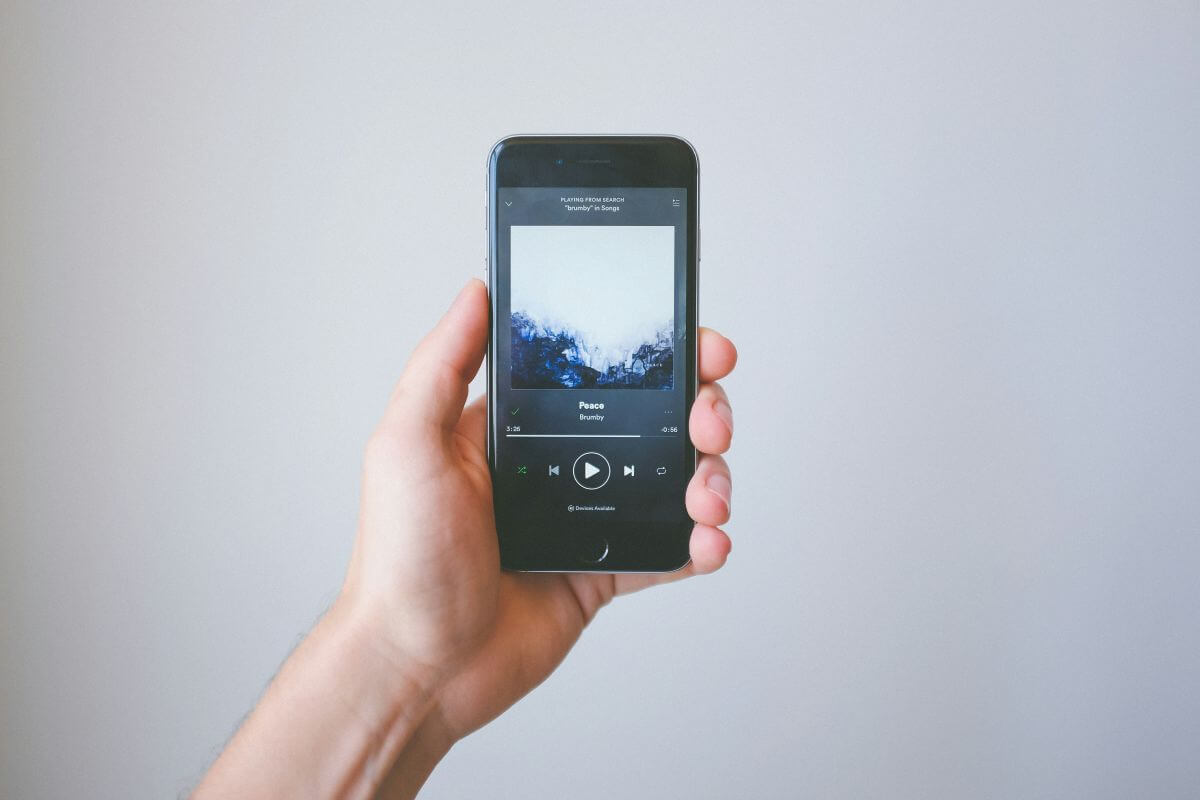
The advent of the digital age has seen numerous music industry shifts with technology a powerful driver of change including influencing the way music is shared and heard.
From the arrival of streaming services such as Apple Music, Spotify or YouTube Music to the way we now utilise personalised playlists for music discovery, music consumption and distribution seems to be in a constant state of flux.
For today’s bands and musicians, there are now a different set of challenges to overcome when looking to find an audience and create a sustainable career from music.
What does the future of music consumption and distribution look like amid a landscape of Artificial Intelligence (AI), social media and increasingly global networks?
Studying a music business degree like SAE’s course will give aspiring professionals a solid grounding in many of the key areas of the industry subject to these changes. You can contact our team to learn about our degree – and explore our blog for more on the ongoing shifts in music distribution, how companies and artists need to adapt and the ways in which the popularity of subscription services has led to radical changes in the way music is heard and shared.
What is Music Consumption
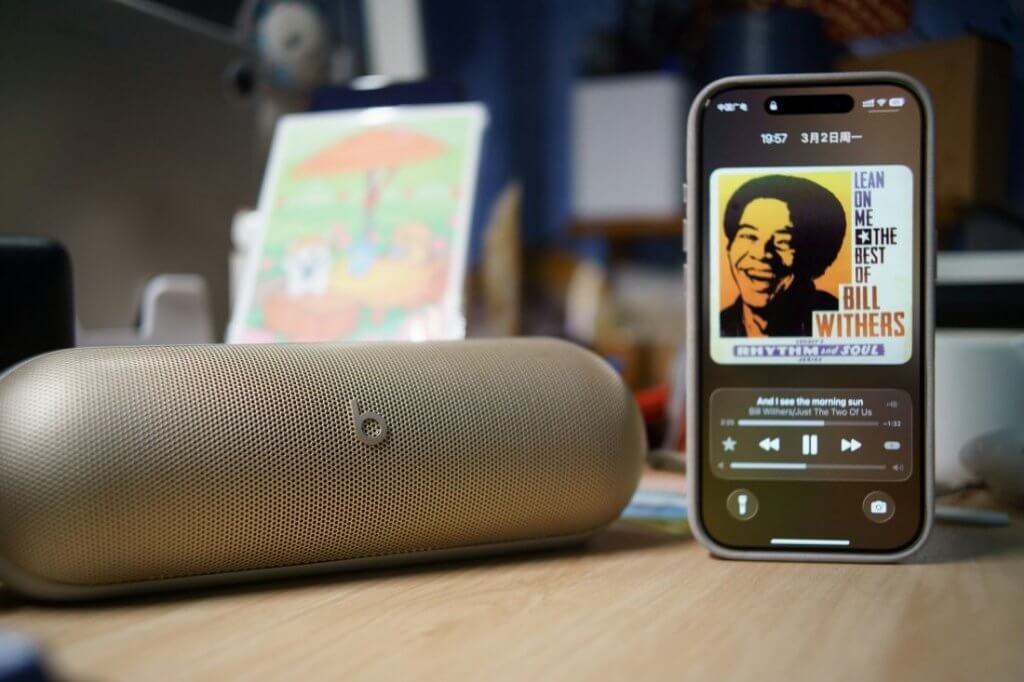
This is a catch-all term related to the way audiences experience music within the digital landscape.
Before, most music lovers would listen to tracks by their favourite bands or acts on a device or even via downloads on a platform like iTunes – but now they can engage with their songs utilising various forms of media due to ongoing innovations in the online space. From physical formats such as the compact disc or vinyl records (which are still popular with different generations of music fans) to streaming platforms alongside social media channels too, there are many ways artists can interact with music fans and build an audience.
According to the BPI, the music streaming market saw another record rise in 2025 with revenue up by 4.6 percent to £1.07bn, having smashed through the £1bn threshold the previous year. Subscription revenue continues to account for the vast majority of UK streaming, accounting for 84.7 percent of the market.
Of course, the evolution of the industry landscape means listeners can access music of all kinds on their handheld devices, including older releases. Among emerging trends is the enduring popularity of this so-called ‘catalogue music’. The latest BPI research revealed that four of 2025’s five top streaming artists – Dua Lipa, Arctic Monkeys, Coldplay and Calvin Harris – all had albums released during a previous year.
What is Music Distribution
How does recorded music from record labels or artists make it to a listener?
This is where music distribution plays a key role, with distribution channels ensuring that music reaches digital platforms alongside physical outlets.
Distributors act as intermediaries, and can be an essential conduit for independent artists looking to ensure their music makes it to the major streaming services. Companies like Ditto Music provide the necessary technical, legal, and royalty-collecting services that allow indie acts to share their music and track any sales data too while also collecting earnings on their behalf.
Many distributors also provide additional tools for pitching to playlists, managing copyright, and marketing on social media. This one-stop service makes it more convenient than ever for creators to stay ahead and in control of their music alongside their marketing campaigns.
What are the Emerging Trends Shaping the Future of Music Industry Distribution and Consumption
The internet has created multiple challenges alongside opportunities for many artists when it comes to getting their music heard, from those focusing on a DIY path to acts on major labels.
There are various ways in which their audio can reach music consumers and different, evolving trends to deal with. Here are some of the major shifts:
Interactive fandom
With social media a two-way street, music consumption is changing, with listening also including active participation. Many artists now invite their TikTok followers to express their love for a piece of music or track via creative videos, reactions, POVs, reviews, duets and interpretations. This can be done deliberately but older tracks can also go viral without any artist input.
M’s Pop Muzik was originally released at the end of the seventies but enjoyed a new lease of life on the platform in 2025 with dancers sharing their own reinterpretations of the track.
Independent Distribution
Many artists are now looking to independent distribution services to look after their music and ensure it reaches audiences rather than seeking to work with record labels.
Ditto Music is reported to have now surpassed 2 million subscribers while Distrokid, although reportedly seeking a sale, is now potentially valued at $2bn.
The path of independence is increasingly attractive in a landscape where various industry groups, including the Musicians Union, are calling on fairer pay outs from streaming for composers, creatives and songwriters.
Direct-to-fan distribution models
Creating a community around a band or artist is now a key goal for many music marketeers and digital tools enable acts to get closer to their audience than ever before. Platforms such as Patreon, Substack (if you want to host a newsletter) and Bandcamp are helping create alternative revenue streams outside of the bigger streaming subscription services.
According to Bandcamp, an average of 82 percent of the money goes to the artist or their label – typically within 48 hours of a purchase being made. Fans have paid artists and their labels $1.71bn (£1.31bn) using Bandcamp.
AI personalisation and distribution
Streaming 2.0 is a term coined by the Universal Music Group and aimed at moving streaming platforms away from their focus on subscriber growth to instead maximising revenue from each individual user.
In recent times, it’s hard to avoid AI in music industry discourse and this will feature heavily integrated AI, with machine learning used to create hyper-personalised playlists and “active” music experiences specifically tailored. On the flip side, AI is also being used within A&R scouting and becoming standard for distribution, allowing artists to automate marketing and find new fans.
Short-Form Content and Viral hits
We’re all spending more time on our phones – in the UK, adults are believed to have reached an average of three hours and 21 minutes per day on their mobile devices – and the industry is responding in real time. Algorithms are driving consumption towards shorter, viral chorus snippets, impacting how music is composed, often prioritising immediate engagement for platforms like TikTok and Instagram Reels.
There are negatives and positives to this thirst for attention-grabbing content but it does mean it can be crucial for artists to get a handle on this to survive and thrive in this new digital landscape.
Study Music Business at SAE
Studying our leading Music Business course will give you a comprehensive education in labels, publishing, management, touring, distribution, and live events.
You will have the opportunity to collaborate with an exciting student body to record your artists, film music videos and begin to plan your own career in one of the world’s most exciting industries.