
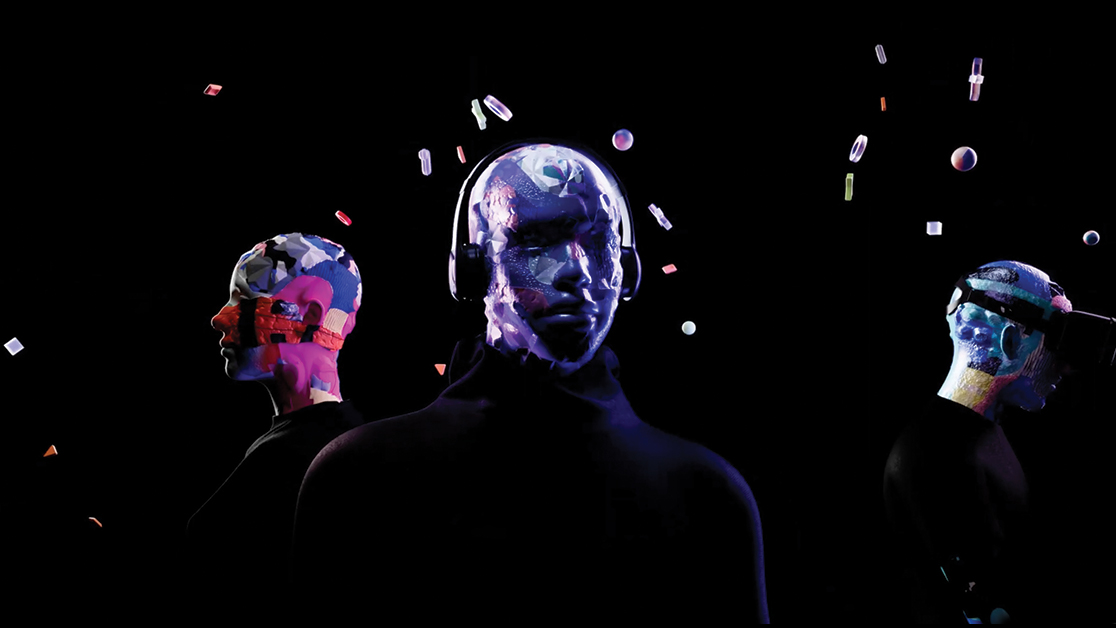
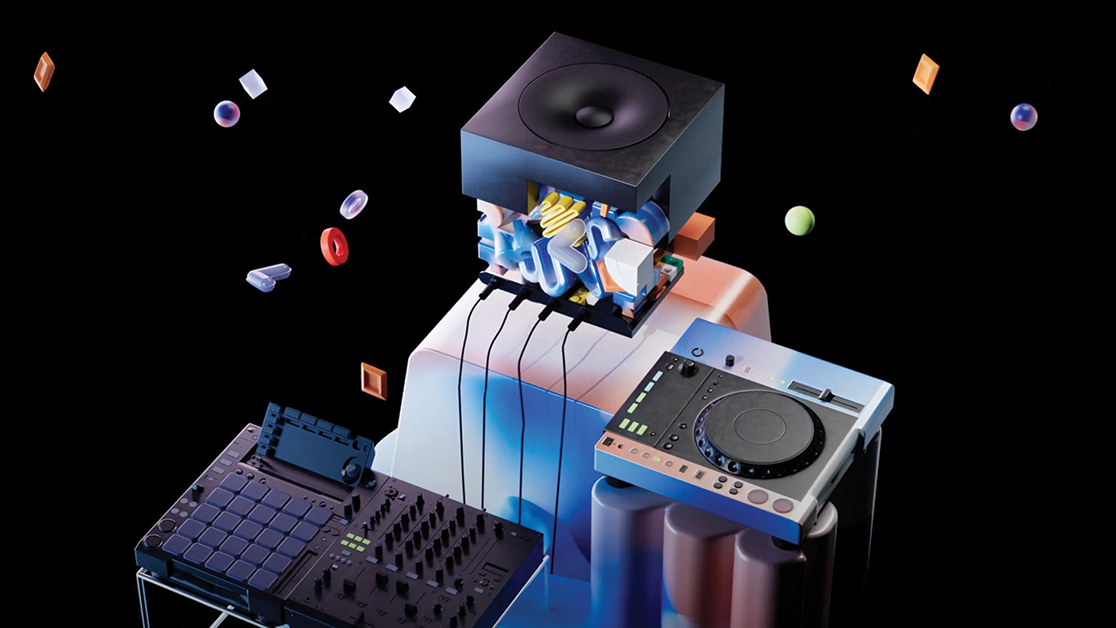
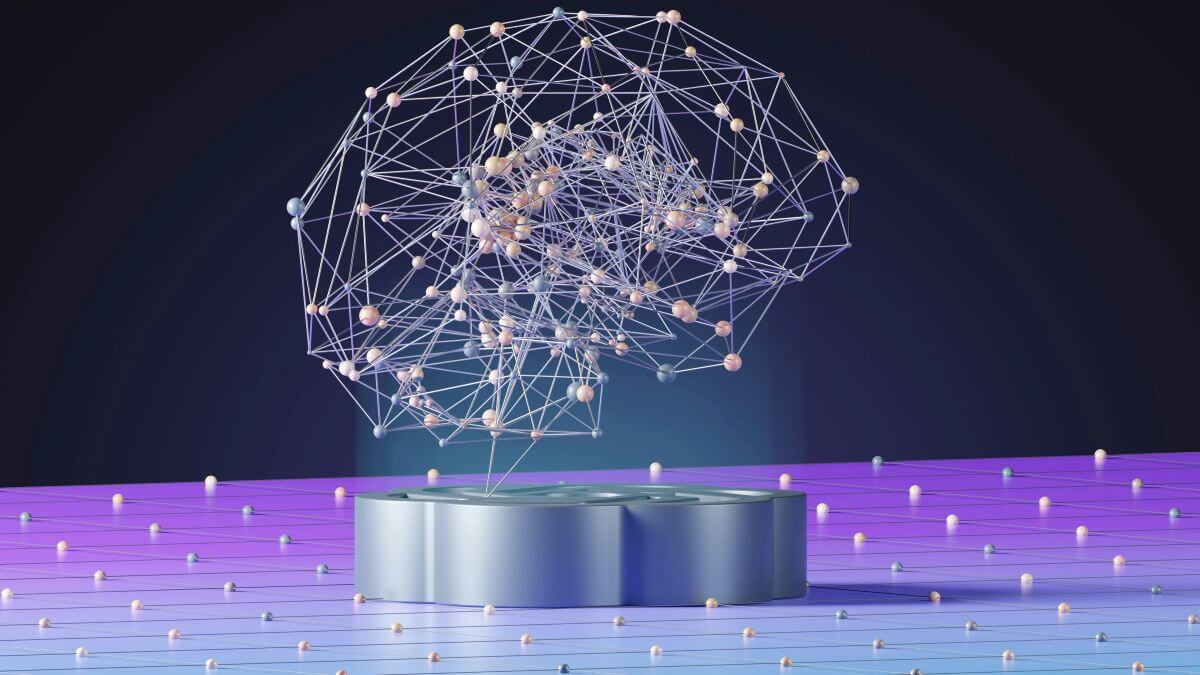
From visuals and video to music and text, the arrival of Artificial Intelligence (AI) platforms and tools have heralded the start of a new age for human creativity, critical thinking and the art world.
Traditionally, the role of a creative has involved dedicating time to honing skills and acquiring extensive experience in a chosen field – but new computing technologies provide users with the ability to quickly create music and art regardless of their expertise, utilising generative AI (GenAI) tools to help enhance how they work.
A recent ADOBE survey showed how more than three-quarters of creative professionals believe GenAI has helped them grow their business and personal brand. Of course, mastering this can be a challenge as exciting new platforms and innovations are appearing all the time. One way through this constantly shifting sector is to study our new Creative Computing and AI degree so you can stay on top of all the latest developments and harness them to push your creative boundaries.
By embarking on a learning journey with SAE, you will be able to explore the latest trends, tech and opportunities within the world of creative computing, AI, Augmented Reality (AR), Virtual Reality (VR) and more.
Our blog will delve into the jobs GenAI is creating, how the role of the artist is changing and the opportunities that come from this alongside any potential pitfalls and ethical AI questions this raises. Read on for more – interested in joining our course? Contact our team now.
AI tools and gen AI
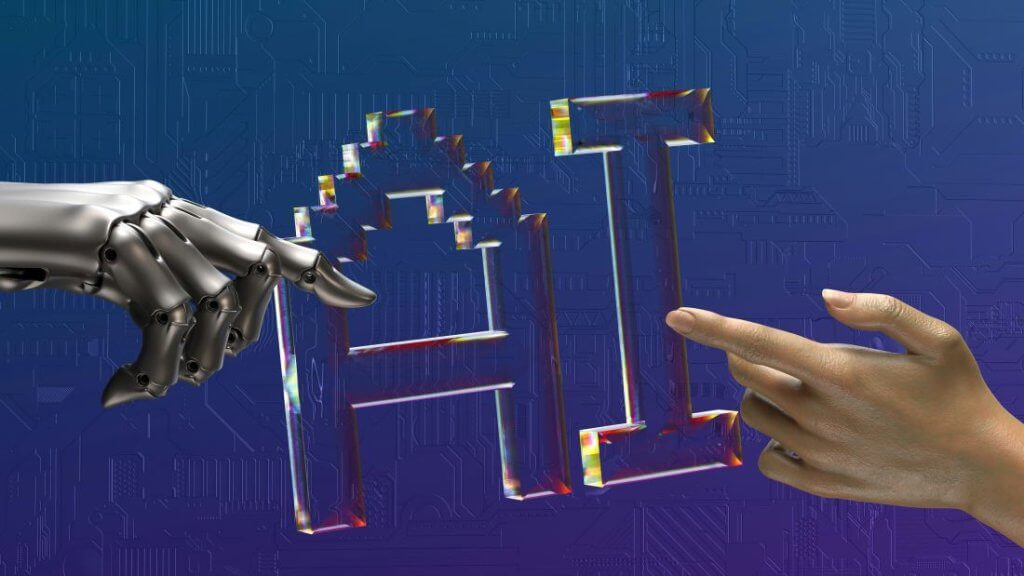
GenAI is the broad field of AI that enables users to create new content such as text, images, code, and more. These GenAI models are trained on vast datasets sourced from the internet and, by using this information, models can learn underlying patterns, structures, and relationships to inform what they create.
To use GenAI to make content, users need to come up with a prompt or instruction – for example, ‘write me a blog article on the rise of the AI artist’. GenAI works by predicting the most suitable content based on the data it has been trained on.
While this can be incredibly helpful and creates exciting opportunities, it does raise potential questions and ethical concerns surrounding copyright, the role of today’s creatives and plagiarism, many of which are still in the process of being answered.
The AI artist and the creative industries
An AI artist is a creator who uses AI tools, like text-to-image generators or generative models, as a core part of their artistic process.
This helps them to generate, manipulate, or enhance visual art, music, or writing, blending their own creative ideas and concepts with steers from tech to come up with new works.
As we’ve seen, text instructions are used to guide the AI model with the opportunity to refine, curate and edit the results created based on training data. When used in this context, AI can be seen as a collaborative partner to help enhance work flows and elevate user abilities.
What are the benefits of utilising Gen AI to inform the creative process
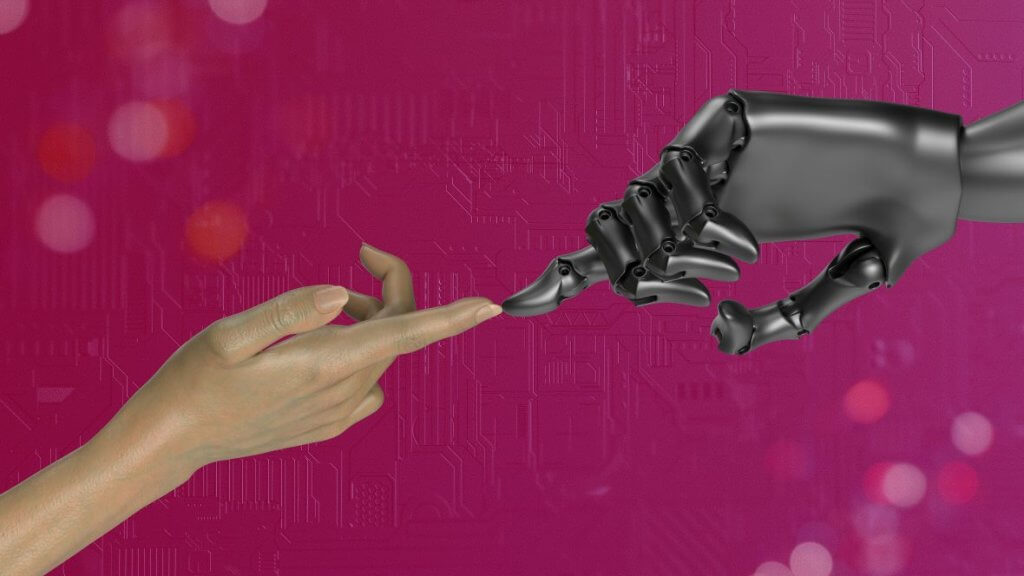
There are clearly plenty of benefits to GenAI if used as a partner and tool but critics have raised concerns that this technology could ultimately replace the jobs of copywriters, graphic designers and other artists.
At this stage, the new technology is still evolving and human imagination is an essential part of the creative process but there are indeed legitimate concerns around the ethical positioning of AI. In the current landscape, acknowledging how it is a tool to augment rather than replace human endeavours is a core part of the creative computing and AI expert’s outlook. Those who see this as an opportunity to generate new ideas and exciting avenues of artistic creation will have the potential to thrive.
Key Factors in the rise of AI Art
Now, there has been a democratisation of the creative process thanks to GenAI technology with creatives able to come up with high quality graphics, audio and designs without any formal training.
Audio can be generated and social media content outlined with AI acting as a collaborator to help support the creation of new ideas and save time when project budgets are tight.
The availability of powerful and more affordable computing hardware, like specialised GPUs and cloud-based infrastructure, has provided the processing power required for AI models to operate. Developers have simultaneously come up with generative algorithms to help execute user prompts and establish the foundations for this new AI landscape.
How AI can shape Creative work
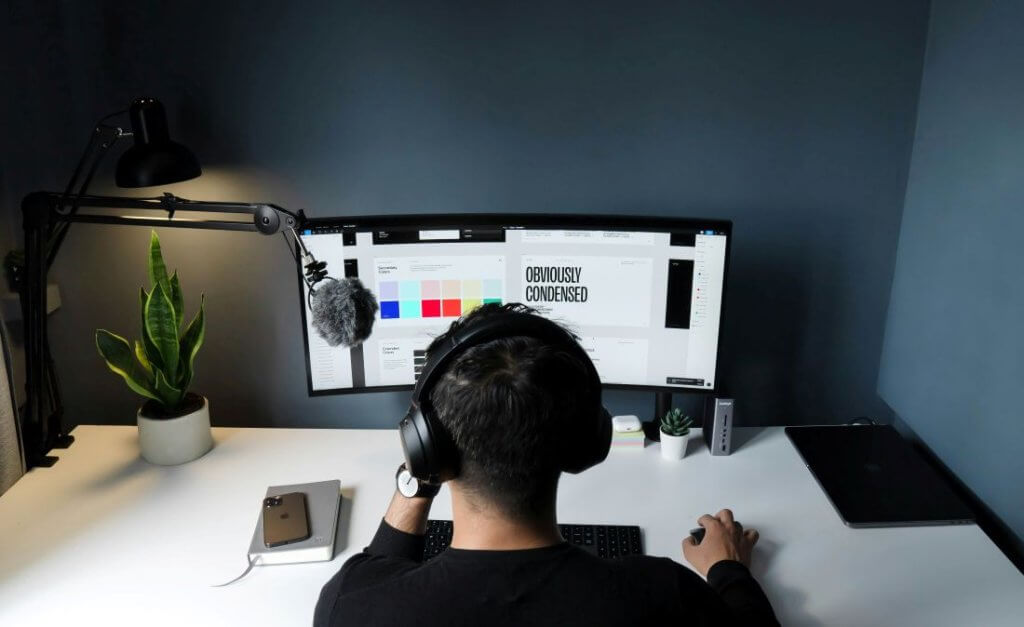
AI has led to potential benefits across different roles and their creative possibilities. However, it is also important to remember that what makes these art forms so exciting is the human touch. Technology is clearly available and can be useful when looking for fresh perspectives or fostering innovation but without human experts behind these tools, creative output can be bland, lack emotional depth and authenticity. Here are some of the ways in which AI can support rather than replace creative roles.
Copywriters: As a writer, AI tools can be useful to help enhance your creative process, checking for grammatical errors or ensuring that content is optimised for SEO purposes.
Graphic design: If you are looking to iterate a range of concepts for a logo, illustration or brand design, then AI can be an efficient way of quickly coming up with multiple ideas for design elements.
Music production: Looking for inspiration for a new track or production? Then AI tools can be an effective way of generating ideas quickly and overcoming any creative blocks. This can be as simple as a beat or synth line that a producer can then make their own.
Concerns surrounding artificial intelligence and art forms
While we’ve seen how GenAI algorithms can speed up the creative process, there are also concerns surrounding AI ethics and what AI generated works mean for those employed within creative fields.
There are some limitations and concerns surrounding AI which need to be remembered when utilising it too. Current GenAI technologies still rely heavily on pre-existing large datasets to generate new content, which means they may struggle when creating truly original work capable of pushing boundaries. However, a recent survey showed how most people can’t tell the difference between art made by humans and by AI. This was inspired by news of an AI generated art selling at auction for $432,500 (£322,000).
There are also questions surrounding copyright which still need to be ascertained – who owns something that is created by AI when it has been trained on other ideas?
As AI continues to evolve, so do questions surrounding ownership and legal frameworks are struggling to keep up. There are issues of copyright, ownership, intellectual property and lack of definitive legislation in this rapidly evolving area. For most works, human skill, labour, or judgment is needed for copyright to exist – at this point, the degree of human involvement with AI remains a grey area with the UK government continuing to consult.
How to leverage new opportunities
Studying a degree like our new Creative Computing and AI course can help aspiring professionals develop strategic thinking surrounding this exciting industry as it continues to change.
By developing AI awareness and understanding, you will be able to stay on top of the latest trends and how it can impact your work as well as the possibilities it offers for creativity and innovation.
Having a clear understanding of AI means you’ll be able to see its potential and make sound decisions regarding how this tech impacts your workflow. Getting to know these tools and experimenting with them will also help you get experience that will likely hold you in good stead for future opportunities within the computing world.
Good luck!
STUDY creative computing and ai
If you want to get to grips with the latest innovations and technologies shaping computing, then our Creative Computing and AI degree could be for you.
Our state-of-the-art facilities and expert tutors are well placed to give your career the best possible start in exciting and creative sector.