Insight
Projection Mapping and Apple Vision Pro: Technologies Shaping Creative Computing
The real and virtual worlds are becoming increasingly intertwined by the arrival of new platforms, immersive experiences and digital environments.
From spatial computing capabilities to Mixed Reality (MR) worlds, the intersection of creative computing, art and computer science is being revolutionised by ongoing innovation. This blending of digital content with physical environments is shaping creative computing and different tools are leading to new ideas and concepts where traditional ways of operating are being abandoned.
There’s also huge growth predicted with the global Extended Reality (XR) market expected to exceed $1.1tn (£830m) by 2030. Alongside this, Generative AI (GenAI), machine learning and Virtual Reality (VR) are all increasingly rising to the fore as ways for businesses and initiatives to significantly enhance audience engagement.
If you are looking to understand how tech is being used to bridge the digital and physical worlds across multiple applications, then studying SAE’s Creative Computing and AI degree could be the best course for you. Students have the chance to get to grips with these new technologies, the latest development tools and how to design fully immersive environments for a variety of user experiences. If you’re interested in getting to grips with how virtual content is changing and the opportunities this creates, then contact our team to learn about our accelerated-degree courses.
Read our blog for more on the new technologies overhauling user behaviour, how we perceive virtual environments and user interaction evolving.
What is creative computing
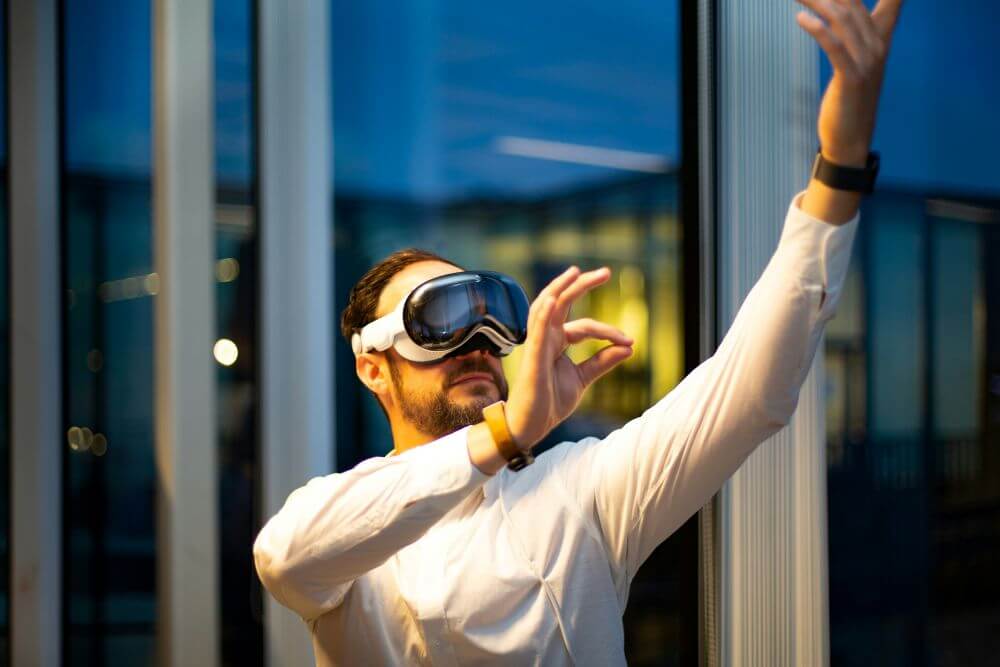
Creative computing is an interdisciplinary field that merges computer science with artistic practice, using technology as a way of innovating, designing, and solving problems.
It combines coding and digital tools with creative thinking and is being moved forward by this broader landscape of tech innovation where app development is coming from new tools rather than traditional interfaces.
Common applications within this space include creative coding, digital storytelling, game design and the user interface/user experience (UI/UX) design process. Many designers are now equipped with the coding skills to create complex patterns, animations, and interactive visuals that would be impossible by hand.
Here are the key technologies and trends shaping this sector:
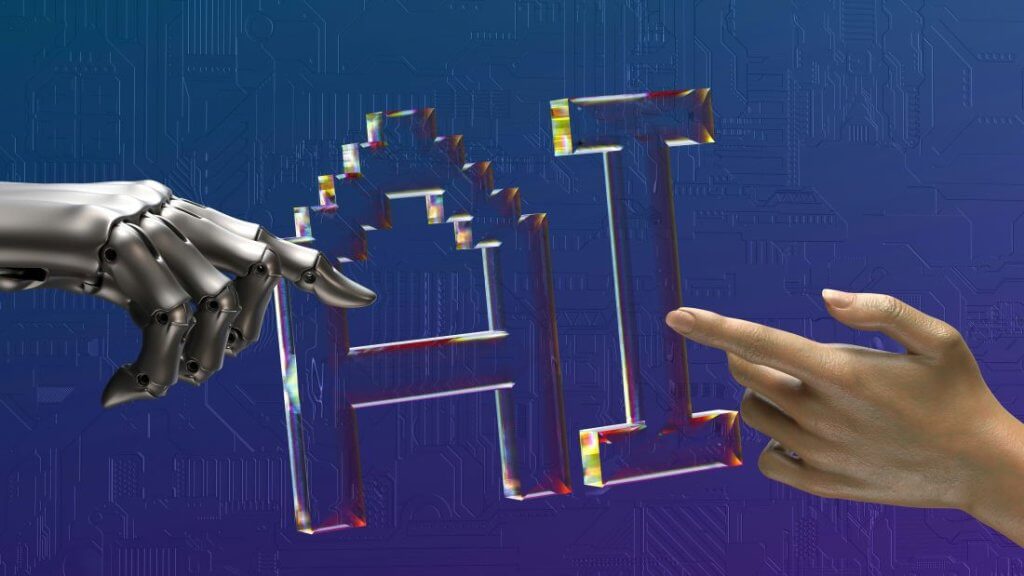
AI
Artificial Intelligence (AI) has become a trending, revolutionary tool within the creative industries by accelerating processes and generating new forms of content and digital elements.
Industry figures illustrate this widespread adoption. According to Adobe, 67 percent of respondents expect AI to enable more personalised experiences such as curated retail recommendations. More than half of senior executives are now utilising GenAI to enhance team efficiency.
GenAI is used to come up with text, music and video via platforms like Claude and ChatGPT. Other platforms such as Adobe Creative Cloud are integrated with AI, enabling users to refine the creation process behind virtual elements. By adopting these tools, businesses are augmenting and streamlining existing processes and workflows.
Immersive Experiences, Mixed Reality and more
XR allows the physical and digital worlds to integrate seamlessly, enabling new opportunities for art, entertainment and performance.
For example, Shakespeare XR offers visitors to Shakespeare’s New Place their first chance to see ‘virtually’ inside the grand house where the writer lived with his family for the final 19 years of his life.
The house was demolished 260 years ago, but thanks to a combination of Augmented Reality (AR) and VR, visitors can watch as the house re-emerges against a live backdrop of its former home.
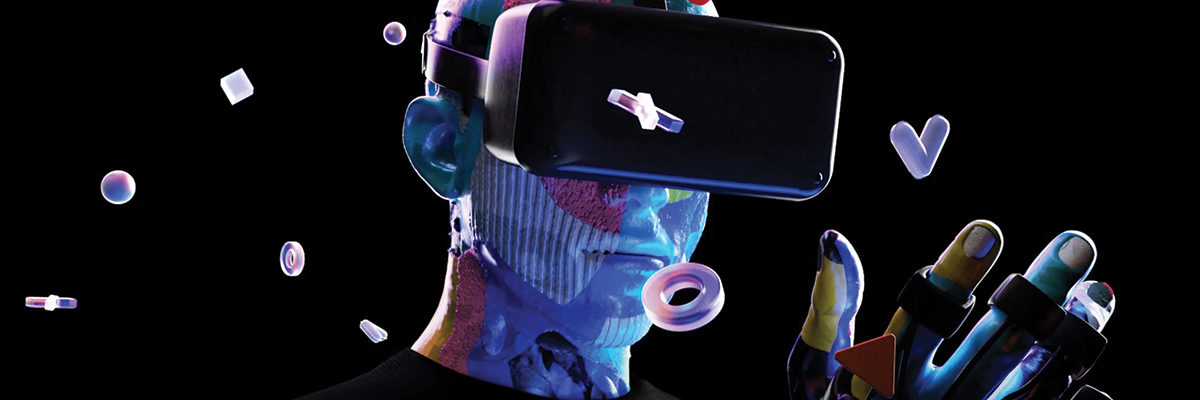
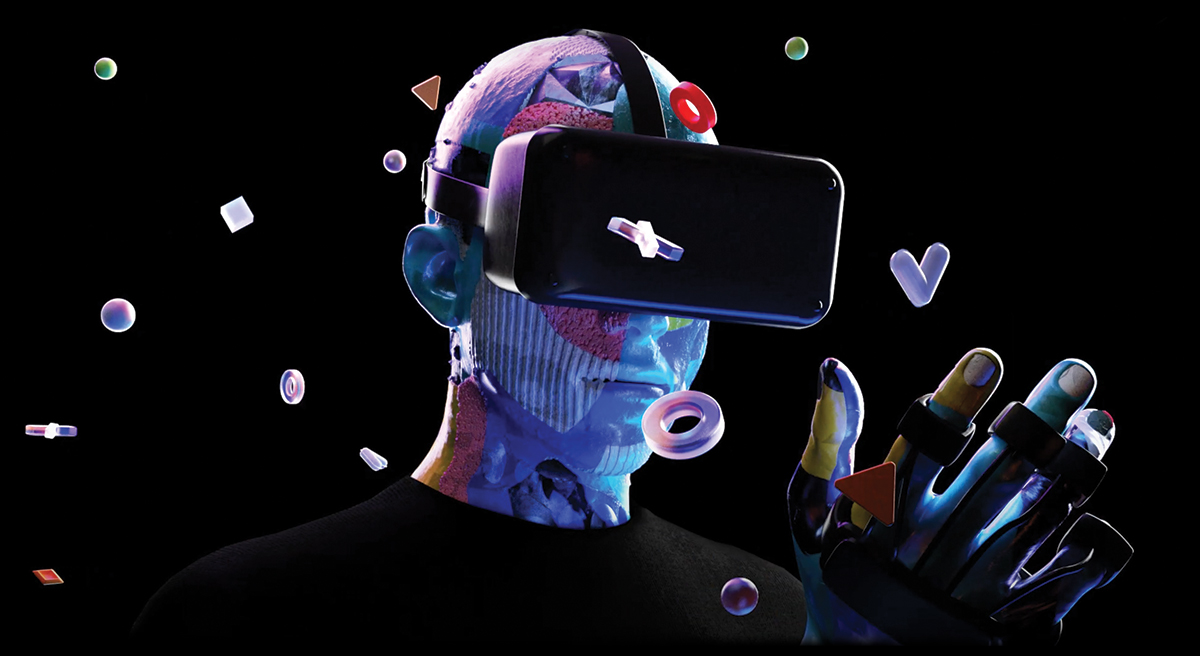
VR allows users to experience fully simulated worlds via headsets while AR aims to enhance a user’s physical environment with digital overlays. Elsewhere, virtual production is used in film, gaming and for creating immersive scenes in other environments.
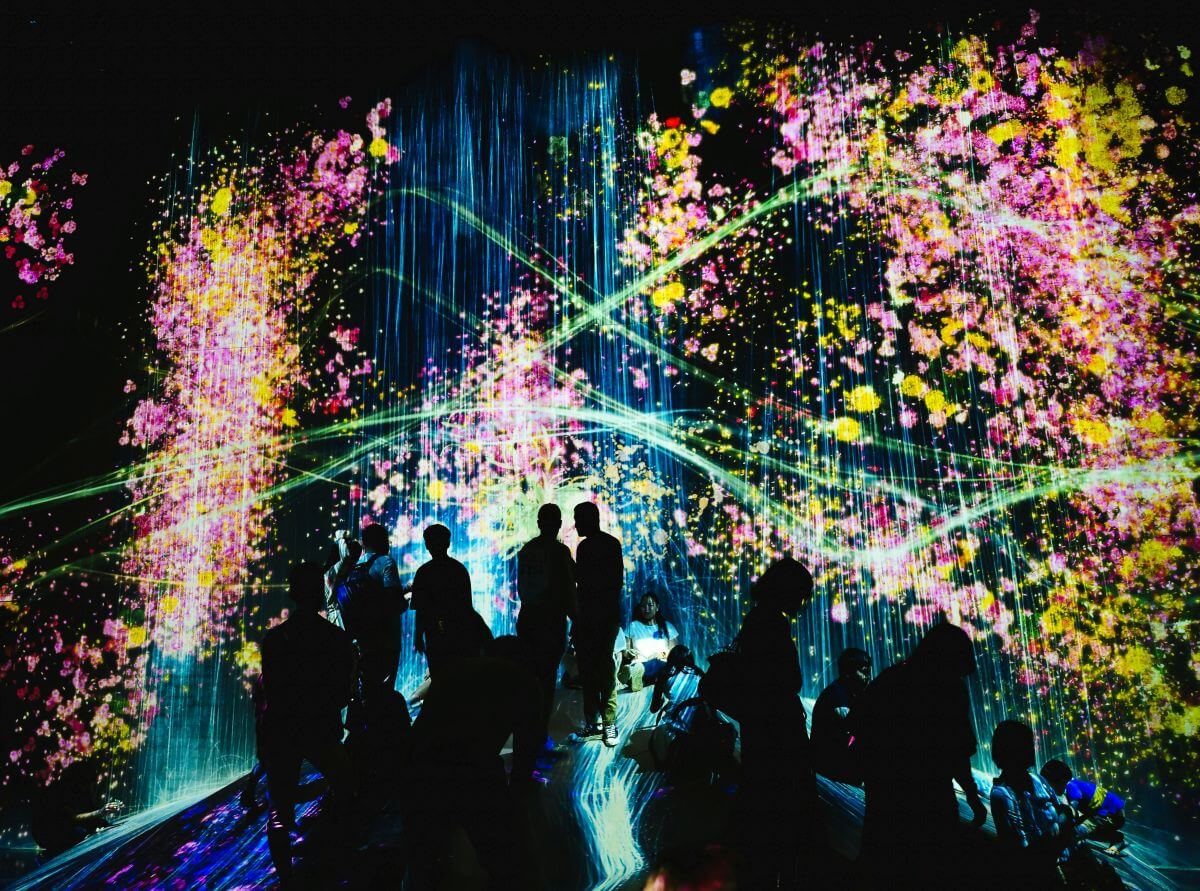
Projection mapping sees virtual content projected onto physical structures and environments including buildings and stage sets. This allows artists to create immersive illusions and transform static environments into interactive experiences.
Physical Computing and Internet of Things (IoT)
This focuses on connecting digital systems to the physical world, allowing computers to act as interactive art or tangible interfaces.
Household appliances located within a physical space can be fitted with sensors and software that enable them to connect, exchange data, and act on information with other devices over the internet. This offers users more precise control over how and when they are used while these devices can also respond to voice commands too.
Tools like Arduino allow for interactive installations and creative hardware projects while wearable tech includes various clothing items and accessories.
Creative Coding, Interaction Design and Software Development
The foundation of creative computing involves writing code to produce art, visuals, and interactive design that goes further than traditional app development or software.
In this context, game engines such as Unity and Unreal Engine are widely used for building interactive installations and real-time 3D experiences (with both an integral part of SAE’s Creative Computing and AI degree).
This can also lead to the development of custom tools to control input gestures in games and applications.
New Era of Digital Content and Creative Tech for Social Good
New technologies are being designed to promote mental health and sustainability with digital wellbeing an increasing priority. From apps and online communities to wearable tech aimed at tracking how the body behaves, there are many platforms out that can support mindfulness, cognitive psychology and physical activity.
There are also different sectors where a knowledge of creative computing and interface design is being utilised. This includes with games and entertainment, marketing (where personalised and interactive ads are now prioritised), alongside art and performance.
With virtual spaces and spatial interactions offering more scope for ingenuity than ever before, there’s never been a better time to launch a career in this innovative and continually evolving computing world.
Study creative computing and ai
If you want to get to grips with the latest innovations and technologies shaping computing, then our Creative Computing and AI degree could be for you.
Our state-of-the-art facilities and expert tutors are well placed to give your career the best possible start in exciting and creative sector.