







The music industry’s ecosystem exists to ensure songwriters, composers and performers are fairly compensated for their creativity.
It’s a complicated infrastructure featuring various stakeholders including artists, record labels and of course music publishers. Those looking to learn music business skills on SAE’s Music Business course will be well-placed to gain an understanding of the different music publishing royalties available, and how at its heart is the creation of copyright born from the songwriting process. Copyright exists to protect intellectual property and ensures writers receive money for their music. By helping songwriters get paid fairly, this means they can continue writing music and hopefully develop creative careers.
Like every area of the industry, music publishing has been revolutionised by the advent of digital music, new platforms and technologies, including Artificial Intelligence (AI). There are now questions surrounding what this means for music royalties, whether it is best for emerging artists to own their music rights, seek a publishing deal and what future royalties could look like in a world flooded by streaming services and AI-enhanced composition.
In our blog, we will explore music publishing in more detail, songwriting royalties, mechanical royalty rates and the music business skills required to successfully navigate this sector.
If you’re looking to learn how our course could help you acquire the music business skills needed to thrive in today’s music industry, then message our team now.
What is Music Publishing

A music publishing company manages the copyright of a song or composition (made up of lyrics and melody) to help earn royalties for songwriters and publishers when these songs are publicly performed (by being broadcast on the radio, streamed, or played on television).
These plays can earn songwriter performance royalties for the copyright owner and it is down to music publishers to manage, protect, and monetise these elements.
This system surrounding the protection of an author’s rights within music has been in place since the introduction of copyright law in the UK. It originated from sheet music in the 18th century and has seen various iterations as musical formats have evolved.
The role of the music publisher is to promote songs for sync licenses (where music is licensed to a film, advert or other piece of media) and manage royalty collection for performance, mechanical (streams/sales), and sync royalties. This income is received via Performing Rights Organisations (PRO) (the UK has PRS for Music and PPL as its collection societies) and these organisations distribute a number of payments each year – the income can be split between the various parties who own a percentage of a piece of original music.
If you want to launch and sustain a music career, then you will need an understanding of the different royalty payments, how royalties collected can generate income and the publishing rights songwriters are entitled to.
Which companies are music publishers
Denmark Street in London was historically known as Tin Pan Alley, the hub for music publishers from the 1920s to 1960s, with a variety of key players all having offices there. Lawrence Wright is believed to have been the first music publisher who launched the Melody Maker magazine in 1926 and wrote music under the pseudonym Horatio Nicholls.
Since then, the music publishing sector has significantly evolved with a huge range of different companies looking after the rights of songwriters and composers. Many of the major record labels have publishing arms, including Sony Music Publishing and Universal Music Publishing Group.
Bucks Music, Sentric Music Publishing and Notting Hill Music Publishing are among some of the leading independent music publishers operating today.
Copyright in different types of music

For every sound recording, there are two sets of music copyrights that can be monetised in different ways.
- Master: These are the rights related to the reproduction and distribution of the sound recording. They belong to the recording artist, the record label and/or the recording studio.
- Composition: These are rights based on the lyrics, harmonies, and melodies of a song and belong to the songwriter, composer and/or the publisher.
Songwriting splits
Questions of ownership of a piece of music can often lead to hot debate surrounding music publishing deals and record deals. If not splits are not handled correctly and agreed at the start of a recording session, then this can lead to fall outs and even law suits.
There are plenty of bands that have ended up in legal battles due to arguments over songwriting ownership. The more successful a group, the more money is at stake with songwriter Sting recently paying his former Police bandmates Andy Summers and Stuart Copeland more than £500,000 in royalties.
Another controversial area involves sampling culture. This is the process of taking an element of someone else’s recording, then using it in a track and requires permission from the rightsholder for both the sound recording and composition. Failing to get clearance from the owners is classed as infringement and can also lead to potential legal action.
De La Soul sampled The Turtles’ song You Showed Me without clearance on their track, Transmitting Live From Mars. This lead to the hip hop group paying the group millions of dollars to settle the action.
The role of Performing Rights Organisations and Neighbouring rights royalties

A PRO is an agency that ensures songwriters and publishers are paid for the use of their music by collecting royalties on behalf of the rights owner.
In the UK, PRS for Music is the main PRO but many major territories have their own. The Mechanical Copyright Protection Society (known as the MCPS) also works as part of PRS for Music and handles mechanical royalties. These are payments for songwriters and publishers every time their musical composition is reproduced, whether physically (CDs, vinyl) or digitally via a stream or download.
In theory, all these PROs have reciprocal deals in place with one another; so if you’re a PRS member and one of your copyrights generates money in Germany, then collecting society GEMA will look after your royalty collection in their country.
What type of royalties are available for songwriters
Regardless of the musical genre you work in, all songwriters are entitled to earn royalties from their creations as long as they are registered with a PRO and have a collection process in place – either managed by themselves or via a music publisher working on their behalf.
Public Performance Royalties
This refers to the amount paid by a PRO to songwriters, composers and publishers whenever their music is broadcasted publicly. This includes digital streaming royalties alongside radio plays, performances of their music at live events, gigs and in clubs or bars.
Mechanical Royalties
Mechanical royalties are payments made to songwriters whenever one of their copyrighted musical compositions is distributed or reproduced in either a physical or digital format.
Synchronisation Royalties
These royalties are generated when a copyrighted music composition is shared in a video format or other media like motion pictures, commercials, TV, or video games. These sync fees are paid to record labels and recording artists and can make up a sizable chunk of income.
Streaming services

One of the biggest changes to the music industry in recent years is that of the domination of digital music. Now music streaming services such as Apple Music and Spotify have changed the access model for consumers with the ability to listen to music now valued over ownership among many consumers.
According to the BPI, the annual audio streaming market surpassed 200bn for the first time in 2025, reaching 210.3bn streams.
On the flip side to these huge numbers, music streaming has drastically impacted royalty rates for songwriters and composers with per-stream payment rates leading to lower revenue for creatives. Spotify is believed to pay artists between $0.003 and $0.005 per stream and illustrates how challenging it can be for emerging artists to economically navigate the industry. This has led to campaigning for fairer, more creator focused models to be introduced.
Sync Licensing
Sync is another potential form of revenue for songwriters, composers and music publishers.
This is the legal process of getting permission to use a pre-existing song in visual media like TV, films, commercials, or video games, pairing the music with the visuals.
This involves licensing both the song’s composition (melody/lyrics) and the specific recording (master) from their respective rights holders. Detailed agreements often surround how a piece of music is used, how long for, where and the fee for its use.
Independent artists and self-publishing
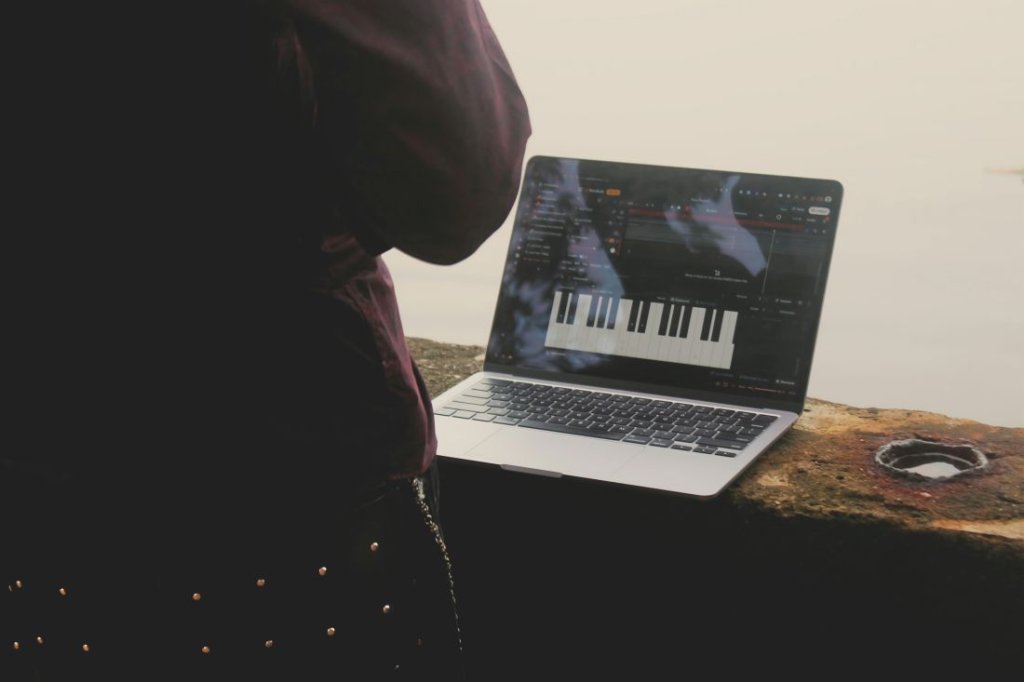
For indie artists, technology has created different opportunities for them to operate on their own and outside of the traditional music industry ecosystem. There are of course challenges that come with being in charge of your own music like this – your financial future will be in your hands and you will need to have the music business skills to ensure any opportunities are maximised.
However, the benefits come from being creatively independent. Artists can make all decisions on pricing, distribution and marketing while also enjoying more revenue per usage by avoiding paying a publisher.
Artists own their copyrights and make all decisions on design, pricing, distribution, and marketing, unlike traditional deals where publishers/labels hold power. There are also tools and platforms including TuneCore and DistroKid that artists and indie businesses can utilise to enhance the process of music distribution.
Of course, studying a music business course can help prepare performing artists and aspiring professionals for navigating the world of music rights.
Study Music Business at SAE
Studying our leading Music Business course will give you a comprehensive education in labels, publishing, management, touring, distribution, and live events.
You will have the opportunity to collaborate with an exciting student body to record your artists, film music videos and begin to plan your own career in one of the world’s most exciting industries.