
Studying music industry courses such as SAE’s Music Business degree can be an effective route into the music business, arming students with the knowledge to trace how music flows from the studio to streaming platforms.
The journey of a track involves various stages, from its initial composition, distribution to different music platforms (including Apple Music), then promotion and performance.
How a piece of music travels in the world can depend on how it is made, its genre and intended audience. But ultimately, the purpose of many songs or compositions is to be created, then heard, often by new audiences, then generate its music creator some form of income so they can continue writing and producing.
Technology has enabled various ways for this to happen and radically overhauled the music creative process.
In our blog, we will explore the different stages of music production, how the music industry ecosystem works and royalties can flow from streaming playback to aspiring musicians looking to use these ideas to develop a sustainable career.
If you’re interested in joining one of our music industry courses, then contact our team now.
The Music Industry

From the way music is made to how it is distributed and marketed, the technological evolution of the last twenty years has had a huge impact on the process of producing a piece of music.
In the studio, virtual instruments and plugins provide software versions of real instruments and effects, expanding creative options. MIDI (aka Musical Instrument Digital Interface) means electronic instruments and computers can communicate with new standards for digital music creation.
In terms of music consumption, the industry has tilted towards music subscription models which have increased access to a huge array of sounds. Services such as Apple Music and Spotify have moved the model from ownership to streaming via a subscription fee.
In 2024, the amount of money spent on music streaming subscriptions by UK consumers grew by 7.8 percent, new figures have revealed. Further data showed how popular these platforms have become with £2bn spent on music streaming subscriptions in 2024, up from £1.9bn in 2023.
Meanwhile, social media now dominates the industry landscape with platforms such as Instagram, YouTube and TikTok seen as the most effective ways for artists to share updates and their latest music. Digital marketing campaigns are therefore very important for acts wanting to break through.
Recording Process and Digital Audio Workstations

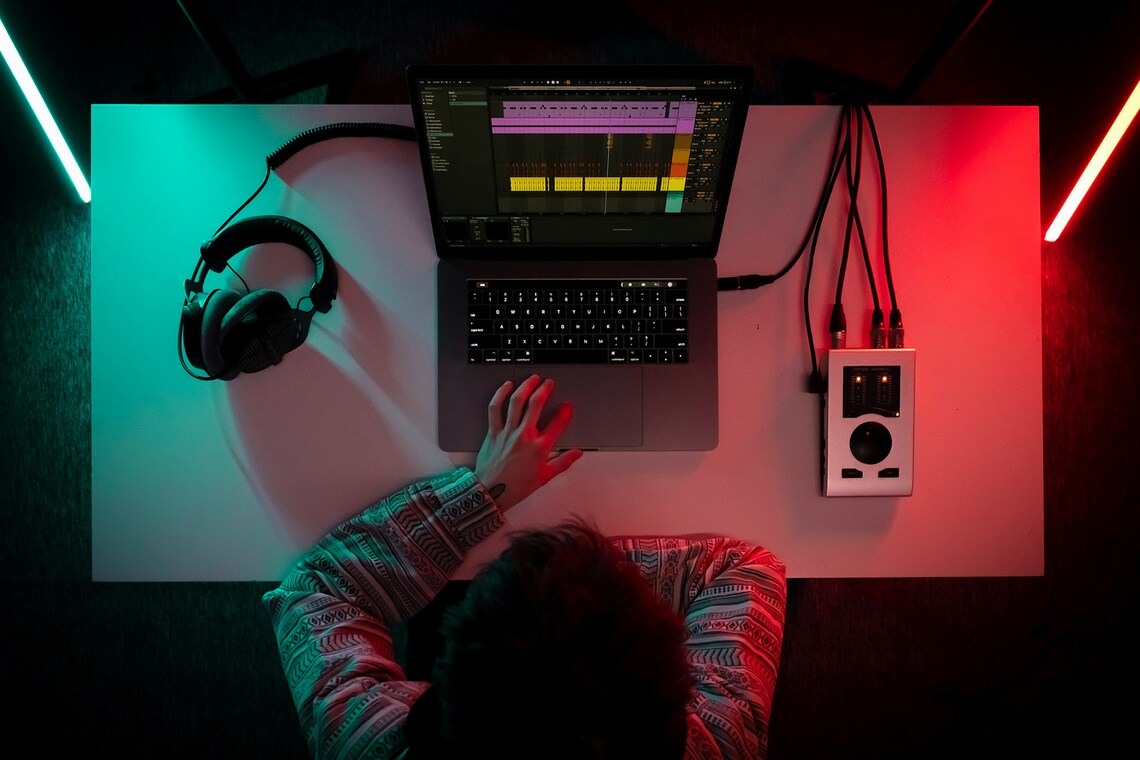
The advent of the Digital Audio Workstation (or DAW) has been one of the big milestone moments for changes to music production and songwriters creating music.
While a range of DAWs are now available, from FL Studio to Logic Pro, Ableton Live and Pro Tools, many can be used from anywhere due to the power of our laptops and domestic devices. This has led to a democratisation of the music studio, meaning more artists are able to make and share their music than ever before. In the past, studios were dedicated spaces only accessible to those with a significant budget but now home studios are common. This shift ensures today’s producers have access to more quality technology to aid their creativity than ever before.
Other possibilities have also opened up in the production process – previously, collaborators would have to work from the same space and the editing process would be laborious and complex. However, now remote file sharing is possible and digital editing is smooth and simple.
The mixing and mastering process to get tracks to their final version has also been enhanced too with digital tools allowing engineers to work faster and with greater precision. LANDR or eMastered are excellent options for aspiring producers on a budget.
Distribution deals

Before artists would need to sign with record labels to get their music into the ears of listeners, now many indie artists can take a DIY route to their fans.
Of course, labels still exist and offer big funding, marketing, and scale, but independent artists can now build global careers without them by utilising services including TuneCore or CD Baby. These distributors work by adding music to the major streaming platforms in exchange for a fee or subscription cost.
One of the most important elements in the process of working with a distributor surrounds metadata. This is the information of a song that will allow it to be identifiable, by both Performing Rights Organisations (PROs) and music lovers when they are searching for music.
The metadata includes critical details such as artist name, song title, genre, artwork and songwriting splits. Not only does this information need to be correct when added to a distribution platform but also when registering a song or composition with a PRO such as PRS for Music or PPL.
This latter stage is an important part of the process – it is only through registering music with a PRO that songwriters, composers and music publishers are able to receive royalties for the use of their music.
Promoting your music and building a brand

Once a piece of music has been written, produced and registered with a distributor, then a release date should be in the diary. As an artist or professional working in a team around them, this should form the basis for your marketing campaign and how you will promote this music.
There are different approaches to take – for example, utilising social media platforms is an essential process for many, sharing content using Instagram, TikTok and Facebook to drive music lovers to your music. Actively engaging with potential fans can go a long way in establishing artist stories and content can take the form of teasers, behind-the-scenes footage of music being made or live shows. There’s obviously a myriad of different forms of content out there for artists to use as inspiration.
YouTube and YouTube Music can also be useful platforms, particularly for visual content, whether that be in the form of lyric videos or image montages. Live streaming is also popular for either performances or production sessions with many DAWs offering the functionality for sessions to be share via YouTube or Twitch.
Elsewhere, artists also aim to build their fanbase outside of social media via newsletters or email lists. This can offer enhanced engagement which is not dependent on the algorithm. Platforms such as Linktree or Linkfire can host every link in one central space to make it easier for fans to engage with different content connected to a project.
In terms of streaming platforms, securing the inclusion of your tunes on a popular playlist can be at the foundation of success in our digital age, capturing listeners who might not have otherwise heard of you and your musical art. In the real world, attending events like open mics and giving live performances can also be key in winning new fans over.
Brand building can be a tricky challenge for artists – the core aim is to develop a visual identity and character that is aligned with your sound and values.
Generating money from music

Once a song, album or EP has been released, then making sure the flow of royalties from streaming services to artist needs to be monitored.
PRS for Music usually distributes royalties four times a year (April, July, October, December) for many uses like broadcast and live, but they’ve introduced monthly payments for online streaming (MTOL) in 2025, paying out around the 15th of each month if thresholds are met (£30 UK, £60 overseas).
There are other ways for artists to generate revenue from their music – from music sync to merchandise sales alongside live performances. With the internet enabling access to different sounds from around the world, there are now more influences accessible than ever before too. It is a combination of approaches to draw and utilise all these tools that can help ensure creatives can continue on their musical journeys.
Study Music Business at SAE
Studying our leading Music Business course will give you a comprehensive education in labels, publishing, management, touring, distribution, and live events.
You will have the opportunity to collaborate with an exciting student body to record your artists, film music videos and begin to plan your own career in one of the world’s most exciting industries.