



Insight
Legal Challenges in the Modern Music Landscape

Ever since the advent of the digital age, the music industry’s legal landscape has been in a state of flux, buffeted by musical innovations and questions of copyright ownership in a new creative world.
Many of the key concepts surrounding the music industry and intellectual property rights have stayed the same since their inception with a defining principle of fair compensation for songwriters.
The challenge for industry stakeholders is navigating the new realities surrounding music creation, distribution and the legal questions they raise. AI generated content and other forms of computer generated works have led to the legitimacy of existing legal frameworks and copyright protection being questioned.
If you are looking to pursue music business learning and get to grips with the essentials surrounding how fair compensation is still the goal for creatives rather than any legal disputes, then learn more about SAE’s Music Business course. Our degree could equip you with the ability to navigate today’s ever-changing industry – and you can get in contact with our team to find out more.
Our blog post will explore the industry’s significant transformations and how industry standards can still be adhered to while the ecosystem continues fostering innovation.
Music Industry and the Legal Landscape
Today’s technological changes have created unique challenges for songwriters, producers, musicians and artists and how their musical works are treated.
Some of the music industry’s legal foundations include the below:
Copyright Components | A song includes two different forms of copyright: the master recording (finished audio) and the composition (lyrics/melody). Both require separate protection and generate different royalties for creators and performers.
Licensing Agreements and Royalties | Any rights holders must manage various different licenses including mechanical (reproduction), public performance (radio/venues), and synchronisation (media). There are different Performing Rights Organisations or PROs that do this. In the UK, PRS for Music plays a pivotal role in ensuring the flow of revenue to creators.
Moral Rights | Solid ethics and moral principles guide many businesses and music is no exception. These protect the personal and reputational interests of creators, ensuring attribution and integrity of the work.
Artificial Intelligence (AI), AI Generated music and Copyright law

Artificial Intelligence (AI) is creating plenty of headaches for legal professionals and raising crucial questions about what copyright ownership looks like in 2026.
One of the main questions surrounding AI music is if it can be protected by copyright. UK laws stipulate there must be a human creator involved in a song although there can be exceptions if someone ‘arranges’ a piece of music. But this is a grey area, the law is still catching up with tech changes and currently many regional jurisdictions have different approaches to litigation.
We are also living in the age of AI-generated music where famous artists can be mimicked and replicated. Heart on My Sleeve is a key example, a track that cloned the voices of Drake and The Weeknd and ended up going viral on social media. In the US, it led to proposals for the NO FAKES Act (Nurture Originals, Foster Art, and Keep Entertainment Safe Act) to protect the likeness people and their voices.
According to the UK government, in 2025 alone, 8,000,000 deepfakes are estimated to have been shared, up from 500,000 in 2023. Because of this, the authorities are looking to develop and implement a world-first deepfake detection evaluation framework.
Concerns are also being raised about AI firms such as Suno, ventures accused of copyright infringement in the ways their AI models are trained on the work of other artists and songwriters. Major record labels, including Warner Music Group, Sony Music, and Universal Music Group, sued Suno in 2024, alleging that the training of its models is a mass copyright infringement.
There are also ongoing debates surrounding whether AI developers must obtain licenses (opt-in) or if they can use creative content until artists actively opt-out.
Streaming Revenue and Contract Transparency

Digital streaming has been with us since the end of the 2000s and has become one of the main means of consumption for music fans. The latest BPI statistics on streaming show how this mode of music consumption reached a record £1.07bn during 2025 with revenue up by 4.6 percent on 2024.
However, there is now increasing scrutiny over fair payment for artists with industry organisations now campaigning for a higher share of streaming royalties and greater transparency over how digital revenue is shared.
The Ivors Academy and Musicians Union are behind the Fix Streaming campaign, an initiative aimed at championing music creators to ensure they get a fairer deal from these platforms.
There have also been concerns about anti-competitive processes including the bundling of content to pay lower royalty rates. Spotify won a lawsuit filed against the company last year after it began to pay songwriters less after bundling music with audiobooks.
Intellectual Property, Sampling, and Infringement
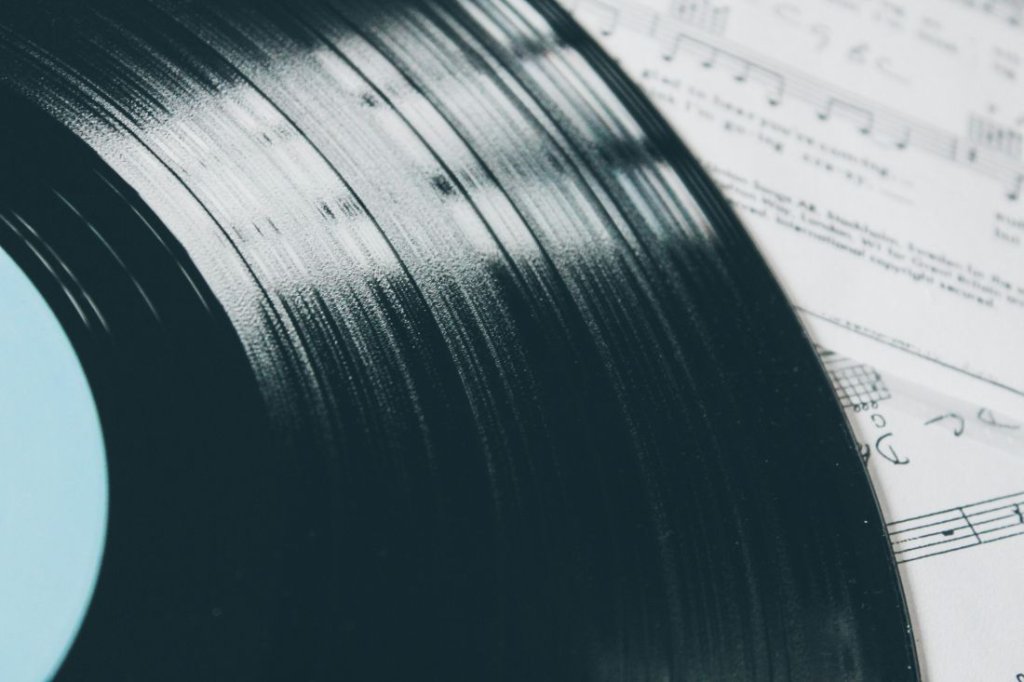
Sampling has long-been a source of contention in music creation, particularly for those worried about safeguarding their intellectual property to help them enjoy a successful career. Now technology has made it easier than ever for producers to use others elements of music in their own tracks.
Sample clearance is a necessary as judicators in lawsuits often make decisions based on what is the most recognisable or important part of the song. This is opposed to the amount that has been sampled in a track, meaning no matter the length of a sample, it could still put a creator at risk if uncleared.
A big concern for todays collecting societies is incomplete metadata. Previously, the Ivors Academy estimated as much as £500m worth of streaming royalties went unallocated due to data issues. Without the correct information, then identifying who to pay any royalties to is impossible.
Lawsuits have also become complex due to questions over whether infringement includes specific elements of the music or is more aligned to the ‘vibe’ of a track.
International Licensing and Global Rights
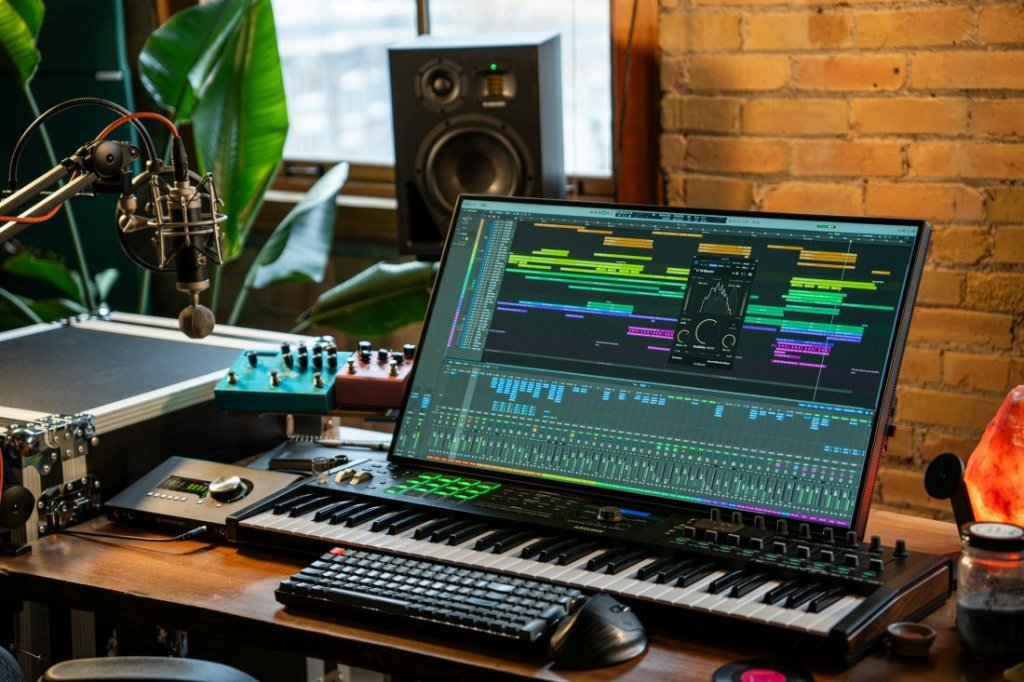
While digital music distribution and streaming platforms now operate globally, many countries have their own unique take on copyright agreements.
This is particularly pertinent in sync licensing. Whether it be for games, Netflix shows or blockbuster movies, there are multiple global stakeholders involved.
Copyright laws, particularly regarding ‘fair use’ (US) versus ‘fair dealing’ (UK) and moral rights, vary drastically across jurisdictions, again adding to the complex landscape.
Live Music Safety

The live sector faces new regulatory burdens focusing on security and artist safety including the adoption of Martyn’s Law in the UK.
Named after Martyn Hett, a gig goer who was tragically killed in the 2017 Manchester Arena attack, there is now more emphasis on security and safety at venues. These new obligations have an impact on touring artists, bands and their live teams alongside venues.
Streaming Fraud
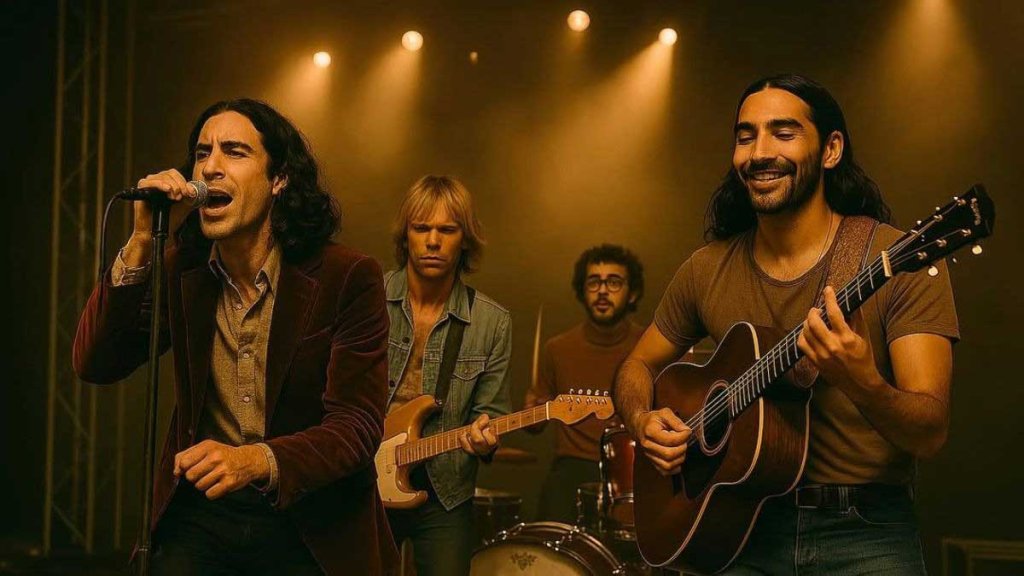
The issue of AI music on streaming platforms is an ongoing dispute in the music industry.
One of the most high-profile cases to date involves the AI band, the Velvet Sundown (pictured above), who went viral on Spotify and managed to gain more than a million streams in only a few weeks.
After it was revealed that the group was not real, questions were raised about what music the AI model was trained on that led to their songs being created. While Spotify has since implemented measures to remove fraudulent, AI-generated “spam” tracks and unauthorised voice-clones, there is no widespread user-facing tag identifying fully synthetic content.
Study Music Business at SAE
Studying our leading Music Business course will give you a comprehensive education in labels, publishing, management, touring, distribution, and live events.
You will have the opportunity to collaborate with an exciting student body to record your artists, film music videos and begin to plan your own career in one of the world’s most exciting industries.