

Insight
How AI is Transforming Graphic Design, Motion Graphics and Multimedia Production

From multimedia production and visual storytelling to graphic design and motion graphics, technology is having a significant impact across almost every area of creative storytelling.
Whether it’s Generative AI (GenAI) like Chat GPT, Claude or other AI-based tools, these new modes of human creativity are increasing in sophistication and pushing boundaries while simultaneously streamlining processes and cutting production costs surrounding mundane design tasks.
Of course, technology alone cannot come up with a coherent artistic vision – the human touch is still a key part of creative work in establishing an emotional connection with audiences. But many businesses are now exploring and embracing the possibilities of AI.
New research found that 90 percent of businesses use graphic designers in some capacity. At the same time, 88 percent of businesses report using AI models. While we’re living in the AI age, it’s being used alongside the ideas and energy of human input, human designers and creatives.
If you’re keen to learn more about AI technology, and how advanced AI models can influence motion designers and new concepts in the graphic design industry, then look up SAE’s Creative Computing and AI degree. A core element of our course is aimed at students wanting to understand how the human imagination can work alongside AI-generated designs in our rapidly evolving tech world.
Contact our team for more on our course and read on for insights on how AI tools are leading to faster production and provoking debate about the genesis of new ideas within the creative industries.
Creative work and Ai technology defined
The creative industries is not only full of innovative ideas but professionals looking to enhance how they work.
Now AI integration into processes is valued and seen as a way to enhance creativity.
The inaugural Inaugural Adobe Creators’ Toolkit Report showed how 86 percent of creators are actively using creative GenAI. Rather than utilising it for one task, it’s integrated across workflows.
The top uses of creative GenAI include editing, upscaling, and enhancement (55 percent), generating new assets like images and video (52 percent), and ideation and brainstorming (48 percent). So whether it’s graphic design, motion graphics design or multimedia production, AI tools are having an impact on creative decisions and helping ideas come to life.
How AI transforms the creative process
If you’re looking to concentrate on pushing creative boundaries, then AI-driven tools can be invaluable in taking on repetitive tasks and streamlining workflows.
Using AI in motion design can be a cost effective way of handling the more labour-intensive or tedious steps in a workflow such as resizing images or editing backgrounds. AI tools can usually create these in a matter of seconds, freeing up designers to focus on the more strategic and creative aspects of their work.
AI can also generate design ideas and artwork based on input criteria, sparking new creative directions when inspiration might be hard to find. This integration of AI into processes surrounding graphic design or multimedia production can enhance timelines and provide designers with a vast array of design options and inspirations.
Studying a degree like SAE’s Creative Computing and AI course will prepare students to understand the most effective ways to work with these new tools. No matter how it is achieved, high quality output is still valued in branding materials, design elements and other assets.
Ethical concerns
Of course, there have been many questions raised by the adoption of AI. In research undertaken by Queen’s Mary University, the majority of respondents (73 percent) felt that GenAI is changing the quality of work in the creative industries. Some are concerned about the impact of AI on job security, how work is valued by others, and financial compensation.
At the same time, a significant portion of respondents remained neutral about AI’s impact, with 67 percent seeing no change in workplace support and 62 percent reporting no effect on work flexibility.
Many supporters of AI tools believe these platforms empower rather than replace the creativity of graphic designers or content creators. Instead of job displacement, they augment human vision and critical thinking to help heighten emotional impact rather than leading to homogenisation.
There are certainly questions raised by AI tools in terms of copyright legislation, intellectual property and their environmental impact. While AI helps optimise energy grids and climate research, its infrastructure is also projected to double data centre energy demand by 2030, contributing to increased greenhouse gas emissions.
So how do we progress? Amid the current landscape of tech and creativity, adopting an adaptable mindset and staying on top of the latest AI tools and developments is essential.
AI’s impact on Graphic Design, Motion Design and beyond
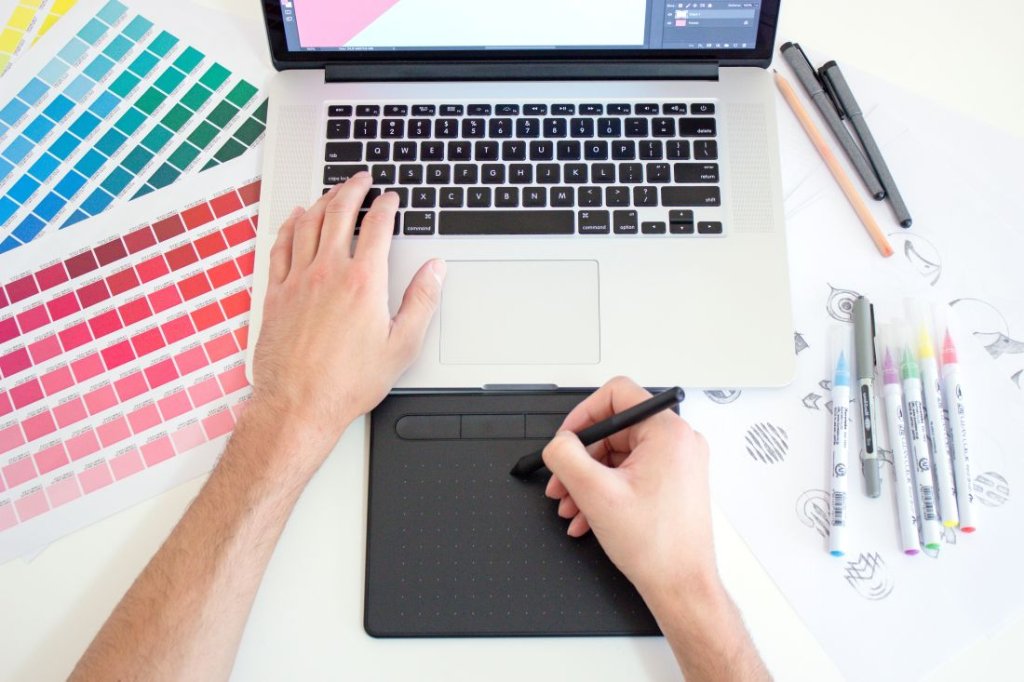
The integration of AI into the creative industries is reshaping creative outputs in graphic design and multimedia production and more, offering a range of advantages that can help designers and brands. From increased efficiency to inspired creative ideas, AI tools are transforming processes and project management. The positives come from expanded possibilities and here are some of the impacts:
Enhanced efficiency and productivity
If you are looking to save time and increase a project’s efficiency, then AI tools used alongside well-worded prompts can be invaluable. Combined, they can automate time-consuming tasks, freeing designers to focus on higher-level creative work.
This increased efficiency translates to faster project turnaround times and improved overall productivity.
AI can also handle tasks like generating design variations, creating different colour palettes for design iterations, faster storyboarding and tailoring content for a more personalised end-user experience.
The aim is to significantly reduce the amount of time spent on manual work, enabling designers themselves to conceptualizing and refining. As AI intelligent algorithms continue to improve, designers can expect even greater efficiency gains in their workflows.
Expanded creative possibilities
Are you stuck for ideas or just in need of some quick inspiration?
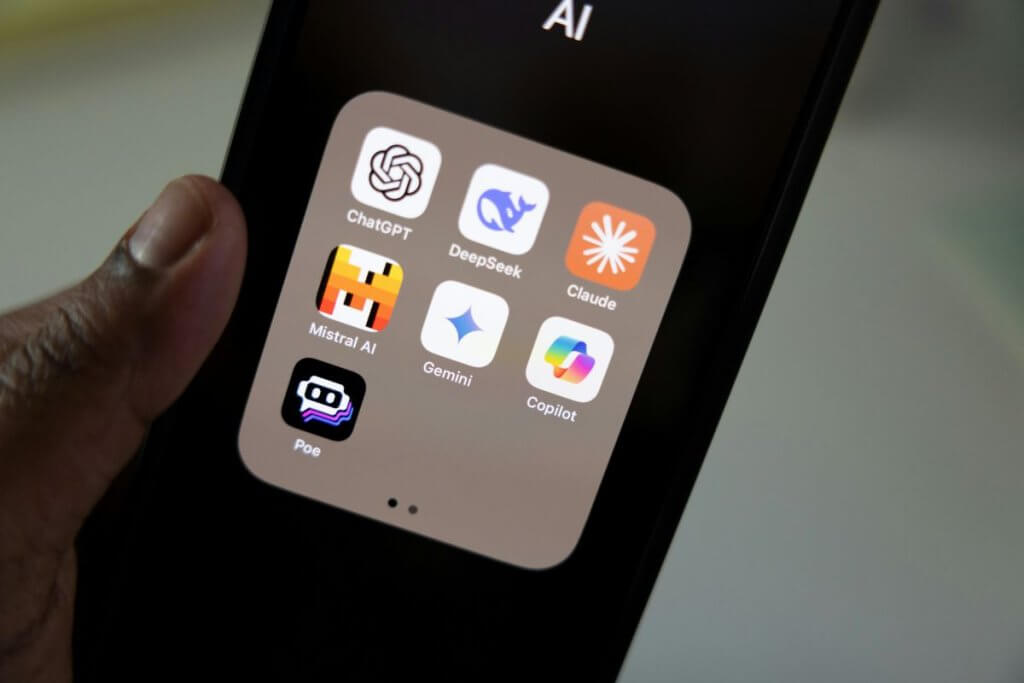
In this situation, Gen AI can be leaned on to unlock new avenues for creative exploration with ChatGPT, Copilot and Claude all useful if you are struggling for a spark. Their algorithms can point you to novel design ideas and artwork based on the input parameters – this in turn can see creatives finding new directions to help them push against the boundaries of traditional design.
From different composition and visual elements to styles, AI analyses vast amounts of visual data to source emerging trends and patterns to offer creatives valuable insights too. These tools can be invaluable for allowing designers to automate a video, images or work out the best readability, alignment or spacing of a design.
Personalised and data-driven design
AI enables the creation of personalised designs, curated to cater for customer preferences.
According to industry reports, a brand like Kraft-Heinz was able to increase engagement by 30 percent thanks to its targeted digital experience.
By analysing user data, AI algorithms can identify patterns and preferences, enabling designers to create tailored assets. These data-driven decisions are based on the latest trends and behaviours, allowing creatives to make the most of any opportunities this presents surrounding customer engagement – the more personalised a marketing asset, then the more effective it can be in communicating an idea or marketing a product.
Study creative computing and ai
If you want to get to grips with the latest innovations and technologies shaping computing, then our Creative Computing and AI degree could be for you.
Our state-of-the-art facilities and expert tutors are well placed to give your career the best possible start in exciting and creative sector.