

The game audio market is experiencing significant, sustained growth, driven by the explosive expansion of the broader gaming industry and an increasing love for high-quality, immersive soundscapes among players.
According to Futuresource Consulting’s latest industry report, the global gaming audio market returned to growth in 2024, with volume rising by 5.4 percent to achieve 40.9m units.
Other stats suggest that the game music sector is projected to grow at an annual rate of 15.5 percent between 2025 and 2033. This expansion is due to the way in which games and their soundtracks have moved away from simple audio beats and loops. Now, companies and entrepreneurs that develop games are creating complex, interactive, and spatial audio worlds for a range of formats driven by an appetite for deeper gaming experiences and a variety of digital audio tools for enhanced music composition.
For students and new graduates, this means a competitive but job-rich landscape that demands a mix of creative talent and strong technical skills. While there are opportunities for remote working and sourcing senior level positions, those wanting to pursue careers in creating audio will need a knowledge of the latest industry tools, video game music trends and an understanding of how to navigate this side of the audio industry.
If you’re looking to get to grips with this burgeoning technical field, then undertaking SAE’s Game and Interactive Audio course at one of our educational institutions will equip you with the latest knowledge needed to realise your ambitions. Get in contact with our team to find out more.
What is fuelling game music growth

The future for game audio professionals, as with so many other creative industries, is being driven by the arrival of new technologies.
Whether you are working on game sound design for your own games, working freelance for smaller studios or on software project management for larger companies, the industry is changing all the time.
The game audio market size was estimated to be $1.2bn (£880m) in 2024 with significant growth forecast for the future, new statistics have shown.
Here are some of the technologies you will need to understand to stay on top of where the industry may be heading next. As you can see, as a game developer for indie games, technical expertise is held in high regard.
Headsets
Immersive and virtual experiences are in high-demand among video game players meaning there is need for state-of-the-art headsets.
According to research, approximately half of all teen gamers prefer spending time with friends in virtual, immersive, and social gaming environments. In this context, an experience’s authenticity is greatly valued with Futuresound suggesting that “consumers remain focused on the immersive and multiplayer features that headsets provide, especially as online competition and team-based gameplay become more mainstream”.
Demand is for player action to be part of these immersive experiences which can be enhanced by headsets and different companies are catering for this – Logitech, Razer and Cosair are among the main manufacturers.
Mobile and Live Service
Since 2014, mobile gaming has overtaken games consoles as the most popular device in UK gaming. In 2024, more than a third of British gamers stated that their phone was their primary method for playing. This is thanks to the proliferation of smartphones and powerful mobile computing technology.
Accessibility is therefore a key driver for game publishers working on these experiences which favour high engagement and non-disruptive experiences for players.
Mobile gaming, which currently accounts for a 40 percent share of the music market, requires continuous updates, creating a steady stream of work for composers and designers. Many game designers are also working on live service games too – these products are often free to play with monetisation built in to the player experience.
Immersive and Spatial Audio production
Technologies like Dolby Atmos and PS5 3D audio are increasingly popular as players strive for greater realism from their playing experiences. Dolby Atmos makes a significant difference for players by creating a more immersive, three-dimensional sound experience. Through this, audio objects move freely around players, including overhead, so sounds can be heard coming from a variety of different directions.
PS5 3D Audio, powered by the Tempest 3D AudioTech engine, is a spatial sound technology that creates highly immersive gaming experiences. Again, this directional sound and ability to locate noises coming from specific spaces enhances the realism of the player experience.
How can studying SAE’s Game Audio degree help?
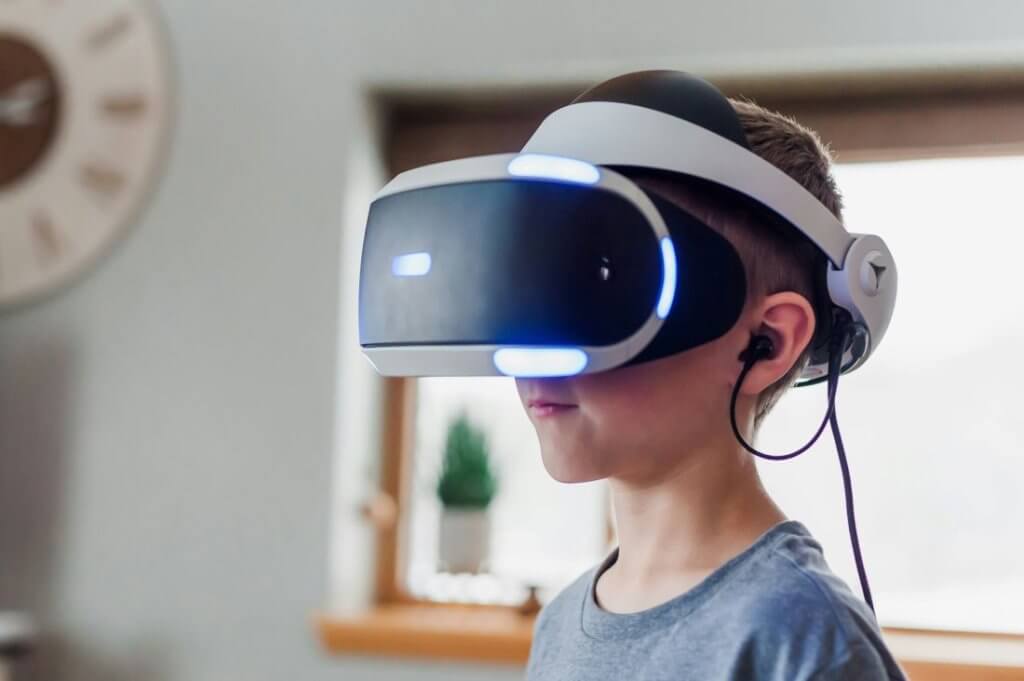
Virtual reality (VR), augmented reality (AR) and extended reality (XR) are continuing to advance with the knock-on effect being a demand for experts who can come up with immersive, responsive and dynamic audio experiences.
SAE’s Game and Interactive Audio course is aimed at supporting this next generation of sound designers and audio developers who can rise to the challenge. Those who study our degree will learn:
- Interactive audio, adaptive sound and middleware integration
- how to build systems where audio responds in real time to gameplay
- Use Unreal Engine, FMOD and Wwise from day one
- Learn Dolby Atmos spatial audio pipelines in real studios
High Demand for Technical Audio Production experts
Increasingly, the video game job market is valuing advanced tech skills from talent with job listings for ‘technical sound design’ doubling since 2020.
Middleware is a form of software that not facilitates the exchange of data between programs but also connects different systems too and a proficiency in this area is now an essential element in the game audio expert’s toolkit. This includes Wwise and FMOD alongside and game engines such as Unreal and Unity.
Those professionals with a wide variety of skills and an adaptable, future-facing mindset are prized – if you know your way around sound design and coding via Python or C#, then you can go far.
As we’ve seen, we are living in the Artificial Intelligence (AI) era and if you know how to integrate this into a workflow so it can speed up your process, then this will also be looked on kindly by employers. From the creation of dialogue to different iterations of sound effects, AI can be used as a collaborative partner when working through tasks.
Shift in Gaming Industry Job Market Structure
The industry is radically changing in terms of how professionals work and are hired too. Statistics from the GameSoundCon revealed that game audio employees are now three times more likely to work for an audio outsourcing company than they were a decade ago.
This means many new roles are with specialised audio engineering experts rather than large, in-house studio teams.
The adaptable nature of game development means there is high demand for freelancers who can quickly orientate themselves within projects, work fast, and bring high-level, specialised skills to smaller-scale games. If you are a contractor who is able to hit deadlines, work across various aspects of game audio and quickly strike up effective working relationships with a new game company or remote teams, then there should be opportunities out there for you.
Career Advice for New Audio Professionals
There are different ways to approach the job market as a game audio professional. This does depend on who you want to work for alongside the types of projects you’re looking to take on. While every role is different and any applications must be tailored for each opportunity, here are some general rules of thumb that should help you progress.
Design a technical portfolio: A portfolio must showcase more than just your ability to come up with engaging sounds. Instead, it must also demonstrate how any audio functions exist within the context of a game. Look to include your best work and consider how these work samples are featured in your portfolio too.
Look for opportunities with smaller teams: When starting out in the game audio industry, seeking opportunities with smaller agencies can be a way to gain invaluable industry experience. This can help you get hands-on experience across various elements of game audio alongside a wider view of how a project is taken from concept to completion.
Network both online and in-person: Many roles within gaming are often filled through networks rather than your traditional job ad listing. It means networking either at conferences or industry events alongside creating a digital presence on professional platforms can help you find opportunities before they are shared with the wider market.
Develop your side hustle for freelance work: An estimated 13 percent of game audio employees do freelance work on the side. For many, this is viewed as a good way to build a portfolio and gain experience.
What are the trending job roles for game audio professionals
There are various roles and opportunities for those who study a degree with SAE. They include the below but audio skills can also be transferred into broadcast, immersive media, events, VR/AR and installation work too. Some of the most popular roles are:
Technical Sound Designer
The work of a Technical Sound Designer involves implementing and scripting sound systems within game engines (Unreal, Unity) and middleware like Wwise or FMOD. They will review any technical or audio issues while simultaneously managing budgets to ensure high-quality audio experiences.
Interactive Audio Programmer
An Interactive Audio Programmer works to bridge sound design and software engineering, implementing, mixing, and optimizing audio assets such as a soundtrack or dialogue between player characters. A knowledge of coding languages such as C++ and games engines will help professionals succeed in this field.
Game Audio Integrator
Game Audio Integrator acts as the bridge between audio design and game engine implementation, ensuring sound effects, music, and voiceover function correctly within a game.
Study SAE’s Game and Interactive Audio degree
SAE’s Game and Interactive Audio degree has been developed in collaboration with key players across the creative industries.
Our state-of-the-art facilities and expert tutors are well placed to give your career the best possible start in exciting and creative sector.