






Insight
From Bedroom Coder to Audio Software Engineer – Your Career Path

Every audio engineering professional has their own career journey, but many of them start in the same way: a bedroom, a laptop, internet connection and a passion for discovering how sounds work.
From getting to grips with digital signal processing (DSP) to working on synth patches and audio tools in music production or as web developers, there are a variety of ways into this exciting sector.
To follow an audio software engineering career path, as part of your learning journey, you will likely develop the tools, plugins, and DSP algorithms that drive modern audio production, gaming, and interactive systems.
Many professionals in this field often bridge music technology with software development (via C++ or Python), creating software for DAWs such as Pro Tools, different types of virtual instruments, and embedded systems. These are all experiences which aspiring music industry professionals can enjoy by studying SAE’s Audio Software Engineering degree.
In our blog, we trace the journey from bedroom coder to engineer and IT manager, some of the essential skills needed alongside advice on how a degree can help prepare you for this tech space.
Interested in joining a course? Contact our team now.
Why Study an audio software engineering Degree

Studying a degree in audio software engineering can be the answer for anyone questioning how to enter this innovative world.
Of course, like so many industries, there is likely to be no typical day and ever since the early years of home computers like the ZX Spectrum or Commodore 64, tech has moved at a rapid rate. Instead, aspiring professionals need to adopt an adaptable and future-facing mindset to navigate this landscape, one that is expected to continue to evolve in the future.
By attending an institution like SAE, you can prioritise a desire for wanting to blend a love for music production with computer science. Amid this are opportunities for students to utilise industry standard tools including Max MSP, Pure Data and Pro Tools. They will have the chance to learn how to design, test and deliver software used by producers, engineers and game developers alongside working on projects connected to real audio companies including Solid State Logic (SSL).
Students should also complete their studies with a portfolio of working prototypes, audio software and inspiring stories to propel them on their industry journey.
Typical Career Path and Roles
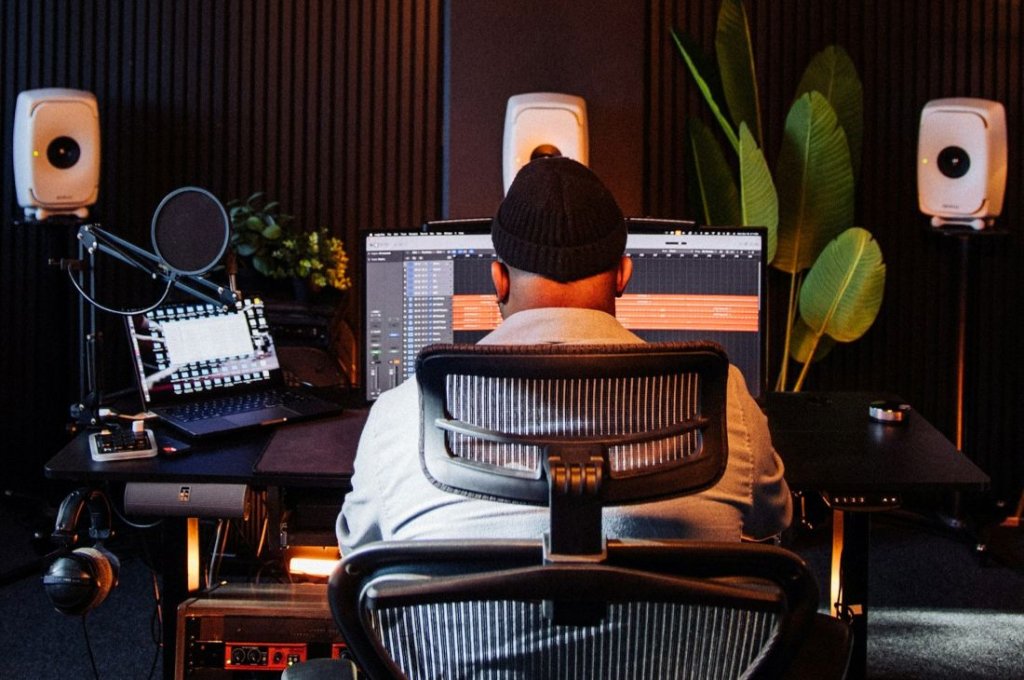
If you’re looking for opportunities within the audio world, in development teams or hoping to secure a sound engineering job, there are a variety of roles you can expect to take on as part of your career.
Of course, acquiring technical skills are a key requirement and have been a must for anyone wanting to work in tech since the advent of the first computer or with early video games.
Entry-Level (Junior Audio Programmer/Developer): Professionals at this level focus on implementing audio features, debugging, and assisting in DSP algorithm development.
Mid-Level (Audio Software Engineer): Those at this stage in their career will likely work on developing more complex plugins, VSTs, or audio engines for games (e.g., Unreal/Unity integration) or audio hardware.
Senior/Specialist (Lead Audio Engineer/DSP Engineer): These experts will be behind designs for advanced audio systems, optimisations for low latency, or specialise in machine learning for audio. They may also be at the head of a team or project for a particular product.
Elsewhere, there are other opportunities that studying a degree will create. You could transition into sound design for games, audio forensics, or embedded software engineering for hardware companies such as SSL.
Core Skills
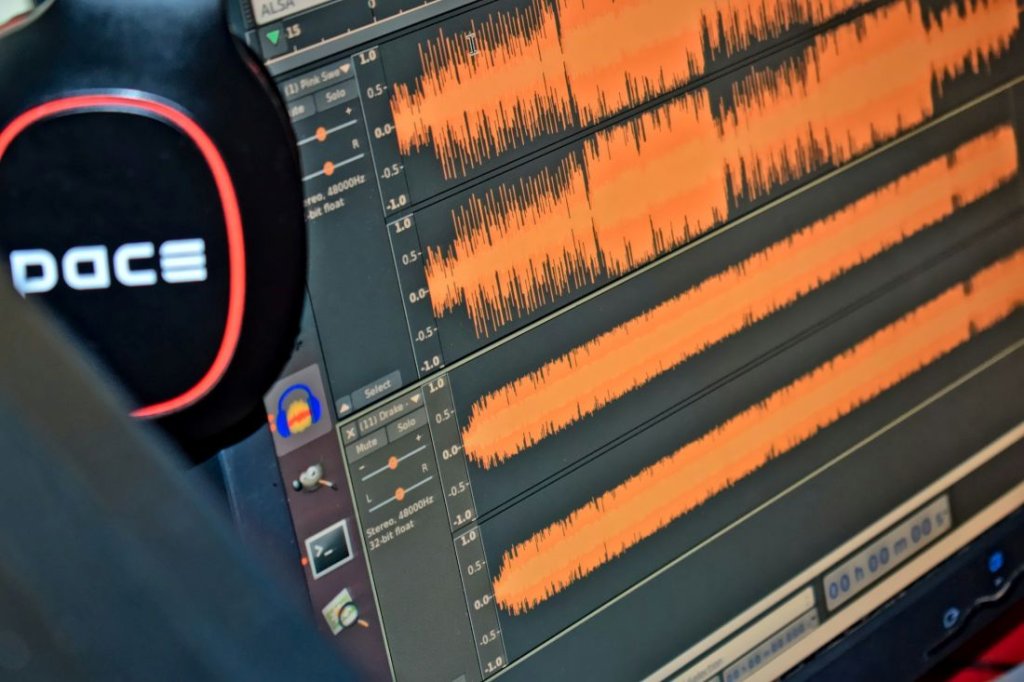
As your projects grow, so will your technical depth and knowledge.
DSP is the manipulation of digitised real-world signals – such as audio, video, temperature, or sensor data – using computers or processors to analyse, enhance, or compress them.
It converts analogue signals into sequences of numbers (1s and 0s) to perform rapid, flexible, and precise filtering, noise reduction, and data manipulation, FFTs, envelopes, and modulation.
C++ and real‑time programming is at the heart of many pro audio tools. C++ is a powerful general-purpose programming language widely used for game development and real-time simulation. Known for its high performance, C++ enables direct control over system resources.
Meanwhile, plugin frameworks such as JUCE are used for developing audio software, GUI applications, and plugins. It is widely used in the music industry to create cross-platform software that runs on Windows, macOS, Linux, and mobile devices.
How to Build a portfolio that opens doors, industry breaks and career changes
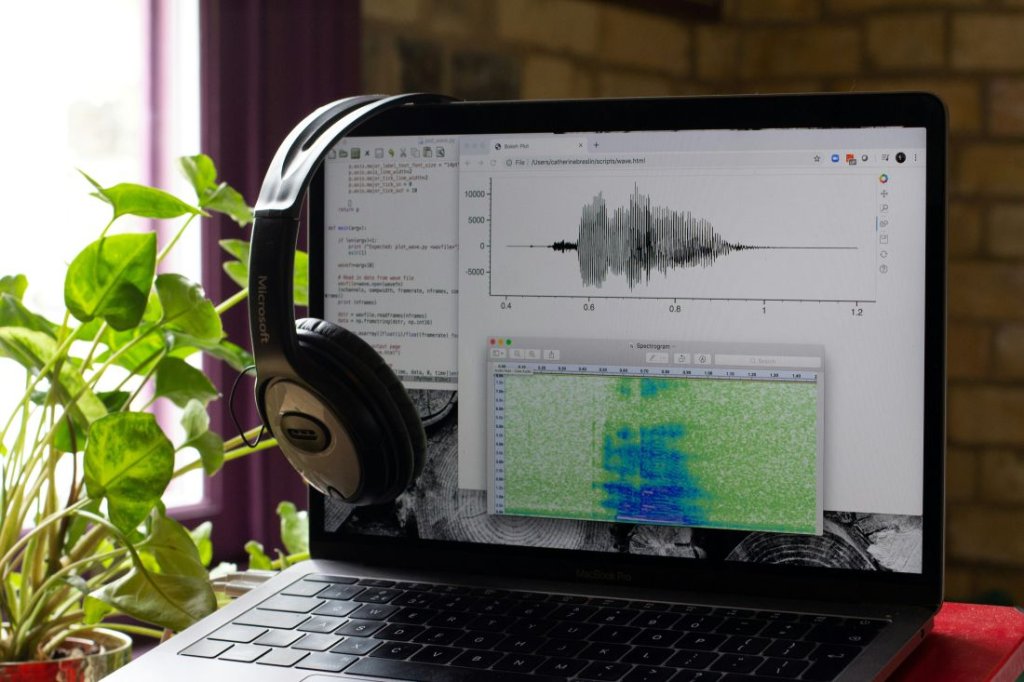
Audio companies care deeply about what you can make and a strong portfolio can go a long way in helping you show your abilities to code and deliver projects.
If you are looking to launch your own venture or join an existing game, you should consider compiling a compelling portfolio. Remember to only feature your best work and tailor any content for each opportunity you want to secure.
A strong portfolio often includes a polished plugin (synth, compressor, creative effect), DSP demo showing your understanding of core algorithms or evidence of contributions to open‑source audio projects.
Your portfolio becomes your shop window to your skill set. Whether gained in a professional work capacity or as a student or via your own venture, being able to demonstrate that you can design, code, and implement is essential.
Breaking into the Industry
The audio tech world is small, collaborative, and surprisingly accessible. Many engineers land their first roles through open‑source contributions, internships or junior DSP roles or working in freelance plugin development.
Networking in audio communities and conference and sharing details of projects on platforms such as GitHub, Discord, or audio forums can help you find jobs and connect with like-minded professionals. Once you’re in, you’ll find yourself working with musicians, sound designers, and other engineers who share your obsession with great sound.
As your career develops, you’ll take on challenges like designing DSP architectures for commercial products, optimising code for real‑time performance or collaborating with UI/UX designers.
You’ll also have responsibility for testing across DAWs and platforms alongside supporting product releases and updates.
Industry Opportunities in Audio Engineering and as Software Developers
So where do opportunities now lie for audio software engineers?
Careers exist in gaming for console/mobile), music software development (DAW/plugins), consumer electronics, automotive audio systems, and virtual/augmented reality (VR/AR). As more technologies appear and grow in sophistication, so will the number of roles and skills needed.
The global DAW market size is expected to double between now and 2034, to reach a value of £5.4bn.
With these forecasts in place, the industry is only going to continue to grow. And from its workforce, it will require constant innovation to ensure talent keeps up with the new technology demands that are constantly appearing.
Study audio software engineering
If you are excited by the creative space where sound meets coding, then SAE’s Audio Software Engineering degree could be perfect for you.
With demand for audio software engineers growing, this course will enable you to explore programming through an audio lens and give you a unique learning experience balancing the technical with the creative.