



Immersive realities and mixed media are just some of the creative innovations fuelling the advancing technological world.
Artificial intelligence (AI), virtual reality (VR) and other immersive and interactive experiences are attracting investment, seeing widespread adoption and changing our lives at a rapid rate. This is why SAE launched the Creative Computing and AI degree, to respond to the need for creative talent and the specialised skills required to shape these changing digital environments.
The financial numbers surrounding the innovations influencing virtual worlds are staggering. The global VR solutions market size was valued at $16.32bn (£12.4bn) in 2024 and is projected to grow to $123.06bn by 2032.
The combined AR/VR training and immersive learning market is growing fast too: as of 2025, the AR/VR–education sector is estimated at $27.1bn globally. Training, education and patient care in healthcare is changing while retail is also evolving with virtual stores and immersive simulations enhancing customer engagement, alongside improved operational efficiency via innovative solutions for employee training.
In our blog, we explore the new tech, the opportunities afforded by these intuitive interfaces as an early adopter and why studying a degree can open up career paths in key industries.
Contact our team to learn more about our courses and how studying can help you elevate your ambitions.
What are the new technologies in the creative industries?

From improving efficiency to enhancing communication and driving innovation, new technologies have the potential to overhaul industries, solutions and digital worlds.
Different technologies have emerged and seen a significant increase in their adoption within various sectors, including generative AI, mobile AR applications, VR experiences, visual effects extended reality (XR), projection mapping and application development. While SAE’s Creative Computing and AI degree can be tailored for individual preferences, it has AI embedded throughout to make the course truly unique.
Some of the key new technologies include:
VR technologies
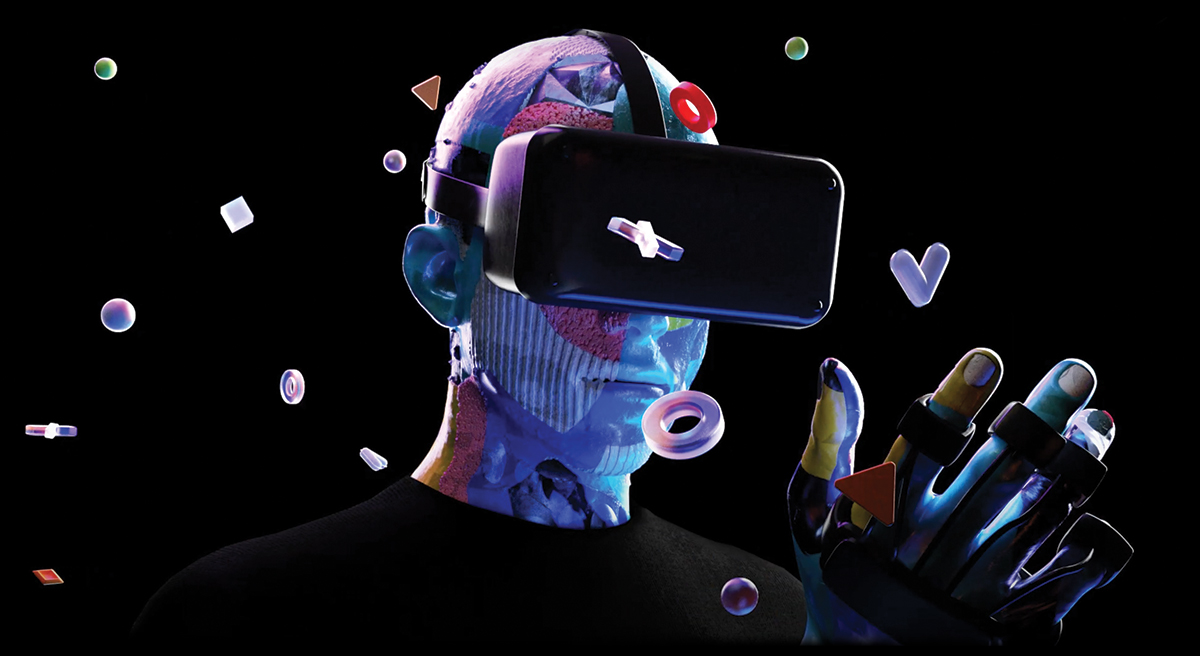
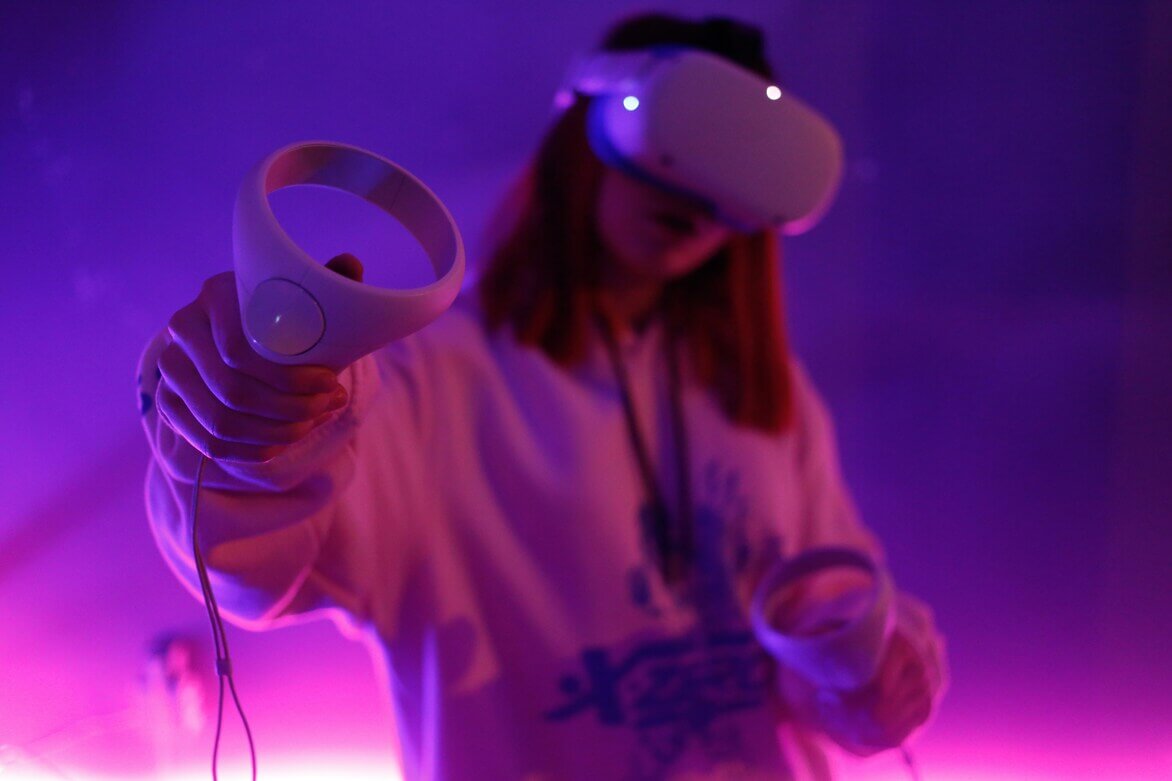
VR is a computer-generated, immersive, three-dimensional environment that users can experience and interact with through specialised hardware like a headset. VR solutions can be embedded within training programmes while they are also prevalent within gaming industry experiences too.
AR
AR, or augmented reality, is a technology that overlays digital information like images, sounds, and text onto the real world, to enhance the user’s perception of reality. It differs from VR as it adds to the real world rather than replacing it with a completely digital experience.
Artificial Intelligence
AI is the ability of a computer system to perform tasks that typically require human intelligence, such as learning, problem-solving, and decision-making. AI uses algorithms to process large amounts of data, identify patterns, then make predictions or judgments. Many of us will have utilised ChatGPT or Copilot to assist with tasks or projects.
What are the skills in high demand?
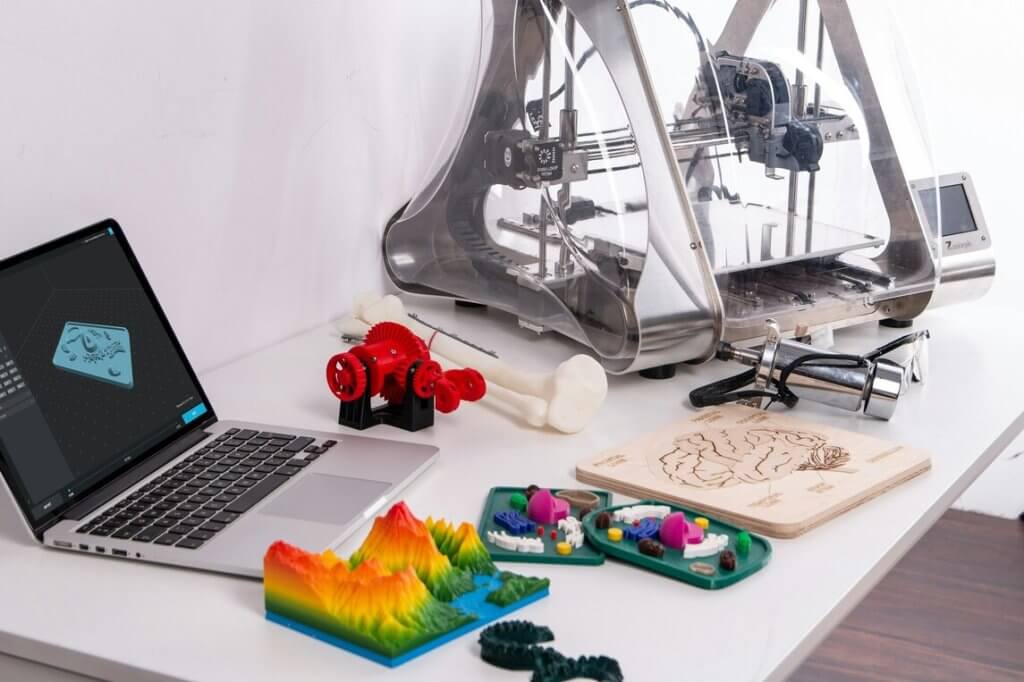
With this growth in AR and VR technologies comes a shift in the skills employers value. Of course, soft skills within roles in the creative and tech industries are a must but there are also other core abilities required within virtual production too. Some include:
3D modelling and graphics/rendering expertise: Tools like Unity, Unreal Engine, 3D-modelling and animation software are an important part of the creative technologist’s toolkit.
Content creation and storytelling: Whether you work in e commerce or are looking to implement AR to enhance a training simulation, your ability to design an authentic story with digital content is invaluable. From games to marketing campaigns, content creation is key and will continue to be so as digital worlds become increasingly immersive.
UX/UI design for immersive experiences: Designing immersive experiences that engage with users is at the heart of the creative technologist’s role and is essential when crafting 3D or VR spaces. Users value an intuitive and smooth interface and is a must if this is going to feel authentic.
Software development and spatial computing: To build responsive, interactive AR/VR environments will require knowledge of the latest software, AI platforms and trends, all of which can be followed through studying a course.
Why do we need these skills?

AR and VR are becoming important change enablers as businesses look to boost consumer experiences, increase operational efficiency, and provide immersive training.
Digital spaces have clearly changed at a rapid rate, accelerated by the global pandemic and the switch to remote work.
Ultimately, engagement is what brands and businesses are looking for – the more realistic and authentic, the more likely consumers will invest in a product or service. By leveraging AR or creating immersive digital environments, a new level of interactivity and realism can be created that not only transforms the user experience but deepens the connection between a business and its audience.
Although some in the creative industries see AI as a threat to their livelihoods, it’s important to recognise AR and VR as an opportunity to be embraced. Of course, it’s equally important to stay informed of the latest developments and issues but also be willing to adapt – those with a future-facing mindset and an appetite for using new technologies to enhance what they do will be those who continue to succeed within our creative industries.
What is driving innovation?

There are a range of tools and trends that are currently shaping content, creativity and beyond.
Some of the most influential at this moment include:
Immersive technologies (AR and VR): As we’ve already seen, AR and VR are having a significant impact on audience experiences in gaming, film, advertising to education and live events. For example, In Pursuit of Repetitive Beats is a VR-based ‘rave’ experience which allows participates to journey back to the heyday of acid house to experience a warehouse party. ABBA Voyage is one of the most well-known examples in the live music industry with the event featuring digital avatars of the band performing their greatest hits.
Generative AI: AI tools (like ChatGPT and Copilot) are transforming content creation, design, and storytelling, serving as a collaborator in the creative process. AI can generate unique media, reduce production costs, and personalise user experiences, streamlining the creative process. This is where some creatives are sceptical about AI and view it as a potential threat to livelihoods. But those who are savvy will view it as a game-changing creative partner that can speed up certain processes and methodologies.
Government investment: The potential of these technological innovations has been recognised by the authorities as a driver of economic growth and is being treated as an opportunity by the UK government. In the UK, AI Growth Zones will receive £5m of government funding to help transform local economies and communities. As part of its Modern Industrial Strategy, the government will act as a ‘first customer’ for promising UK start-ups who are building high-quality AI hardware products with £100m in support available.
Digital content consumption rising: In recent years, much of our cultural content consumption has shifted online, in part driven by the restrictions of the pandemic alongside access to high speed online networks. According to stats, The amount of data generated worldwide has soared from 2 ZB in 2010 to a huge 64.2ZB in 2020 – which is reportedly more than the number of detectable stars.
Democratisation of online Tools: Amid our digital landscape, there are a range of emerging technologies and established tools to help content creators take advantage of any virtual environment. From audio software such as Audacity to Canva, Adobe Express, CapCut and Google Docs, there are various open-source and free pieces of software available to enhance work flows, collaboration and more.
What’s Next – The Future of Creative Tech
What will happen to the sector next and how will creative technology change?
Users will see an ongoing wave of intelligent, adaptive, context-aware immersive experiences as opposed to non-interactive installations or exhibitions. This will become the norm rather than being unusual in our entertainment industries.
Elsewhere, VR-led training applications will see widespread adoption across various sectors with collaborative tools, work virtual environments and remote teams utilising dynamic new tools and workflows. In healthcare, medical students will be able to carry out surgical training through VR experiences. Large offices may no longer be needed with businesses instead looking to save costs by enabling skilled professionals to collaborate through shared virtual spaces. There will also be an increasing demand for professionals with diverse skills who can navigate the creative and technology domains with aplomb.
To stay on top, honing a curious and adaptable mindset is a priority and can be achieved through studying a course too. Good luck!
STUDY creative computing and ai
If you want to get to grips with the latest innovations and technologies shaping computing, then our Creative Computing and AI degree could be for you.
Our state-of-the-art facilities and expert tutors are well placed to give your career the best possible start in exciting and creative sector.