

Insight
Adam Parkinson- Audio Production
#NextGenCreatives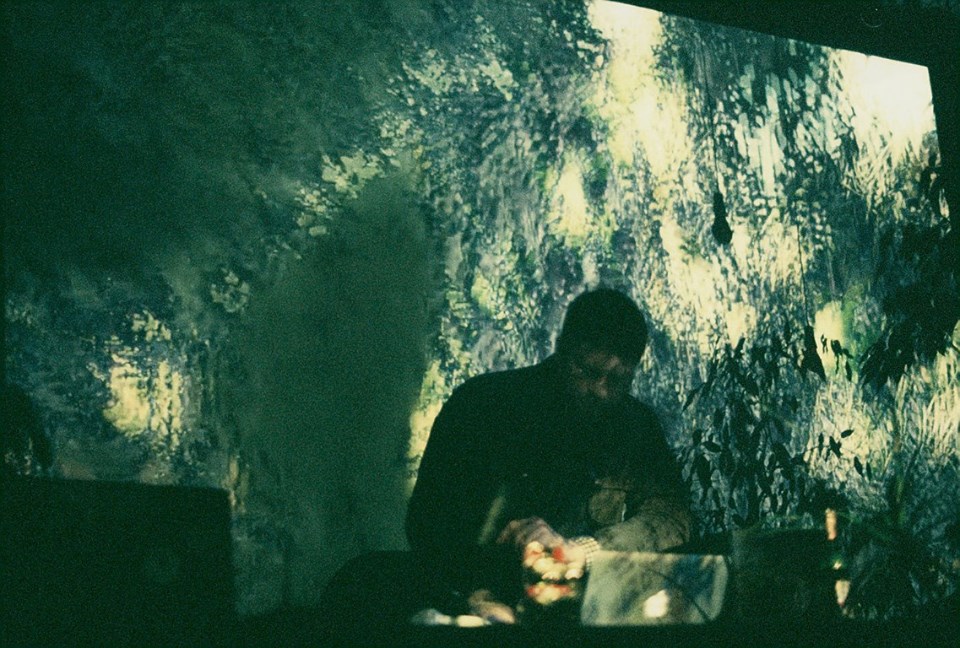
Creativity, Code and the Future of Sound
The modern audio industry no longer fits into one simple category. Today’s sound professionals might move between music, advertising, galleries, theatre and software, sometimes all within the same year.
In an interview with Adam Parkinson, a sound designer, creative coder and lecturer in sound design and music programming, he describes a career that blends technology, art and experimentation in equal measure.
“I’m really interested in making art with computers,” he says. “Sometimes that’s releasing music, sometimes it’s interactive installations, and sometimes it’s sound design for brands or galleries.”
His work spans commercial projects, cultural institutions and experimental installations, reflecting how wide the modern audio landscape has become.
From fashion exhibitions to interactive sound walks
Parkinson has worked with the creative company A New Plane, founded by photographer Nick Knight and digital designer Tom Wandrag. Through that collaboration, he contributed soundscapes to a major exhibition at the Metropolitan Museum of Art in New York.
The project formed part of the 2024 exhibition that opened the Met Gala, allowing visitors to interact with fragile historical garments through immersive digital installations.
“I created soundscapes inspired by Hitchcock’s The Birds to accompany an Alexander McQueen piece,” he explains.
He has also produced sound design for a Nike campaign, audio for the Serpentine Gallery’s podcast, and an interactive sound walk along the Thames for the Rose Theatre Trust.
“Some of the work is conventional composition,” he says. “Other projects involve software development and programming to create something immersive or interactive.”
For Parkinson, the boundaries between composer, developer and designer are increasingly blurred.
Making music with algorithms
During a recent workshop with SAE students, Parkinson introduced the concept of generative music, compositions shaped by algorithms, data or chance.
The session explored historical examples, from church bell ringing patterns to the experimental works of composer John Cage, as well as modern tools that allow computers to generate melodies and rhythms.
“It was about introducing elements of chance into music,” he says. “So instead of pressing a button and hearing the same thing every time, you create systems that generate new ideas.”
Students experimented with software that turns data into sound and uses algorithmic processes to build beats in real time.
For Parkinson, these approaches are less about automation and more about creative exploration.
“They give you new things to work with,” he says. “New directions you might not have chosen yourself.”
Where AI fits into the creative process
Like many people working with technology and sound, Parkinson has been asked whether AI will replace musicians.
He sees it differently.
“AI is just another tool,” he says. “Historically, musicians have always taken new technology and used it in ways it wasn’t designed for.”
He points to examples such as the TB-303, originally designed as a bass accompaniment machine, which later became the foundation of acid house music.
“I think AI will lead to new creative forms,” he says. “Not just automation of what already exists.”
However, he is sceptical of the idea that AI can shortcut the creative process.
“One of the interesting things about making music is the struggle,” he says. “You spend ages making things that sound terrible, and eventually something works. That process is meaningful.”
For him, creativity is not just about the final product, but the journey it takes to get there.
Does analogue still matter?
With powerful software available on laptops and tablets, the role of analogue hardware is often debated. Some see it as essential. Others view it as unnecessary nostalgia.
Parkinson takes a more balanced view.
“People once thought analogue was obsolete,” he says. “But now we’re adding analogue-style warmth back into digital tools.”
He believes high-end studio equipment still has a place, both for its sound and for the tactile experience it provides.
“It’s valuable for students to use things like Neve or SSL desks,” he says. “That hands-on experience changes how you work.”
At the same time, he is equally comfortable producing music on a laptop with headphones.
“I like the fact that I can pick up my studio, put it in a bag, and work anywhere,” he says. “Everything has its place.”
Learning through failure
When asked about the value of formal study, Parkinson highlights something often overlooked, the importance of failure.
“You learn more from failures than successes,” he says. “You have to explore different tools and workflows to figure out what actually works for you.”
University provides a structured environment to try those approaches without the pressure of commercial deadlines. It also exposes students to a wider range of technologies and creative perspectives.
“It’s about being exposed to all these different ways of working,” he says. “Then you figure out what resonates with your own creative approach.”
That experience also helps when entering the job market.
“The more tools and workflows you’ve used, the better your chances,” he says. “You can say, yes, I’ve worked on a large analogue desk, or I’ve produced in Ableton, or I’ve programmed audio systems.”
More than just a career path
For Parkinson, the value of a degree goes beyond preparing students for a specific job.
“A degree in sound doesn’t even have to lead directly into a career in sound,” he says. “It teaches critical thinking, analysis and problem-solving. Those skills are valued everywhere.”
At the same time, specialist courses that combine creative practice with technical skills, such as audio programming or game audio, can open clear paths into industry.
“They let you develop your creative work while building specialist technical skills,” he says. “And those skills are in demand.”
Study Audio Production at SAE
If you’re serious about building a career in audio production, the environment you learn in matters.
SAE’s Audio Production courses combine technical training, hands-on studio experience and industry insight, helping students develop not only their engineering skills but their creative identity within a rapidly evolving music industry.