


Insight
Audio Plugin Development | Success Stories and Industry Insights
Music production, audio software and software development are all rapidly evolving as tech becomes more sophisticated and audio professionals are empowered to develop their own innovations.
The audio software industry is worth a significant amount – as of 2025, the global audio plugins market was recorded as $1.26bn (£1bn) and greater growth is anticipated by market forecasters. One of the ongoing seismic shifts is music producers and sound designers moving from general-purpose virtual instruments and audio effects to coming up with their own bespoke features and tools.
Which is where SAE’s Audio Software Engineering degree comes in. If you’re a lover of audio technology and want to create your own innovative plugins and tools attractive to independent musicians for their home recordings, then this could be the perfect course for you.
Studying our degree will equip with you an advanced knowledge of how audio tools, digital signal processing (or DSP), effects and plugins work alongside the programming expertise and knowledge of interactive systems you need to bring them to life.
Contact our team to find out about our course and read our blog for more insights on the audio plugins industry, how it is evolving and the future opportunities this creates.
Audio Software Development
In the past, finding success via recording and releasing music required access to studios, equipment and hardware, often inaccessible for DIY creatives. Dedicated mixing consoles and the use of tape made recording not only expensive but also only for those with the budgets and tech expertise to match.
Fast forward to today and the music production landscape is radically different.
Improvements in the sophistication of consumer computers has led to the advent and widespread adoption of digital audio workstations (DAWs) such as Ableton Live, Pro Tools and Fruity Loops. Rather than needing physical space, the creation of musical ideas and projects can now happen within a laptop, meaning more musicians can come up with their own tracks regardless of location or financial resources.
Companies like Native Instruments and the launch of platforms such as Splice have created plentiful new opportunities for music makers. However, now users, producers and sound designers are demanding more from their plugins, sample libraries and audio tools. Rather than mass-market and commercially available sounds and software, artists are seeking more niche and personalised platforms to help them stand out.
The indie creator – How home studios and digital audio workstations have shaped audio software
The Beatles are synonymous with London’s Abbey Road recording studios, a grand and inspiring building where they explored their creative process, invested time and resources into their musical development and wrote the songs that gave them a fanatical global audience.
The music industry has now significantly changed since those early days of pop that the Fab Four revolutionised with many of contemporary’s music biggest hits and artists utilising the great opportunities created by technology like DAWs.
Billie Eilish and her brother Finneas made the breakout track, Ocean Eyes, and the accompanying album, When We All Fall Asleep, Where Do We Go? in a bedroom studio using a limited palette of gear.
Likewise, Lorde and her hit Royals was made in a similar environment, using a laptop and basic interface for the track’s sound design. Kendrick Lamar’s producer Steve Lacy went one step further by creating the beat for the rapper’s track, Pride, on his iPhone.
Sabrina Carpenter’s ubiquitous 2024 moment Espresso was famously built around samples sourced from the Splice platform and has sparked great debate around its use.
Audio plugin development success stories
While big businesses such as Native Instruments, Slate Digital and Wave Audio are leading growth in the audio software industry, DIY creatives and smaller business ventures are also having an impact with their own audio plugins.
The increased sophistication technology, the internet and arrival of artificial intelligence (AI) has had a two-fold impact on music production. While it has enabled those with limited skill sets to embrace the music-making process and develop their own sounds, there has also been some concerns about the sheer volume of music available.
According to Luminate (the entertainment market monitor and insights provider that was once known as MRC Data and Nielsen Music), an average of 120,000 new music audio files were added to music streaming services every day during the first quarter of 2023. It’s clearly an increasingly tricky environment for aspiring musicians, artists and bands looking to develop their sound and find an audience.
In this crowded music market place, music producers are looking for sounds, effects and virtual instruments that will help them stand out from the crowd. One way forward is to learn audio plugin development so you can create your own tools, completely own the music-making process and produce unique sounds unavailable to anyone else.
Industry Success Stories & Trajectories
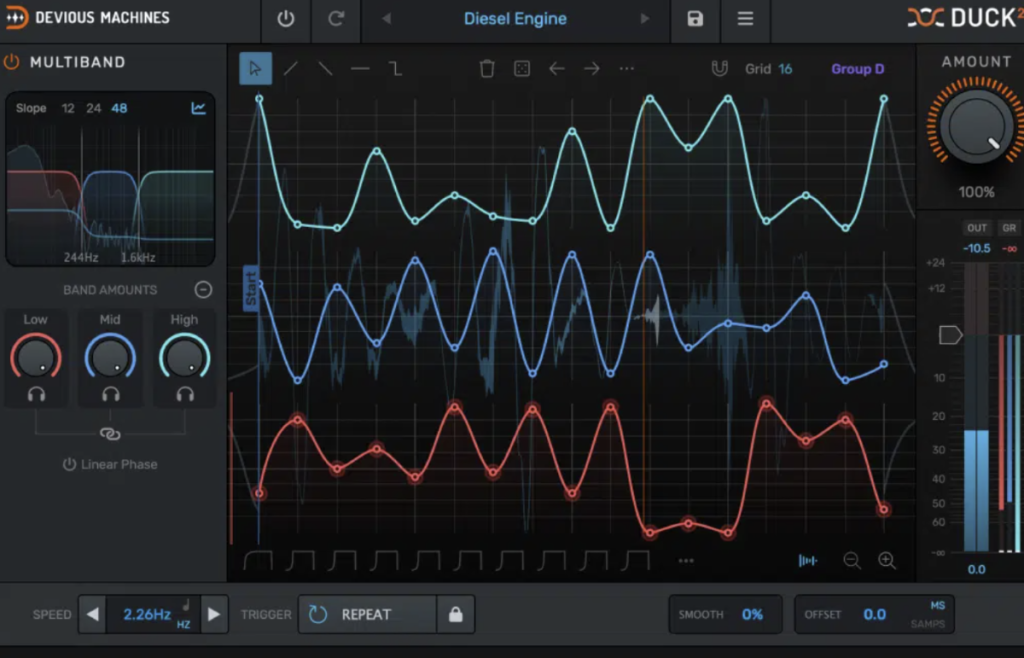
Here are some of the audio software developers that have managed to enjoy success with their plugins and sound effects.
Founded in 2017 out of a shared passion for electronic music, Devious Machines are British developers of cutting-edge creative software for the modern musician and sound designer. Led by Jim Credland and Dom Smart, they capitalised on the need for creative and characterful distortion audio tools. Duck 2 focuses on sidechaining and volume shaping while Pitch Monster is useful for pitch effects.
oeksound was founded in 2016 by Olli Keskinen after several years of research on a set of signal processing techniques that materialised in Soothe, the company’s first plugin.
The solutions that made it unique also laid the foundation for oeksound’s future plugins, like Bloom, Spiff, and now Soothe3.
Launched by Grammy-winning mix engineer Jesse Ray Ernster and developer Ed Lucciola, Mixland turned tactile, character-driven analogue models (like the Rubber Band compressor) into top-sellers by leaning on endorsement marketing and artist-led feature sets.
As the company says, “Mixland is passionate about defying the “norms” of audio and record-making. We are obsessed with forging new tools and paths within this space”.
Felt Instruments is a sampling label, with a mission of bringing instruments that time forgot to a new generation of musicians and composers.
The company is billed as a one-man sampling studio aimed at helping more musicians and composers develop their own unique sounds. When investigating its product range, producers and music makers will find unexpected articulations and sounds from rare instruments, each one captured with vintage analogue kit to give all the imperfections a chance to shine.
Study audio software engineering
If you are excited by the creative space where sound meets coding, then SAE’s Audio Software Engineering degree could be perfect for you.
With demand for audio software engineers growing, this course will enable you to explore programming through an audio lens and give you a unique learning experience balancing the technical with the creative.