







Insight
What Audio Employers Want | Essential Skills for Software Engineers
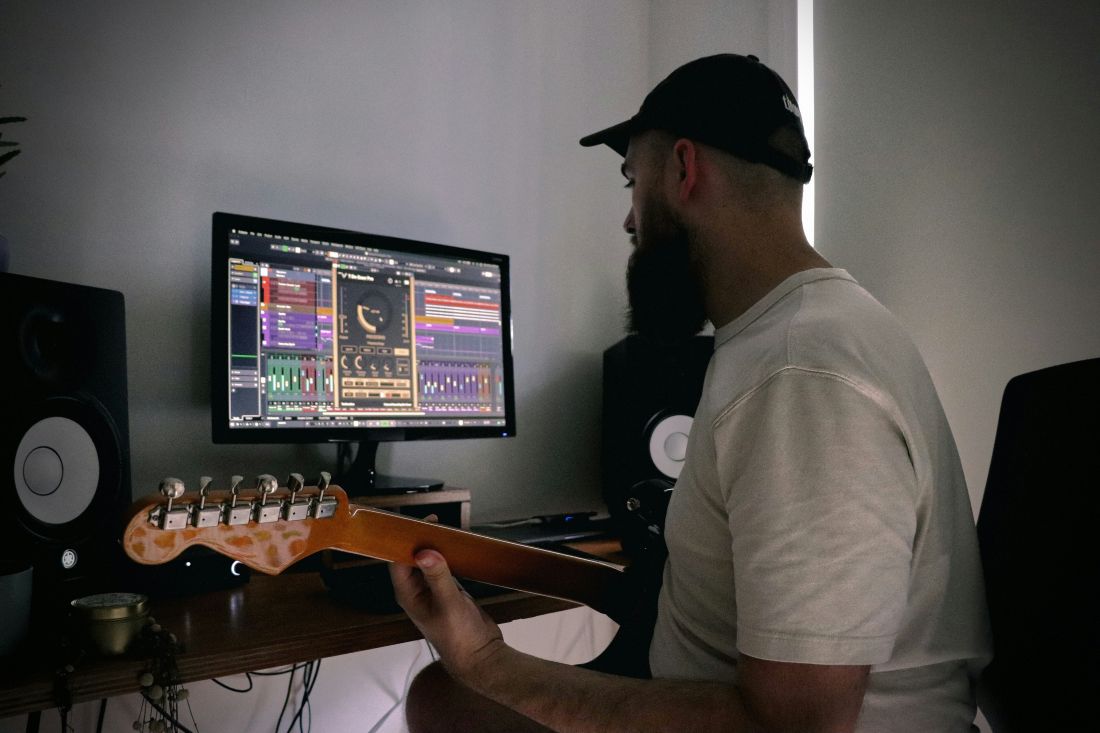
The world of audio software engineering is, like so many sectors at the intersection of creativity and technology, changing all the time.
As a result, the key skills required from aspiring professionals wanting to work in development teams are always evolving too. Launching a career within this tech space involves a variety of tools, from being well versed in plugins and audio engineering to understanding the latest trends in software development and how sounds work.
The music making landscape is now global, with millions of producers, content creators and influencers wanting to convey their vision either online or in-person. Music-making and recording platforms are a major factor in enhancing their content and their careers, resulting in more opportunities than ever for those with the essential skills to help make these visions a reality.
But with this demand for content and audio, what is the technical know-how required from software developers wanting to succeed?
Our blog will delve into the latest skills outlined in job listings, how our Audio Software Engineering course responds to these new demands alongside how to attract employers. If you want to join us, then contact the SAE team now.
Why Studying an Audio Software Engineering degree can help Advance a Career
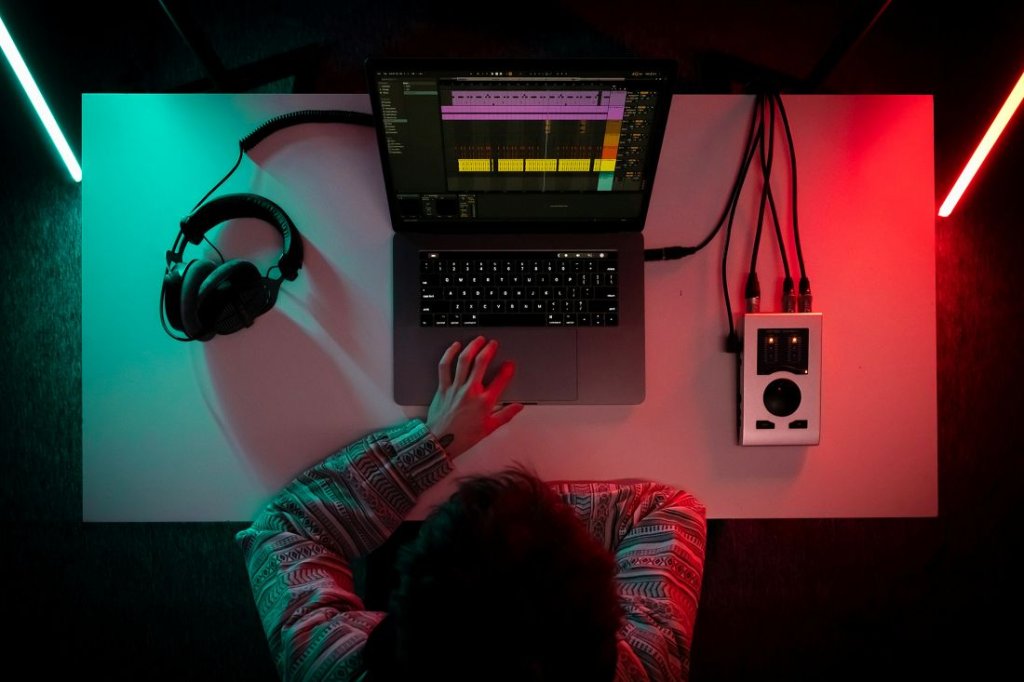
Modern music industry production is a creative space that has changed dramatically during the last twenty years.
The advent of the digital audio workstation (DAW) led to the democratisation of the traditional recording sector. Rather than needing a hefty budget to rent a recording space as in the eighties or nineties, the arrival of powerful home computers and cheap or even free music production software has opened the floodgates to creatives.
Now, anyone familiar with basic IT capabilities can make music from anywhere in the world – and the demand for audio tools to help elevate music making is growing all the time. The size of the global audio plugins market was recorded as $1.26bn in 2025 (£1bn). Sector growth is projected to touch $2.51bn by 2033, according to an audio plugins market research report.
Amid this landscape, studying the language of coding and software development can give you a thorough grounding in the basics needed to help you further your career. By taking on a degree like SAE’s Audio Software engineering course, you can learn from top industry professionals, hone your skills on industry-standard facilities and get to grips with all of the latest trends and platforms around music theory and software system architecture.
What are the essential programming languages and key skills

In software development, there are a number of core programming languages, tech principles and audio software platforms that will provide the foundation to a successful career.
Having knowledge of the potential for these skills to solve problems and enhance different audio software projects will help you stand out when competing for a job.
Digital Signal Processing
DSP is the manipulation of digitised real-world signals – such as audio, video, temperature, or sensor data – using computers or processors to analyse, enhance, or compress them.
It converts analogue signals into sequences of numbers to perform rapid, flexible, and precise filtering, noise reduction, and data manipulation, FFTs, envelopes, and modulation. It is an essential requirement if you are to work on plugins as this core process is used to manipulate, generate, and process audio samples in real-time. Experience with DSP on embedded platforms is a major plus for hardware-focused companies.
C++
C++ and real‑time programming is at the heart of many pro audio tools and is a powerful general-purpose programming language widely used for game development and real-time simulation. Known for its high performance, C++ enables direct control over system resources.
Plugin frameworks
Frameworks such as JUCE are used for developing audio software, GUI applications, and plugins. This is widely used in the music industry to create cross-platform software that runs on Windows, macOS, Linux, and mobile devices.
Familiarity with DAWs
Experience using professional DAWs (e.g., Ableton Live, Pro Tools or Logic) is highly regarded to understand the end-user environment.
How to Impress Audio Engineering Employers
Software developers can come up with a range of different ways of showcasing their knowledge, essential skills and aptitude for a particular role or opportunity.
Build a Portfolio
A strong portfolio with examples of personal projects, such as a custom VST plugin, synth, or a DSP demo, can be essential if you are want to demonstrate your abilities with audio software or the latest programming knowledge.
Contribute to Open Source
An open-source software project is a collaborative initiative where the computer program’s source code is made publicly available for anyone to inspect, modify, enhance, and redistribute. Contributing to audio-related open-source projects shows practical skill.
Troubleshooting Ability
Being able to look at a malfunctioning hardware/software chain and isolate the issue is a prized attribute too. If you can demonstrate this as part of a portfolio, then this will be impressive to any would-be employers.
Soft Skills and Working Style
Soft skills can help those wanting to impress when applying for a position alongside your tech skills and ability to attract the attention of any potential collaborators.
Problem-solving is a key ability. If you can find creative solutions to technical challenges, such as debugging complex audio glitches like clicks, pops, or buffer skips during testing code, this is highly valued by engineers.
Employers often seek candidates who are actively interested in music technology and audio quality and have a genuine passion for what they are looking to dedicate their careers to. Being able to demonstrate this in an interview or application can help you stand out.
The ability to work in fast-paced studio or live environments as part of a team is also a huge bonus.
Many audio programmers frequently work alongside other developers and sound designers, requiring strong collaboration and communication skills. Being able to relate to and get along with others can also make you attractive to anyone recruiting for new talent.
Study Audio Software Engineering at SAE
If you are excited by the creative space where sound meets coding, then SAE’s Audio Software Engineering degree could be perfect for you.
With demand for audio software engineers growing, this course will enable you to explore programming through an audio lens and give you a unique learning experience balancing the technical with the creative.