




Insight
Andrea Gobbi – Audio Production
#NextGenCreatives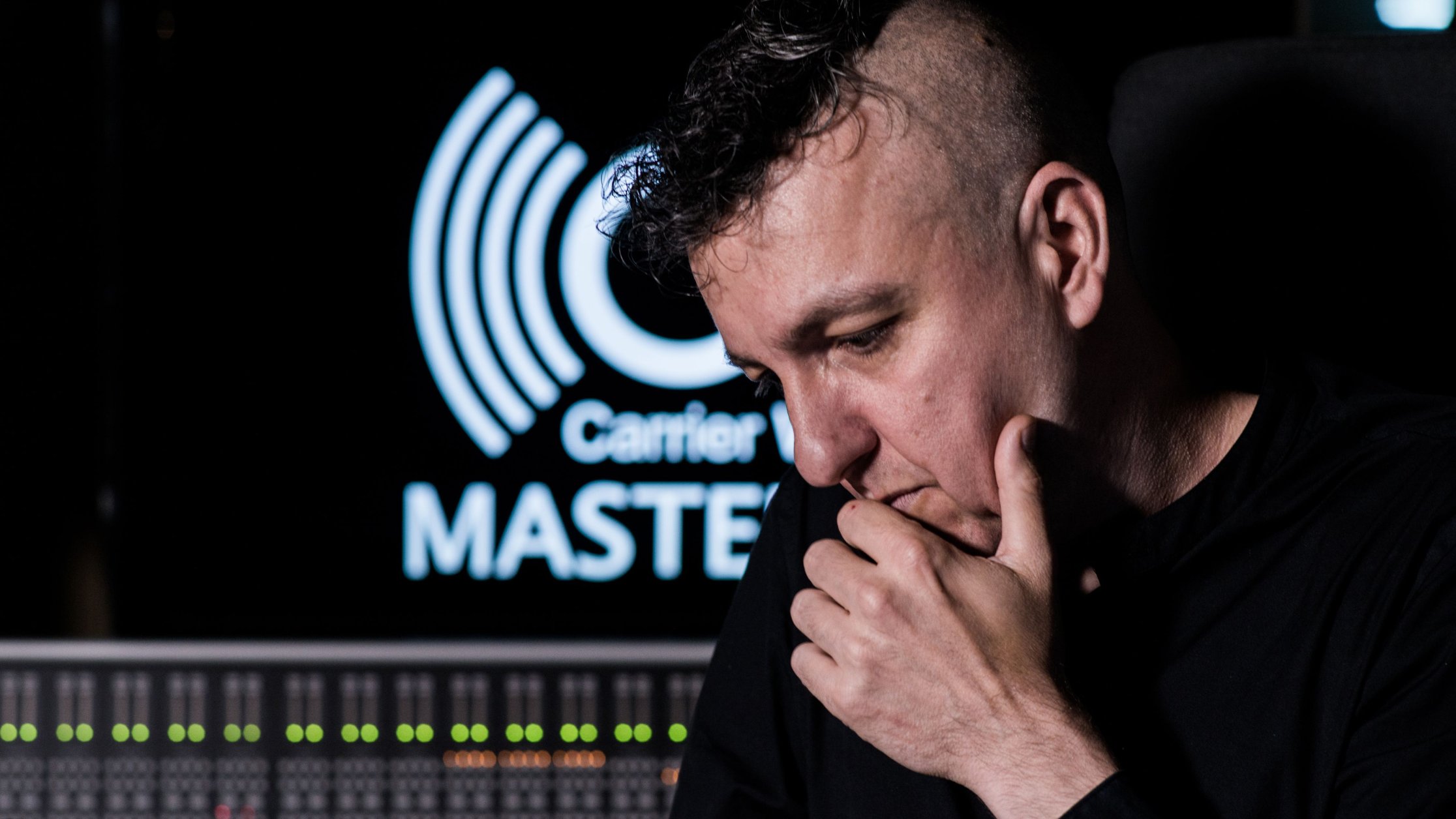
Why Audio Producers Have to Be More Than Just Engineers Now
The path into audio production no longer follows a single route. Large commercial studios are rarer, artists can record high-quality material at home, and the traditional model of a band spending months in one studio has largely disappeared.
In an interview with producer and engineer Andrea Gobbi, he explains that while the tools and workflows have changed, the mindset required to succeed has become more demanding, not less.
Gobbi began by producing his own music, learning instruments, layering parts and figuring out how recordings fit together.
“It started with recording my own music,” he explains. “Playing one instrument, then another, then putting it all together.”
That musical curiosity led him into engineering and production work with artists including Glasvegas, Ross Ainslie and orchestral crossover projects recorded with major ensembles.
But what defines his career is not just studio work. It is flexibility.
The studio is no longer the centre of everything
One of the biggest shifts Gobbi has seen is the fragmentation of the production process.
“It’s not like a band comes into the studio and records an album start to finish anymore,” he says.
Instead, artists often build tracks at home, bring stems into a studio for refinement, record vocals separately, then return to mix in stages. Multiple projects run simultaneously. Work moves in bursts rather than long sessions.
Because artists can achieve strong results at home, the modern producer must offer something more than access to equipment.
“You have to understand how you fit into that environment rather than fight it,” he explains.
For Gobbi, that has sometimes meant helping artists build their own home studios, even if it initially reduces studio bookings. The long-term result, however, is stronger collaboration and better-quality material arriving at the studio stage.
One skill is not enough anymore
Gobbi’s career spans studio production, mixing, mastering and live sound. Those worlds now overlap more than ever.
A recent orchestral project he worked on began with mixing for television, led to recording an album with a major symphony orchestra, and then expanded into live sound work for touring performances.
Each opportunity fed the next.
“You need to join up the dots between one side of the industry and the other,” he says.
Very few people, he believes, leave education and step directly into a single permanent studio role.
“I don’t know anyone who just came out of college, got a studio job, and that was it,” he says.
Instead, careers are built through adaptability, networking and filling gaps in the market.
Word of mouth still wins
Despite the dominance of streaming platforms and digital distribution, Gobbi believes the industry still runs on reputation.
“It’s recommendations,” he says. “People knowing that you’ve been relevant to those productions.”
With physical album booklets largely gone, credits are less visible than they once were. Gobbi now actively requests proper credits and tagging when projects are released, ensuring that his contribution remains visible in a digital landscape.
At the core of that visibility is skill.
“Developing your skills is essential,” he says.
But skill alone is not enough. Producers must also develop a recognisable approach.
“You need to not be afraid to have your own stamp on how things are done,” he explains.
That stamp, whether sonic or personal, is often what leads to repeat work.
Find your sound, then say yes
When Gobbi speaks to students, his advice is direct.
First, find your own approach.
Copying others can be a useful starting point, but only as a stepping stone.
“If I try to emulate someone’s snare sound, I’ll never get it exactly the same,” he says. “But in trying, I’ll find my own way of doing it.”
Second, be open.
“Being a yes person has helped me in so many occasions,” he says.
Strange requests, unexpected creative turns and evolving projects are now part of the job. A project that seems finished can suddenly expand with new arrangements, choirs or additional recording sessions.
The instinct may be to resist. Gobbi suggests leaning in.
“Try and see how it’s possible,” he says. “Something cool will come from it.”
For him, that balance, developing a unique sound while remaining adaptable, is what defines the modern audio professional.
The tools may have changed. The expectations have not.
Study Audio Production at SAE
If you’re serious about building a career in audio production, the environment you learn in matters.
SAE’s Audio Production courses combine technical training, hands-on studio experience and industry insight, helping students develop not only their engineering skills but their creative identity within a rapidly evolving music industry.