

Insight
Creative Collaboration in the Age of AI and Creative Computing
An interlocking web of conversations, influences, tools, and collaborators have driven every breakthrough in our creativity.
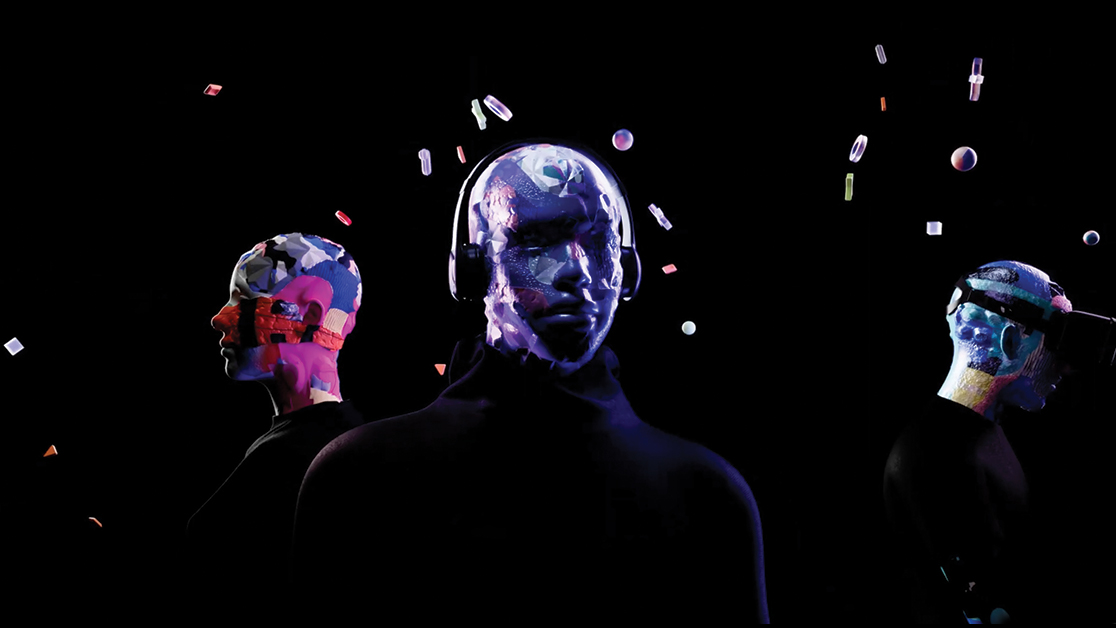
In the artificial intelligence (AI) era, the network of potential for human machine collaboration has exploded, which is what SAE’s BA/BSc Creative Computing & AI looks to support.
Now the creative industries is full of innovation with artistic expression and human originality cross-pollinating between previously separate industries. For example, musicians and songwriters are delving into new ways of utilising technology to realise their creative ideas. Elsewhere, new connections are taking shape between designers, directors and data scientists.
While technology has afforded new modes of creative practice, technological capabilities can also mean artists and business innovators can explore global connections too. This means that the scope for cross-disciplinary creative work and collaboration is greater than ever. It has also created a new code of business ethics that continues to evolve.
In our blog, we explore the future of creative collaborations in the digital age and how creative work is being revolutionised. If you’re interested in helping shape tomorrow, then contact our team to learn more about our courses.
How Generative AI is shaping our Creative World
Generative AI (GenAI) is having a significant impact on creative workflows across a huge variety of industries. In the first Adobe Creators’ Toolkit Report, 76 percent of creators said that GenAI has helped grow their business and personal brand. A further 85 percent of creators would turn to an AI agent that learns their creative style as part of their process.
According to the findings, GenAI is now a vital part of many workflows and used as a way of enhancing rough sketches of concepts within the creative industries.
Coming up with iterations of an idea at the beginning of a process can be time-consuming and drawn out. In this context, AI can cut the efforts spent on initial, tedious tasks, empowering designers and developers to move directly to refining their favourite concepts instead of trying to jump-start something from a blank canvas.
One of the key ways AI can be utilised is as a tool to review and refine any ideas. Rather than relying on it for the genesis of any creative work, it can instead be seen as a partner to test storyboards or initial concepts for projects.
There is also now a new stage of workflow where project partners and stakeholders can contribute different ideas or media into a creative process. By assembling various snippets and pieces of content in a collage, then this can then be iterated and shaped into a cohesive whole.
Breaking Geographic and Economic Barriers

One of the greatest benefits to technology is how it can traverse borders and make our worlds seem broader yet more connected at the same time.
Whereas previously access to expertise was confined to a particular office or place, critical creative relationships in the arts can now be established anywhere, thanks to our ability to connect via technology. The magic of these AI-powered collaboration tools, fast online networks and the ability to transfer huge amounts of data via the web has opened up access.
A filmmaker in London can co-create with a composer in Brazil. A start-up founder can prototype branding assets without a full in-house team. This democratisation doesn’t erase inequality completely but it certainly plays a huge part in lowering barriers to entry. The transformation comes in the low costs now associated with experimentation with tools now easily available to enhance human creativity. It means creative ecosystems and the ideas that emerge from them are becoming global and diverse.
What are the Challenges for Creative Work
While the possibilities are vast, cross-disciplinary AI collaboration also introduces friction, particularly where AI models are over-used within the creative process.
An overreliance on automation is also leading to a saturation of homogenised content and creative output. Rather than being used as a platform for wildly expansive and experimental concepts, there is instead a risk that much of this content is looking, sounding and feeling the same.
A global study by the Conversation of more than 32,000 workers from 47 countries shows that 58 percent of employees intentionally use AI at work – with a third using it weekly or daily. However, the report also found that many are using GenAI in potentially risky ways. This includes uploading sensitive information to public tools, too much reliance on AI answers without checking them, and even concealing their use of it.
Where does copyright begin and end now that many tasks can be automated? Intellectual property (IP) laws surrounding AI models are still being worked out but it is clear that legislation needs to be in place to offer creatives fair remuneration for their work. It has already created conflict – for example, in June 2024, the Recording Industry Association of America, representing Universal Music Group, Sony Music Entertainment, and Warner Music Group, filed a federal lawsuit in Massachusetts against Suno, an AI music making platform. There are increasing concerns surrounding AI training and how it is harvesting IP in the large language models that GenAI is trained on.
The solution is not to reject AI – but to engage with it critically. The most successful teams will recognise AI’s potential and add it to their toolbox of skills rather than wholly relying on it.
Future of human ai collaboration
Now we’re living in the AI era within the creative industries, it’s also clear that the potential for human AI collaboration is only in its infancy. Importantly, AI’s capabilities are still forming with with research ongoing into its importance and influence.
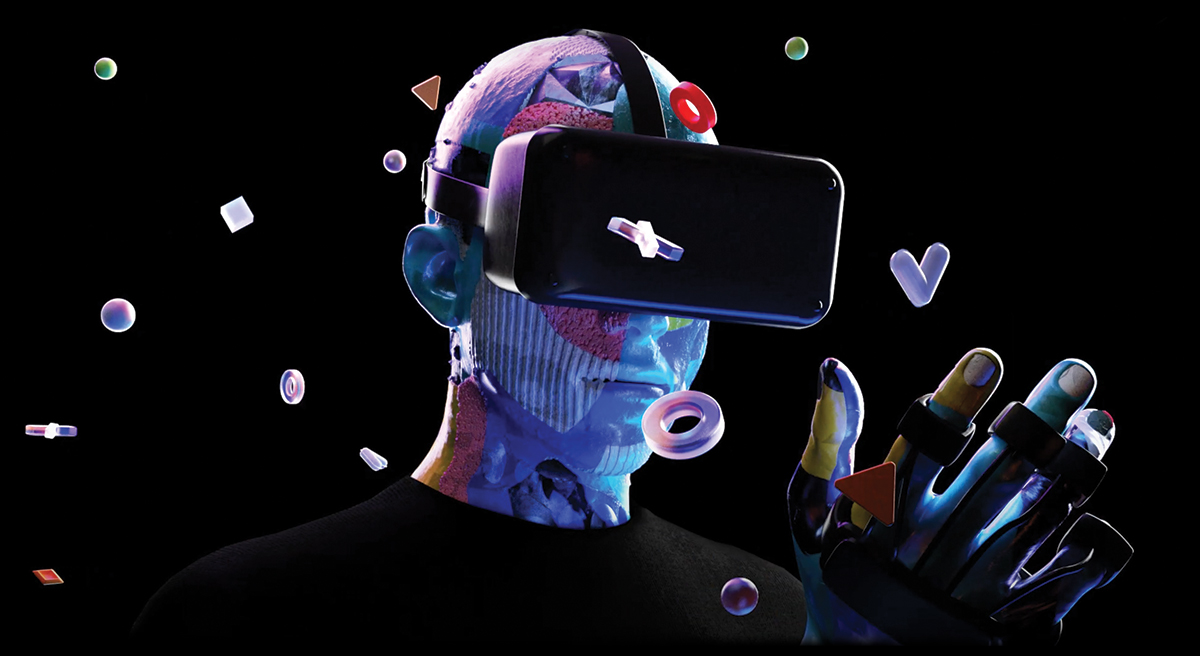
GenAI will likely become a standard tool in brainstorming, content creation and product design with a new wave of talent literate in creative computing and AI platforms. Approaches will become increasingly refined so professionals are well versed in the prompt engineering to get the most from their work. Wearable AI alongside AR/VR tools will also become part of workflows, and increasingly utilised in testing environments.
The future also depends on AI being seen as an ethical process – it needs to adhere to IP frameworks to ensure its future…
Study creative computing and ai
If you want to get to grips with the latest innovations and technologies shaping computing, then our Creative Computing and AI degree could be for you.
Our state-of-the-art facilities and expert tutors are well placed to give your career the best possible start in exciting and creative sector.