










Insight
Mike Cave – Audio Production
#NextGenCreatives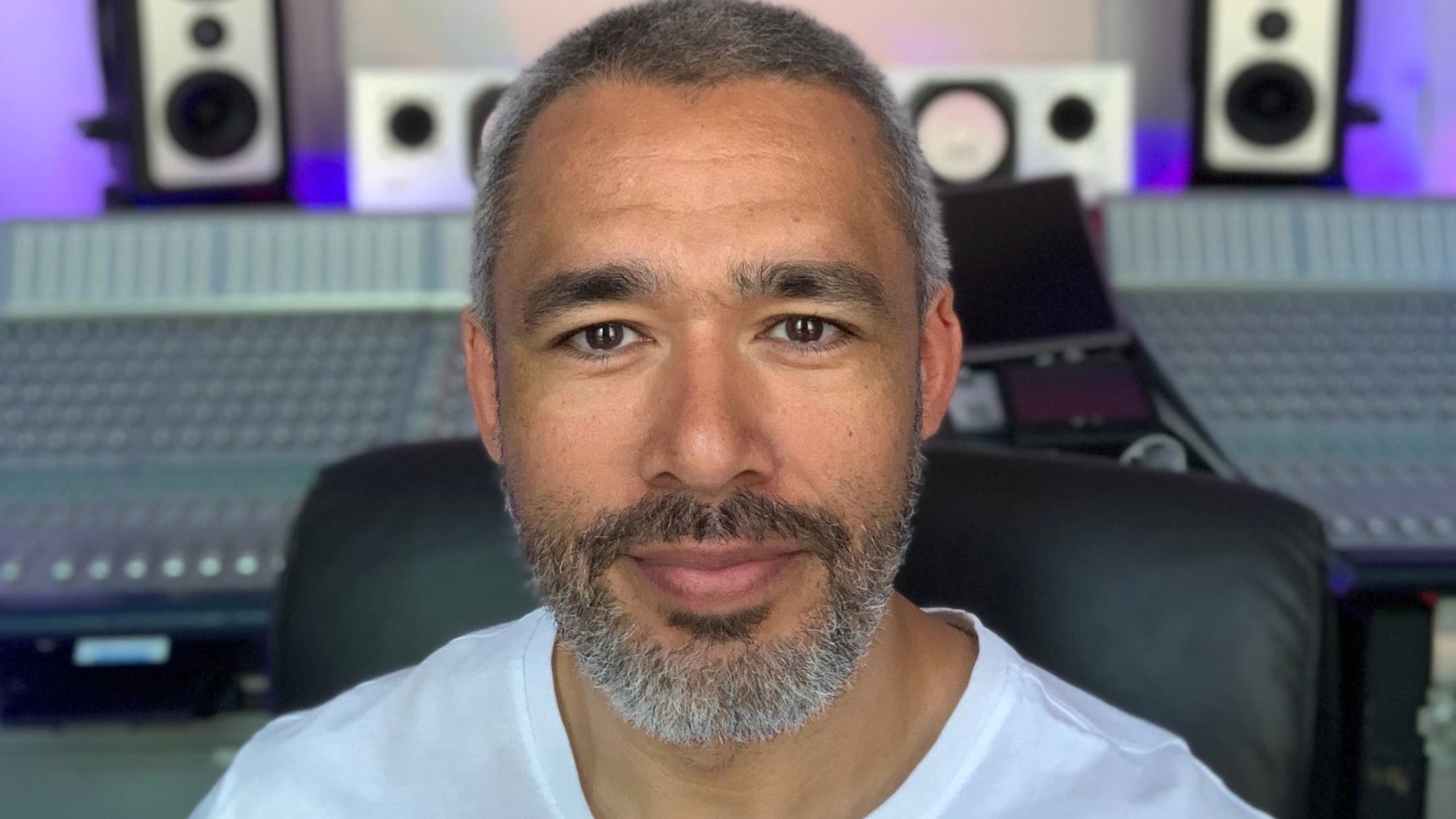
What the Audio Industry Really Needs From the Next Generation
The path into the audio industry has changed dramatically over the past two decades. Large commercial studios are rarer, technology is more accessible than ever, and many aspiring engineers now learn through online tutorials rather than traditional studio apprenticeships.
In an interview with mix engineer and mastering specialist Mike Cave, he explains that while the tools have changed, the fundamentals of the craft remain the same.
Cave has worked with artists including Lewis Capaldi, Foals, CamelPhat, The Coral, Echo and the Bunnymen and Fatboy Slim. His role sits at the final stage of the record-making process, shaping mixes and masters before they are released into the world.
“I wear two hats,” he says. “I’m a mix engineer and I run a mastering facility. I’m very much at the latter stages of making a record.”
Finding your lane
Like many engineers of his generation, Cave came up through the traditional studio route. He started as a tea boy in a commercial facility, watching sessions, assisting engineers and slowly working his way up.
“I was sitting and watching people make records for years,” he says. “Then you go through the ranks, go freelance, and eventually you find your lane.”
About a decade into his career, he realised that his mixes were gaining particular attention from labels. In 2012, he launched his mastering facility and focused entirely on mixing and mastering.
“If you want to be really great at something, you eventually have to pick what you’re best at and focus on that.”
From studio apprenticeships to YouTube tutorials
The biggest shift he has seen is how people enter the industry.
“When I started, you’d get a job in a commercial studio and learn by watching people make records,” he says. “Those opportunities are few and far between now.”
With the closure of many large studios, many newcomers are learning online instead.
“People are learning their craft via YouTube, which is crazy really,” he says. “There are some great resources, but you have to filter out a lot of nonsense.”
One of the biggest problems, he says, is the idea of universal “fixes”.
“You see videos saying, ‘This is the perfect EQ for a vocal,’” he explains. “But what did the vocal sound like to start with? That setting won’t work on every vocal.”
In a real studio, those decisions are always contextual.
“Everything is bespoke. Every artist, every song, every vocal is different.”
Why experience still matters
Cave believes that one of the most important things for new engineers is time spent making mistakes and learning from them.
“I make mistakes every day,” he says. “I’m making hundreds of decisions on every mix, and some of them aren’t the right ones.”
That process of trial, error and refinement is essential to developing critical listening skills.
“You don’t get to a point where you stop making mistakes. Every day is a school day.”
This is where structured environments, mentoring and hands-on experience still play a major role.
“Without some kind of structure or mentoring, you’re really going to struggle,” he says. “You can’t learn everything from YouTube.”
The human side of audio
Technical ability is only part of the job. According to Cave, people skills are just as important.
“Studio etiquette and dealing with artists is probably the most important part,” he says. “You have to leave your ego at the door and make records for the artist, not for yourself.”
Communication, diplomacy and understanding how artists listen to their work all form part of the role.
“Sometimes the notes you get aren’t about the mix,” he explains. “It might be about how they’re listening to it. Part of the job is guiding them so they can focus on being creative.”
Where AI fits in
Like many engineers, Cave has watched the rise of AI tools with interest. But he does not see them as a replacement for human engineers.
“We’ve been using AI-based tools in workflows for years,” he says. “But generating a record from a prompt is a completely different thing from working with an artist.”
Professional mixing involves detailed, specific changes based on an artist’s feedback.
“Artists will ask for very precise adjustments,” he says. “That’s easy for me to do, but AI would just generate a completely different mix. It can’t make those kinds of detailed, human decisions.”
No quick fixes
When speaking to students, Cave’s message is consistent.
“There’s no quick fix to this,” he says. “It’s not going to happen overnight.”
He points out that many successful mixers spent a decade engineering before moving into specialist roles.
“You’re training your ears all that time,” he says. “Learning what a great vocal sounds like, what a great drum sound is. That takes years.”
For him, the key factor behind long-term success is resilience.
“The people who succeed aren’t always the most talented. They’re the ones who didn’t give up.”
Start Your Audio Journey at SAE
If you’re serious about building a career in audio, the environment you learn in matters.
SAE’s Audio Production courses combine technical training with hands-on studio experience, industry mentoring and collaborative projects, helping students build both skills and confidence.