










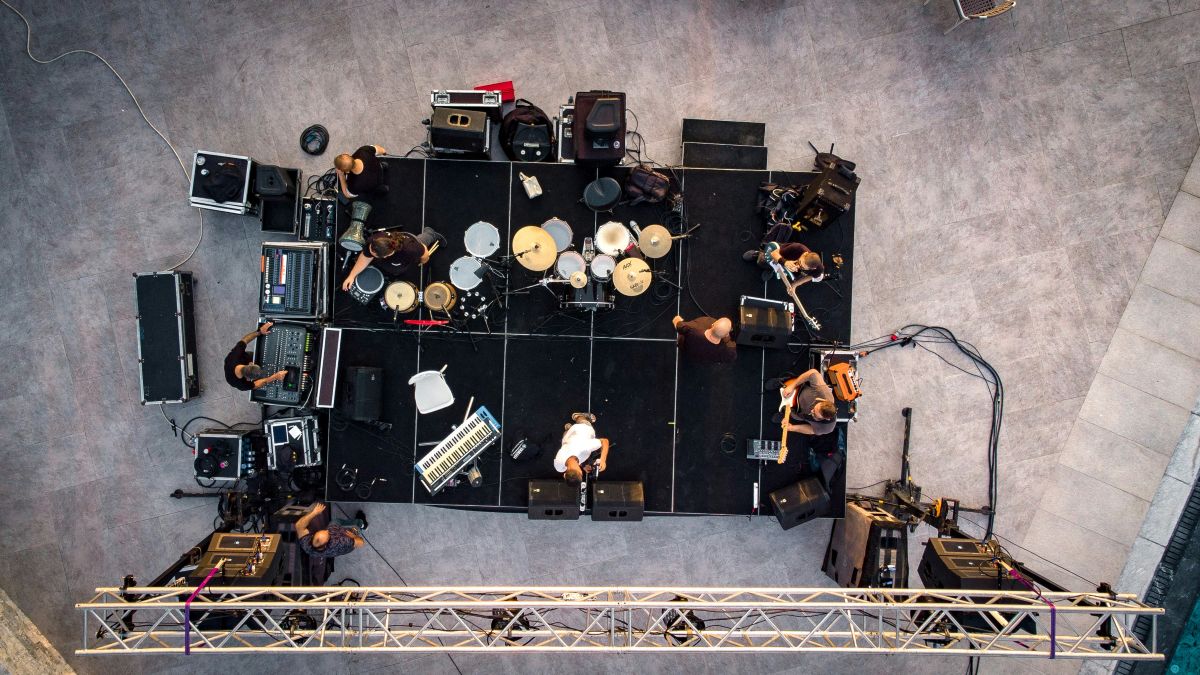
From travel arrangements to sound check and ensuring performers and crew are on time and where they need to be, the role of the tour manager in helping bring live shows to life is crucial.
Of course, live music is also big business – UK consumer spending on live music events reached a record-breaking total of £6.68bn in 2024, up 9.5 percent on the previous year. As well as being a vital income source for artists too, there’s also a whole network of music industry professionals employed in this sector.
From tour managers and booking agents to venue owners and gig promoters, live music and tour management can provide a range of different roles and opportunities for those wanting to work within the sector. There’s clearly a huge market to cater for – a record 23.5 million music tourists attended UK music events in 2025, with London attracting 7.5 million of this figure. London’s O2 Arena achieved a record 239 performances in 2025, a 19 percent year-on-year increase.
In our blog, we explore the different areas of the live music business and the various music business career pathways it offers.
Interested in joining one of our degrees? Find out more about SAE’s Music Business course and contact our team with any questions on what we offer.
Live music industry
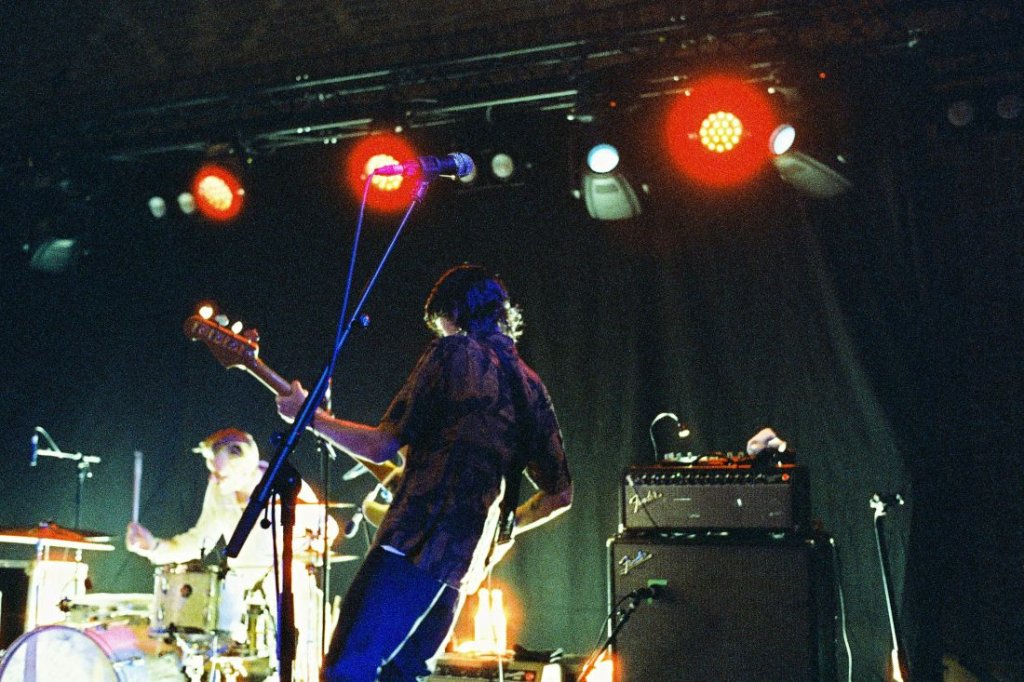
Live music has long been an essential pillar of the music industry, providing audiences with opportunities to hear their favourite songs performed while also enabling musical talent to hone their skills.
One of the main challenges for the live sector is the existential threat faced by grassroots music venues (GMV). According to the Music Venues Trust (MVT), more than half (53 percent) failed to make a profit in 2025 with thirty live music venues closing, including notable clubs such as the Liverpool nightspot Zanzibar and Leicester’s The Shed.
However, the MVT is now trying to stem the tide of these closures. One of its campaigns aims to introduce a £1 voluntary levy on arena and stadium concert tickets (capacity of 5,000 and more) to support struggling GMVs, with ambitions to raise up to £25m annually. While arena events from stars such as Coldplay and Taylor Swift are doing well, the MVT is spearheading more campaigns to keep the lights of GMVs on.
Music festivals
From Glastonbury to Edinburgh’s Summer Sessions and beyond, the UK music festival sector is one of the musical highlights of the year.
In 2025, this comprised 592 identified events – 360 greenfield and 232 urban/multi-venue. Despite its high-profile nature, the market is facing cost pressures and an audience with less disposable income despite high demand, meaning many independent ventures are at risk.
Figures from the Association of Independent Festivals have forecast how industry revenue is projected to hit £3.8bn, driven by major, high-capacity events.
However, smaller, independent festivals are battling to stay afloat, dealing with post-Brexit, inflation-driven costs.
The Role of Tour Managers

Today’s tour manager has a variety of roles to play when working on live events. While they may not be wholly responsible for every aspect of a show, they will be at the centre of tour logistics, working with different providers, stakeholders and supporting teams to ensure gigs run as smoothly as possible.
The day-to-day admin of a tour is what keeps it on track, with travel plans, transportation, flights and hotels essentials for live bands. The bigger the concert and artist, the more moving parts are involved in making a tour happen.
The technical side of a gig is equally important as being on time for a show. From sound equipment to the lighting and band’s backline, the event production and load in needs to be managed effectively. If additional equipment resources are required, then these will need to be ordered in by a third party supplier via a production manager.
A huge part of the tour is also the financial aspect – without a gig budget being handled correctly, then the artist or band might not make money from their hard work. Different factors are part of this, including securing advances from venues and booking agents alongside handling petty cash and reconciling pay outs from shows, whether they be in Brighton, Glasgow or further afield in cities such as Amsterdam or Paris.
Touring artists also need to be supported, particularly if the tour is a long one – this includes managing backstage hospitality, dressing room requirements for food and drink, hotels while also ensuring the overall well-being of acts too. No one wants a tour to be driven off course by bands failing to look after themselves when on the road.
Core Roles in the Touring and Live Event Team
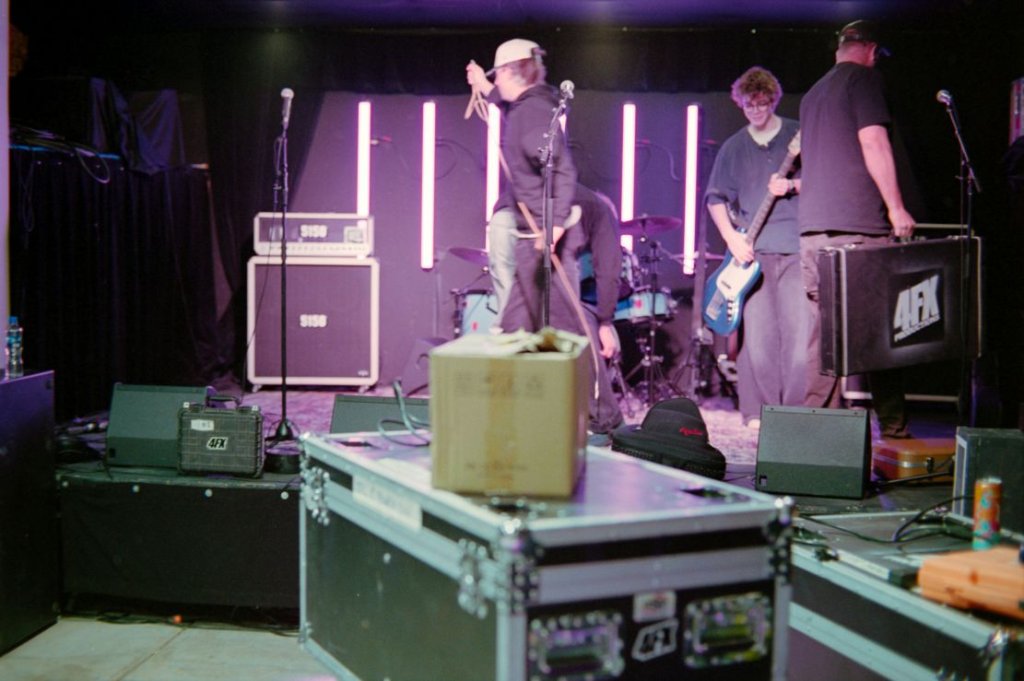
There are various roles within the touring team that keep the wheels of a live tour spinning in the right direction. Depending on the artist’s stature, many of these responsibilities could be handled by one or two individuals. But on bigger tours, there will be many different team members making the shows happen.
Tour Manager: The tour manager is the main point of contact for an artist and musicians, overseeing all logistics and scheduling of a tour alongside creating day sheets for the team to follow. As we’ve seen, their job is to ensure a tour stays on track, enabling artists to avoid any logistical stress and focus on making the most of their main stage gigs.
Production Manager: This role acts as a bridge between the venue and band, responsible for looking after the technicals, sound, and lighting aspects of the show.
Accountant: A successful tour will be one that makes money for bands, venues and promoters and ensures everyone is paid on time. An accountant or bookkeeper will often be responsible for financial reporting, expenses, and tax compliance.
Booking Agent: Promoters work at live music venues to market and advertise their live gigs. It’s down to the booking agent to work with the promoter, alongside band manager, and tour manager, to plot the route of a band’s tour to secures dates and negotiates contracts.
Live Event Technicians: These professionals are experts in sound, lighting and musical equipment and are essential to performances taking place and sounding good. They will have a thorough understanding of the equipment used and the skills needed to store, pick, maintain, transport and build components into a functioning system as well as operate them too.
Event managers: From health and safety to budgeting and logistics, event managers play a pivotal role in transforming a venue into a suitable environment for a live event.
Artist Liaison: Whether it is at a live venue or festival, artist liaison officers are employed to look after the musical talent from the moment they arrive to their point of departure. From technical riders to transportation, they will ensure artists are on time for their soundcheck and live performance too.
Skills needed to take your career to the main stage
Different skills and music business career pathways can be required in the live music industry, particularly within tour management, and honed through a course such as SAE’s Music Business course.
High levels of organisation and an ability to communicate, either in person or online, can be key when working in the music business. Often, there will be situations where you will need to think on your feet and come up with effective solutions in pressured environments so an ability to resolve a crisis can be invaluable. Financial literacy can also go a long way as can the skills to deal with artists, venues, record label executives and tech crew members too.
If you’re looking to launching a career, you may need to start with entry-level, on-the-road positions, moving up from production assistants or merchandise managers to take on the role of tour manager. Of course, studying a degree with us will help…
Study Music Business at SAE
Studying our leading Music Business course will give you a comprehensive education in labels, publishing, management, touring, distribution, and live events.
You will have the opportunity to collaborate with an exciting student body to record your artists, film music videos and begin to plan your own career in one of the world’s most exciting industries.