




From content to video gaming, the demand for immersive, authentic entertainment experiences has rapidly grown over recent years as technology’s sophistication heightens.
According to industry statistics, the global immersive entertainment market is predicted to reach $474bn (£354bn) by 2030, up from the $133.6bn recorded in 2024. It’s a rapid growth rate and is creating a huge demand for spatial audio and interactive game audio, suggesting there has never been a better time to study a degree such as SAE’s Game and Interactive Audio course.
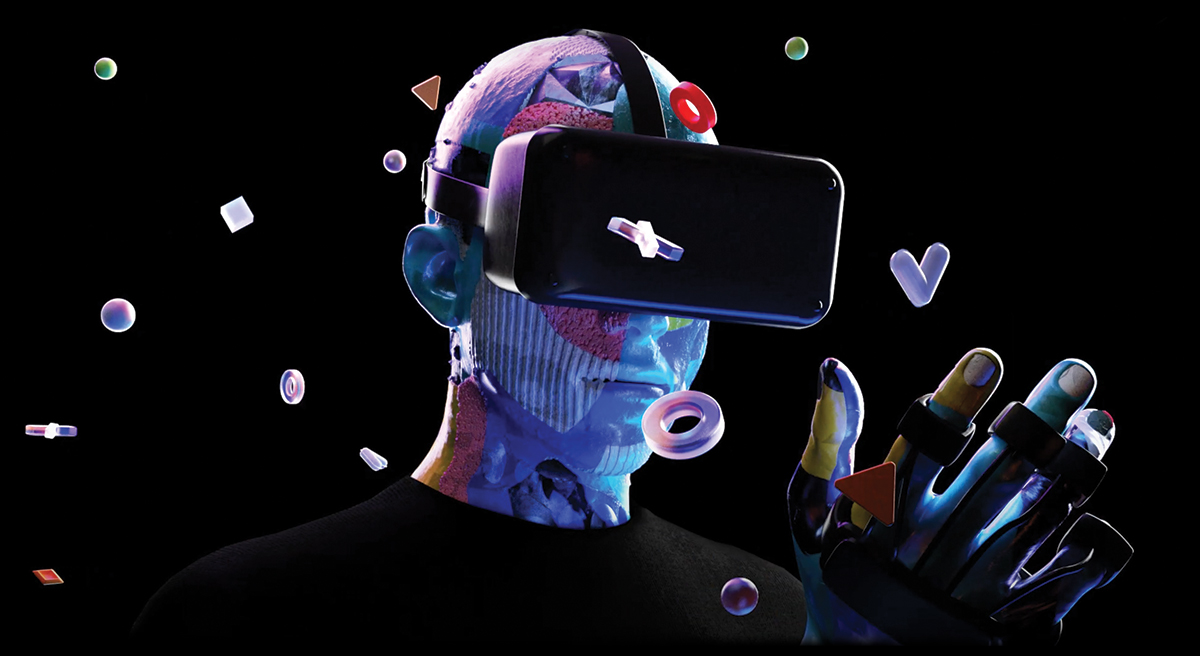
Driven by the ongoing prevalence of Virtual Reality (VR) and Augmented Reality (AR) experiences, which invite players to step into 3D worlds, there is similarly a need to compliment this form of game-play with an authentic soundscape and convincing audio world. By enveloping the player, the sounds – from music to characters and other gaming objects or motifs – add an additional aural layer to complete the sense of immersion.
Studying SAE’s Game and Interactive Audio degree will enable you to familiarise yourself with the technical expertise required to work at this exciting intersection of game and sound. Our blog will explore spatial audio, the latest game sound technologies and what is required for an immersive soundscape to succeed.
Get in contact with our team if you are looking to find out more about our course.
What is Spatial Audio in Game Audio
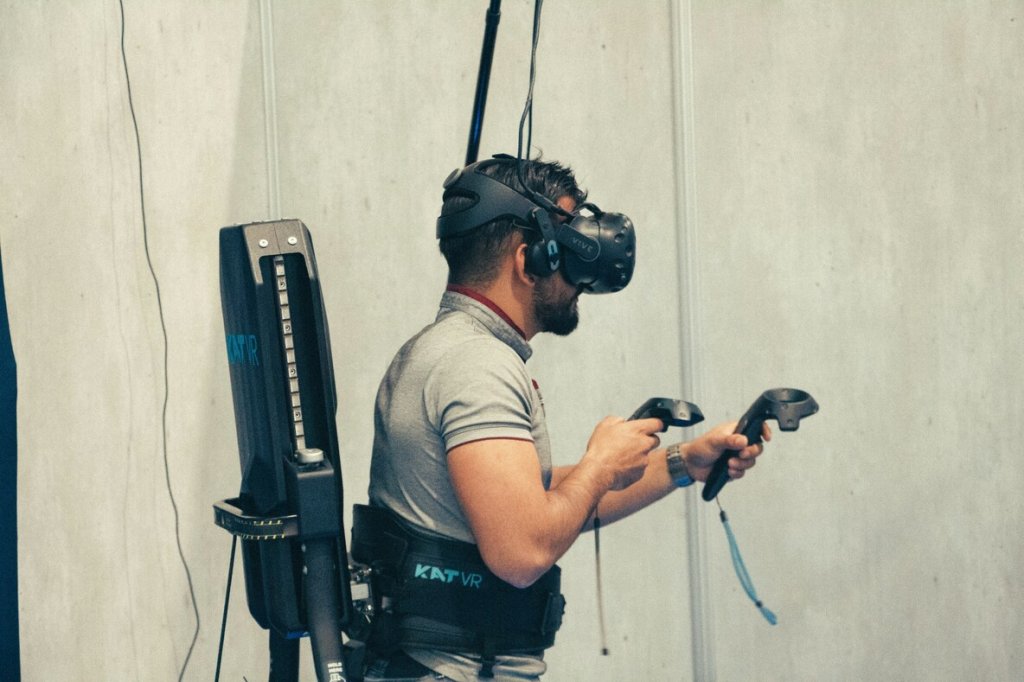
Spatial audio enhances gaming by providing a fully 3D soundscape that offers players immersion within their experience.
Spatial audio technologies work by placing audio objects or cues like voices or music in a virtual space to make the gamer or listener feel as if they are coming from a specific direction or location.
Many of us are used to traditional stereo sound, which provides audio through left and right channels. In contrast, the spatial audio format makes listeners feel as if the sound is all around us – just as it would in real life outside of a game. The closer it feels to this, the deeper the immersive experience and helps game audio professionals go further than surround sound.
According to Fairlight’s Mary Plummer, “[Spatial audio] is like finally getting the right prescription glasses and seeing the details around you for the first time… immersive audio completes the experience.”
How Spatial audio works in sound design
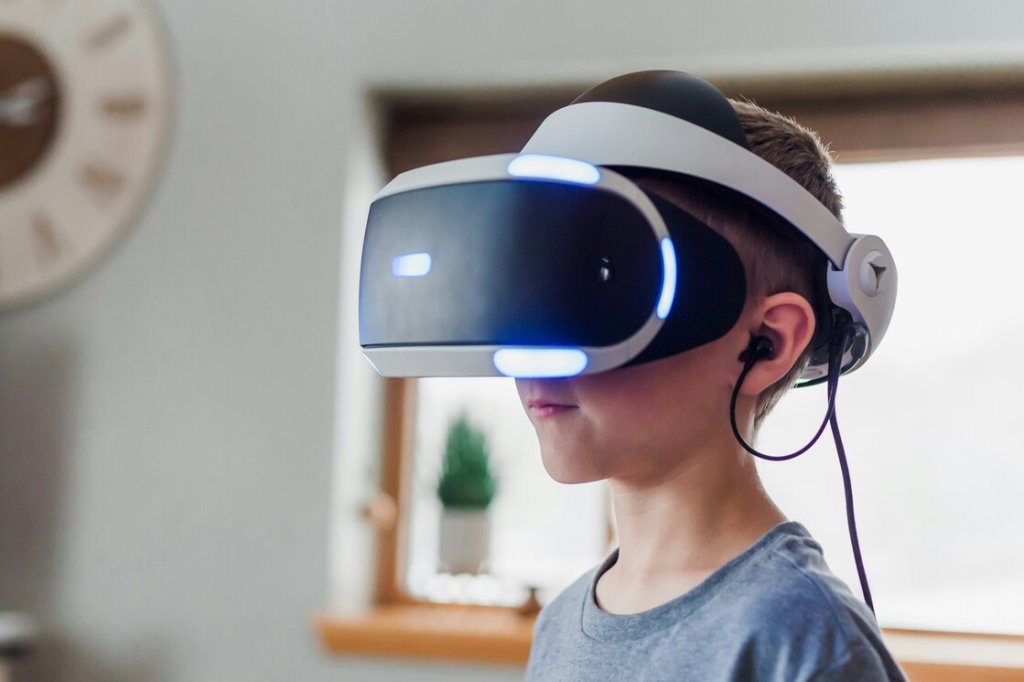
Spatial audio can be created through the use of speakers or VR headsets and utilises sophisticated algorithms, advanced processing techniques, and specialised hardware to recreate these lifelike soundscapes.
Using object-based sound technology, sound objects (including vocals, instruments, or effects) are strategically assigned to specific locations in a 3D space rather than a fixed channel.
Through acoustic modelling, spatial sound is able to simulate the physical effects your head, ears, and upper body have when exposed to incoming sound waves. These effects, known as head-related transfer functions (HRTFs), alter the timing and frequency of sound depending on where they are coming from. Your brain deciphers these cues so your human hearing can localise the sound and where it’s heard to create a more believable sonic landscape.
What is Dolby Atmos
Dolby Atmos is a specific technology developed by Dolby Laboratories that is often described as one of the innovations capable of replicating 3D sound. This object-based audio format treats sounds as individual ‘objects’ placed in 3D space, including at height or overhead.
For this to work as intended, content has to be mixed in Dolby Atmos. If it isn’t or the hardware is not compatible, then this spatial element and dynamic sound can be lost.
Head-tracking
Head-tracked spatial audio is an audio technology that simulates a 360-degree soundscape.
It achieves this by using sensors in gaming headsets to track the listeners’ head movements and adjust the audio in real-time.
This creates a more realistic and immersive experience, as the sound seems to be anchored to a specific point in space (like a television, monitor or phone screen). It is therefore heard in the same location even if the listener moves or turns in a different direction.
What is powering this new trend

The surge in spatial audio adoption is more than just a gimmick and stems from various changes in what is being recognised as a new era of sound and audio quality.
Streaming platforms like Apple Music, Tidal, and Netflix now support spatial audio content, making it more accessible to mainstream audiences. Advancements in consumer hardware mean that a device such as a soundbar, other affordable multi-speaker sound systems alongside headphones with head-tracking capabilities have made these experiences accessible at home.
The gaming industry has also played an important role. Popular titles like Cyberpunk 2077 feature VR applications that leverage spatial audio to enable players to focus on footsteps or gunfire coming from a specific direction. This makes a real difference to the levels of realism players can enjoy.
How can spatial audio enhance a game’s audio world
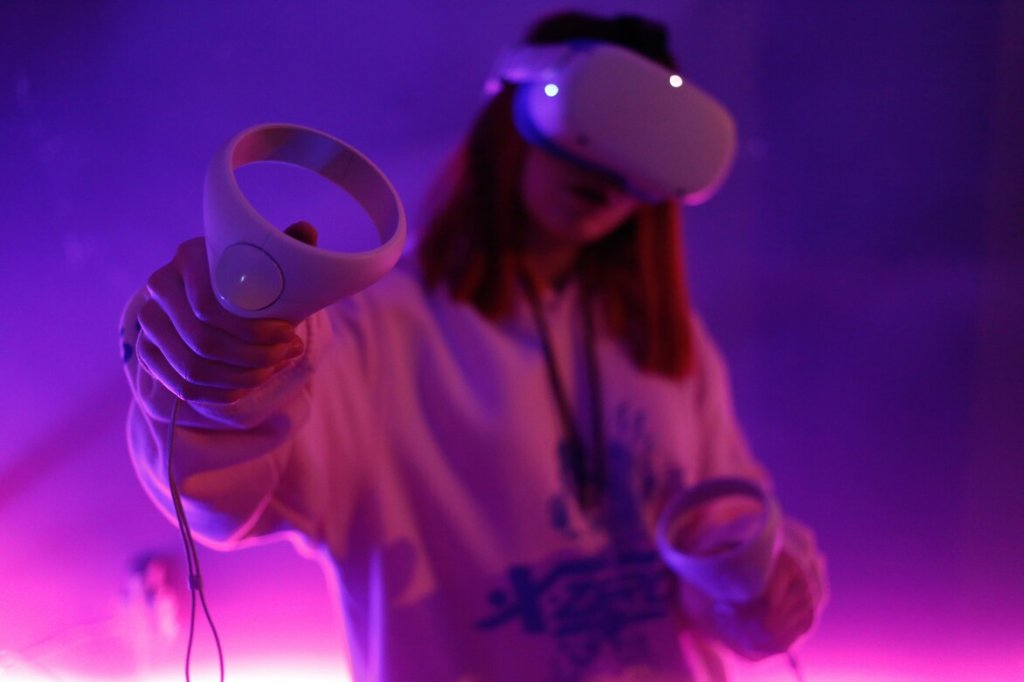
The integration of spatial audio in games encourages exploration and enhances the overall gaming experience. For many gamers, the spatial audio format ensures another level of reality that comes with their player experience.
Accurate location: If you are a fan of shoot-em-up games, then being able to hear footsteps, a vehicle or even gunfire coming from a specific direction can help provide you with a competitive edge when pitted against others.
Advanced spatial awareness: Another element of this is the expansion of your field of sound. Player immersion through this audio will enable you to detect threats outside of your visual range and enhance your level of play.
Greater atmosphere: Environmental sounds such as rain or those associated with a specific landscape mean a gaming world feels more believable. These effects create a greater sense of realism, which can add an extra layer to a horror or action game.
Enhanced accessibility: Spatial audio can provide vital audio cues for visually impaired players to improve accessibility and make games available for all. This can help players them locate threats and navigate these worlds successfully.
Hellblade Senua’s Sacrifice is a great example of where a game uses 3D spatial audio to put voices in your head to enhance the game’s narrative. Gamers play the character of a Viking warrior who has descended into hell to help her lost lover. It also uses 3D audio in combat scenes.
What are the challenges of implementing Spatial audio

Despite its promise, spatial audio faces significant hurdles and creates headaches for sound designers. Mixing for 3D sound requires specialised skills and tools, raising production costs. Additionally, inconsistent hardware compatibility can fragment user experiences. For instance, a Dolby Atmos track may sound great on a high-end home theatre but fall flat on standard earbuds without any additional configuration.
Different build-platforms and OS versions can have different spatial audio APIs and rendering behaviours, leading to platform inconsistency. Relying on system-level spatial audio processing can lead to degraded audio quality and unnatural soundstage too.
The final output of spatial audio can be subject to the limitations and behaviours of the OS-level spatialiser. To achieve true artistic intent and a reliable spatial audio experience, developers need to move towards in-engine authoring and control.
What is the future of game sound
Sound designers can use spatial audio to guide player attention and evoke specific emotions, adding narrative depth. For example, the sound of a monster behind a wall or the rustle of leaves can build tension or signal important story moments with greater impact than traditional audio.
Major companies like Sony, Microsoft and Apple have heavily invested in spatial audio, making it a standard feature on next-generation consoles and devices. This widespread availability ensures developers can confidently integrate the technology into their games.
Spatial audio is here to stay – as VR and AR become the norm and virtual environments are increasingly standard, an ability to navigate this as a game or audio professional will ensure you can make the most of opportunities today and tomorrow…
Study SAE’s Game and Interactive Audio degree
SAE’s Game and Interactive Audio degree has been developed in collaboration with key players across the creative industries. Our state-of-the-art facilities and expert tutors are well placed to give your career the best possible start in exciting and creative sector. Get in touch to find out more