

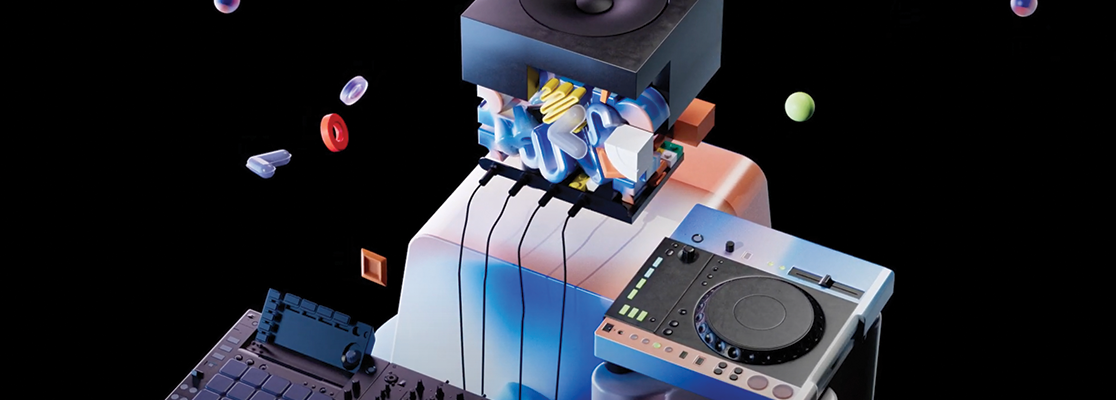
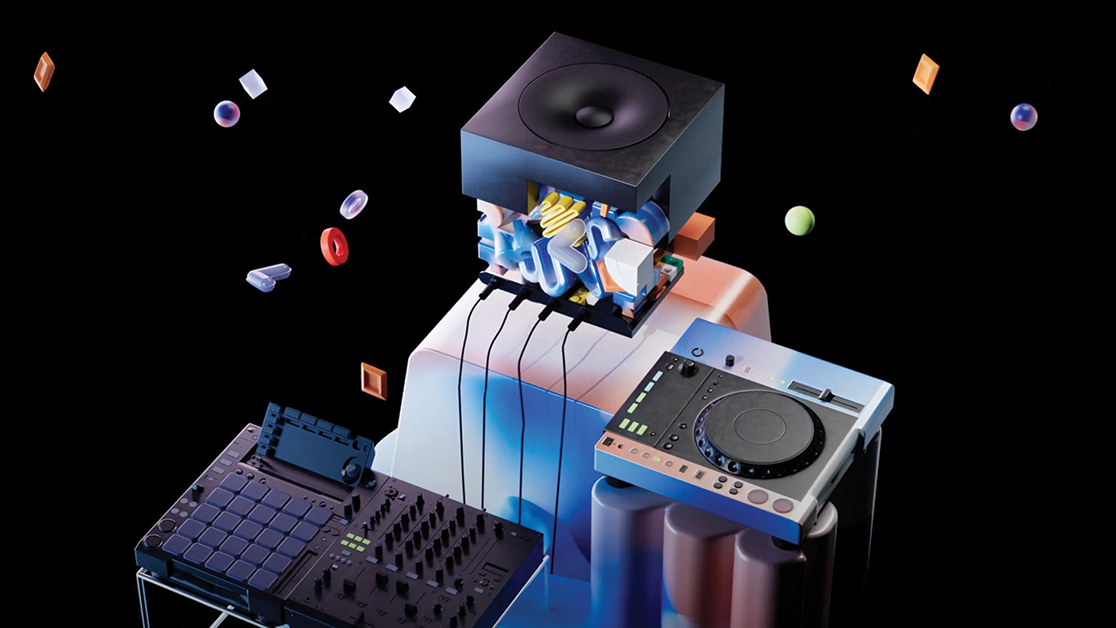
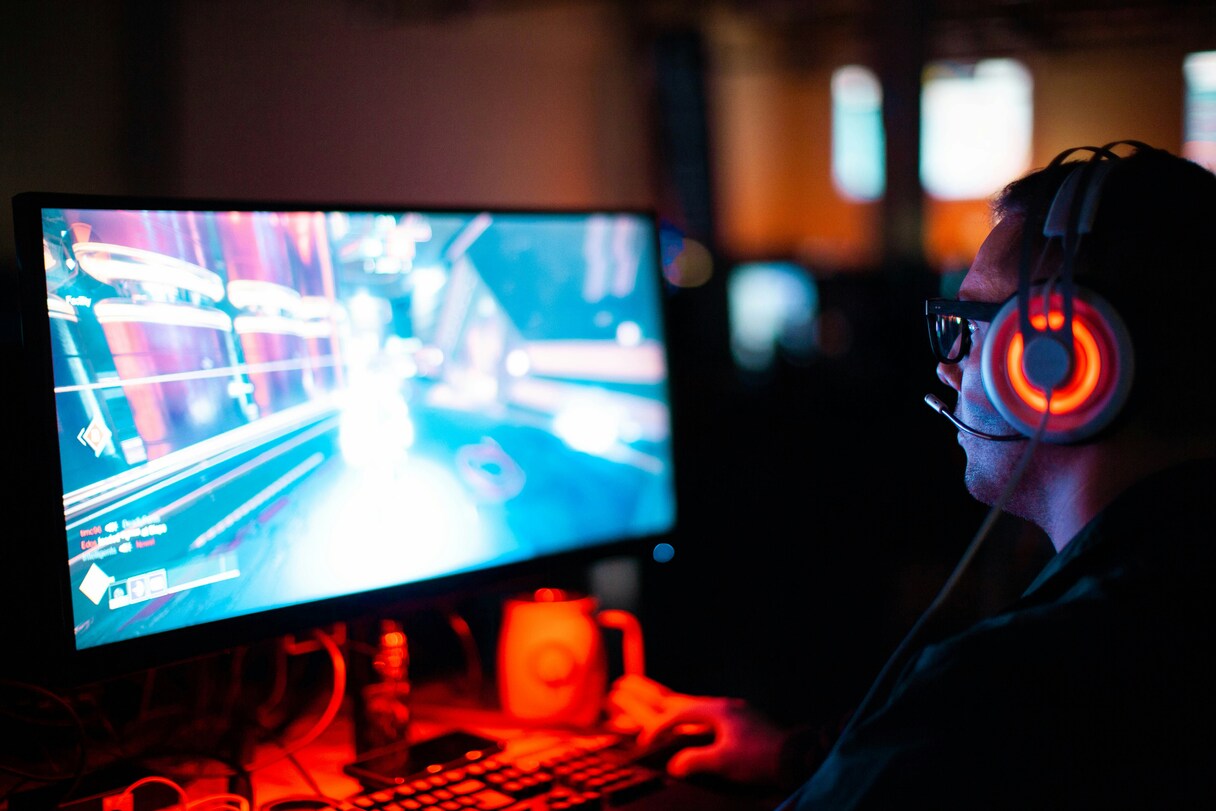
If you are a music or game loving creative, then SAE’s new Game and Interactive Audio degree might be a good fit for you.
Our industry-focused degree blends sound design, game engines, audio middleware and adaptive systems to arm you with the important skills to design, implement and optimise audio for interactive environments alongside other disciplines.
As a game sound designer, you will need to be proficient with certain skills which studying a course will equip you for. From understanding how digital audio workstations (DAWs) work to game engines and middleware, alongside Virtual Reality (VR) and Augmented Reality (AR), there are different trends and skills to hone. Whether you work as part of an audio team, in house or with an audio department creating sounds, studying our course will ensure you are ready to take advantage of a multitude of pathways and career opportunities.
Our blog will explore the different roles you could work in alongside the best ways to advance your career in the gaming industry. If you want to join our new course to discover your career path, get in touch with our team now.
The Game Audio Industry
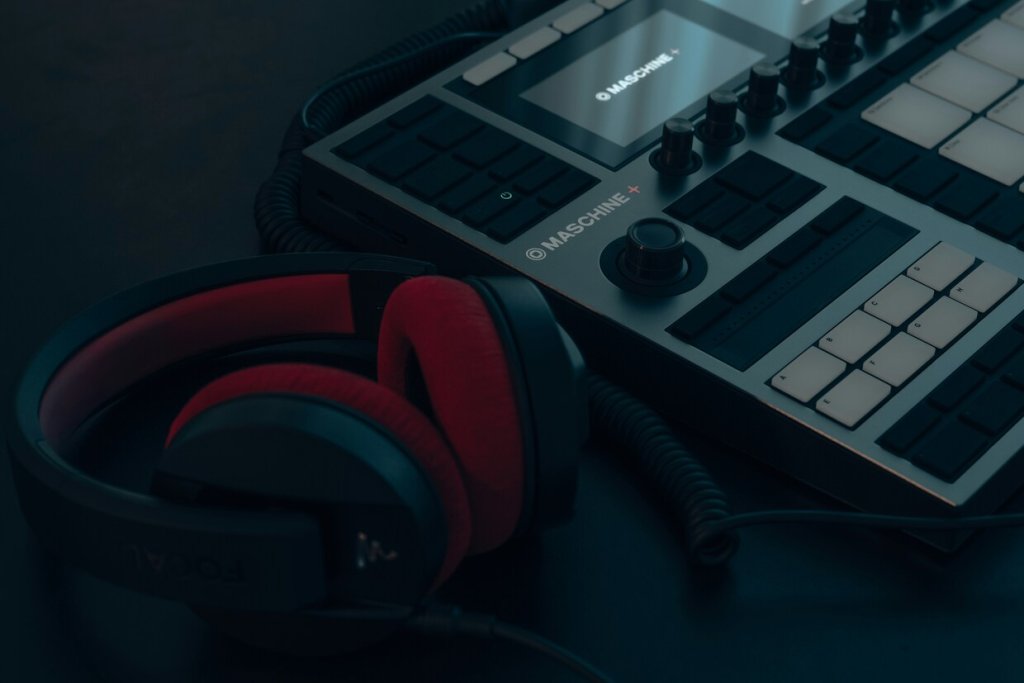
Game audio is a booming, evolving sector within the massive gaming market, focusing on sound design, music, and technical implementation.
Ongoing trends include increased outsourcing, demand for spatial audio, and the growing integration of Artificial Intelligence (AI) into creative processes.
From video game sound designer to audio programmer and foley artists, there are a huge range of sound design roles out there.
The global gaming audio market also returned to growth in 2024, with volume rising by 5.4 percent to achieve 40.9m units, according to Futuresource Consulting’s latest industry report. Following two years of decline, this rebound marks the beginning of a new growth phase, with shipments projected to exceed 54m units by 2029 – it suggests there’s never been a better time to get hands on experience and keep an eye on job listings.
What do Sound Design professional do within games?
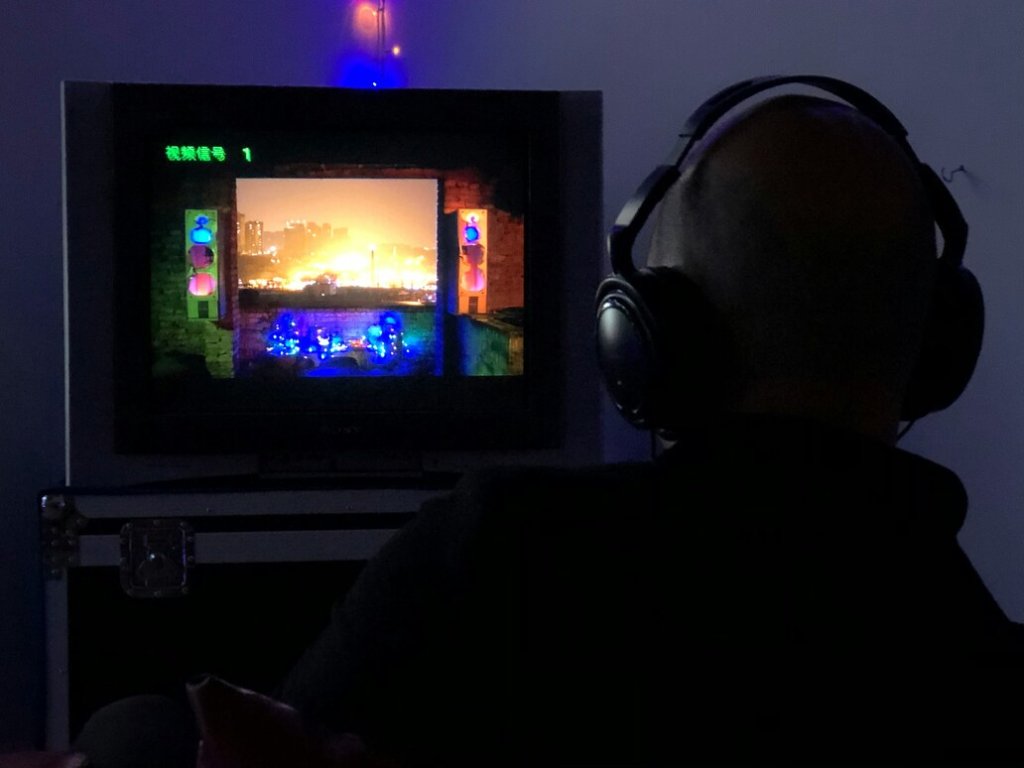
The main role of a game sound designer is to create the soundtrack to a gaming experience. While the essence of this role seems simple, this is about more than composing music. A score needs to fit and enhance the narrative of a game and its action. As a game sound designer, you also need to consider other sonic elements too within audio systems, from the noises made by characters to the sounds of weapons, power-ups and other ambient effects.
The sounds may also need to be integrated into the game with specific tools – experienced sound designers will be experts in manipulating audio assets so they react dynamically with the actions of the game’s various players.
Many sound designers will typically work by starting with a brief, build sound libraries, record sounds (sometimes foley), process them in a DAW, and then implement and test them within the game engine. It’s also important to remember that different genres within the gaming world will often require different needs around how sound works.
Important skills for game sound designers

There are various implementation skills game sound designers need to get an understanding of and essentials surrounding sound theory, game audio pipelines and interactive audio design. There are also real-time implementation techniques using Unreal Engine, FMOD, Wwise and Pure Data alongside developing advanced skills in adaptive music systems and generative composition.
Alongside technical knowledge, an important aspect to roles within this sector is being capable of honing soft skills. Being able to get along with others during the creation process, establish effective working relationships and work either alone or with other teams can also go a very long way in contributing to a project.
How can Game Sound Designers advance their career path?
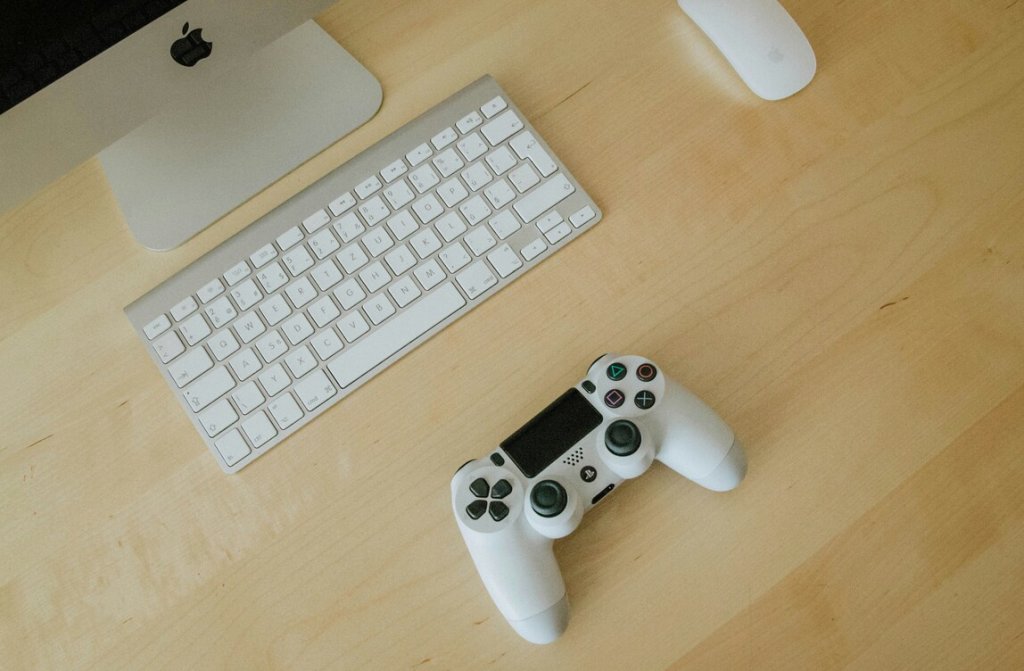
As an aspiring game sound designer, a solid starting platform is to study a course such as SAE’s Game and Interactive Audio degree. It can be an essential building block at the foundation of a successful career.
Study a course
SAE’s Game and Interactive Audio degree aims to equip the next generation of sound designers and audio developers with the creative mindset, industry connections and technical know-how to meet the demand for professionals working within this creative world.
From sound design and game engines to audio middleware, adaptive music systems and real-time implementation, you’ll likely secure a career as part of a larger audio team where you will work with music editors and those with a strong understanding in tools like Unreal Engine, FMOD and Wwise. You’ll also need to have an understanding of DAWs such as Reaper and Ableton Live.
Create an impressive portfolio
Whether you want to work in audio engineering, as an audio designer or as a technical sound designer, then creating a portfolio is a fantastic way of showcasing your skills within the entertainment industry and beyond. Some of the work you can feature includes your projects and any contributions to other games. Another way of illustrating your deep understanding of the sector is by taking an existing game level or video clip, then redesigning its sound to illustrate how you would approach or update a project.
There are various creative ways to come up with a portfolio too. It’s also important to remember to showcase your best work and ensure the navigation is simple and intuitive. It’s unlikely a portfolio will impress if the content is dull and hard to find.
Develop your skills
As the world of opportunities within game sound design continues to evolve, perfecting some core skills around music production, DAWs, plugins and different pieces of audio hardware can be invaluable.
As well as these technical skills of audio implementation, being able to come up with your own unique style and sound can also help you stand out from different sound designers. Discovering your musical personality will come through your studies and dedicating time to experimentation and practising.
Experience and networking
After you have fully immersed yourself within the world of game sound via a course, then your next step will be to start finding routes into the industry outside the classroom.
This can initially come in the form of seeking internships at game studios, especially smaller ones, to gain entry-level experience.
Attending events such as the London Games Festival can be an effective way of meeting fellow professionals as one part of a networking journey that should begin when you’re in a classroom at university surrounded by peers.
Building genuine connections through networking, both in person and online, can be key to finding opportunities and gaining experience.
How to progress your career
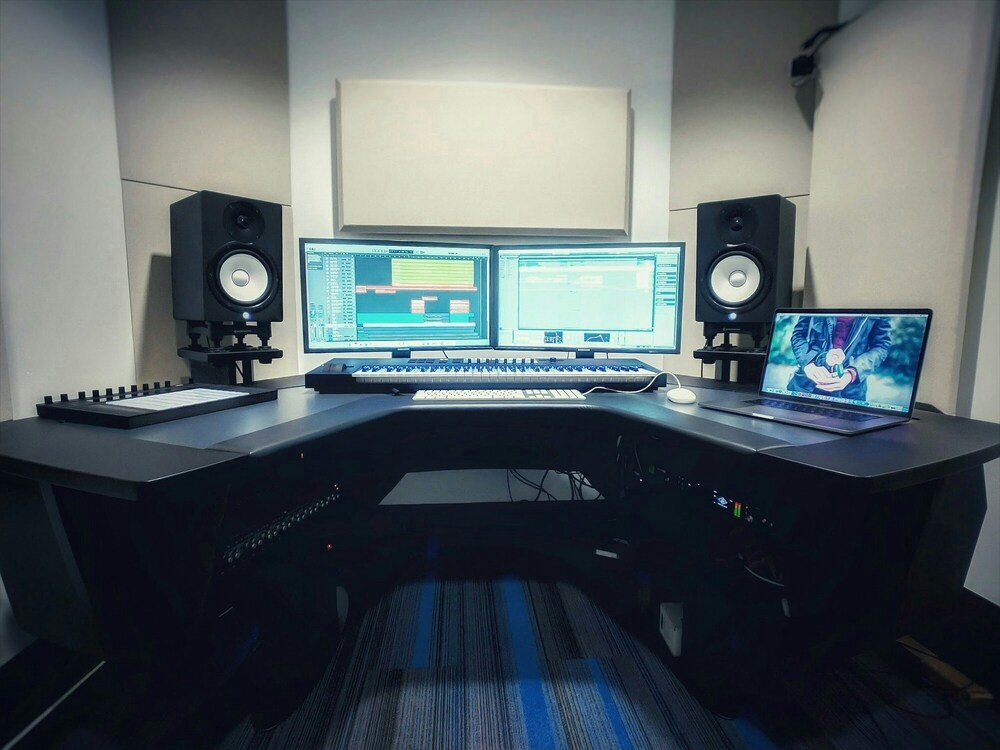
The career path of game sound designers can include different stages and roles. One way of progressing your career can include:
Entry-level roles: Start in entry-level positions, such as a sound designer or audio implementer, often on smaller indie projects to build experience.
Advancement: With some experience under your belt, you can advance to senior roles such as an audio director.
Specialisation: You can become a specialist (e.g., dialogue editor, sound effects editor) or a generalist, adept in a wide range of audio skills, including implementation and music composition, particularly if you freelance.
Explore related fields: A degree in sound design can lead to opportunities in other areas of audio, such as sound engineering for film, television, or even academia.
How to secure opportunities
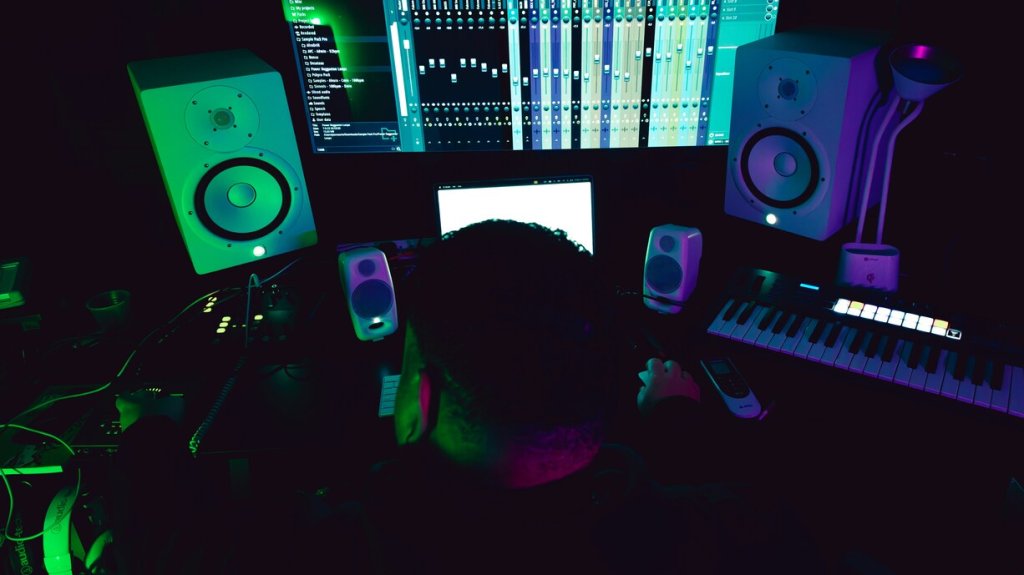
There are different ways to secure opportunities in this sector. As we’ve already mentioned, an ability to connect with others either in person or online can take you a long way. Creating a portfolio website acts as a shop window to your skills and experience. For visual portfolios, then sites like ArtStation, Behance and GitHub can all offer effective ways of showcasing work.
Once you have your portfolio in place, then use social media profiles on LinkedIn and Instagram to connect with potential collaborators and direct people to your work. Make sure you keep your portfolio and CV updated and elevate your soft skills in connecting with other professionals and potential employers. It’s a combination of these different abilities that will help you take your career to the next level in what is an exciting and growing industry. Good luck!
Study SAE’s Game and Interactive Audio degree
SAE’s Game and Interactive Audio degree has been developed in collaboration with key players across the creative industries.
Our state-of-the-art facilities and expert tutors are well placed to give your career the best possible start in exciting and creative sector.