










Since the first days of recording and selling music, the business side of the music industry has changed beyond all recognition, driven by emerging technologies, formats and consumer tastes.
Industry trends and technologies may come and go but one of the most effective ways to stay on top of the latest developments impacting how new music is made and consumed is through studying a music business course at SAE.
Whether you’re keen to become an agent, promoter, tour manager, A&R exec or work in another area of the music industry entirely, a music business course will give you a great grounding in many of the fundamentals such as traditional revenue streams and album sales, how these factors have evolved as well as anticipated future challenges.
From streaming platforms and releasing music to social media promotion and Artificial Intelligence (AI) tools and platforms, the landscape is constantly shifting under the feet of professionals, bands and individual artists. Here, we explore the most effective strategies to deploy to turn new challenges into career opportunities alongside some crucial ways to embrace change.
Are you looking to stay ahead of industry trends? Start your SAE journey by getting in contact with our team now.
Music industry and new technologies
It was inventor Thomas Edison who first came up with the means of listening to recorded music in the late 19th century with the invention of the phonograph.
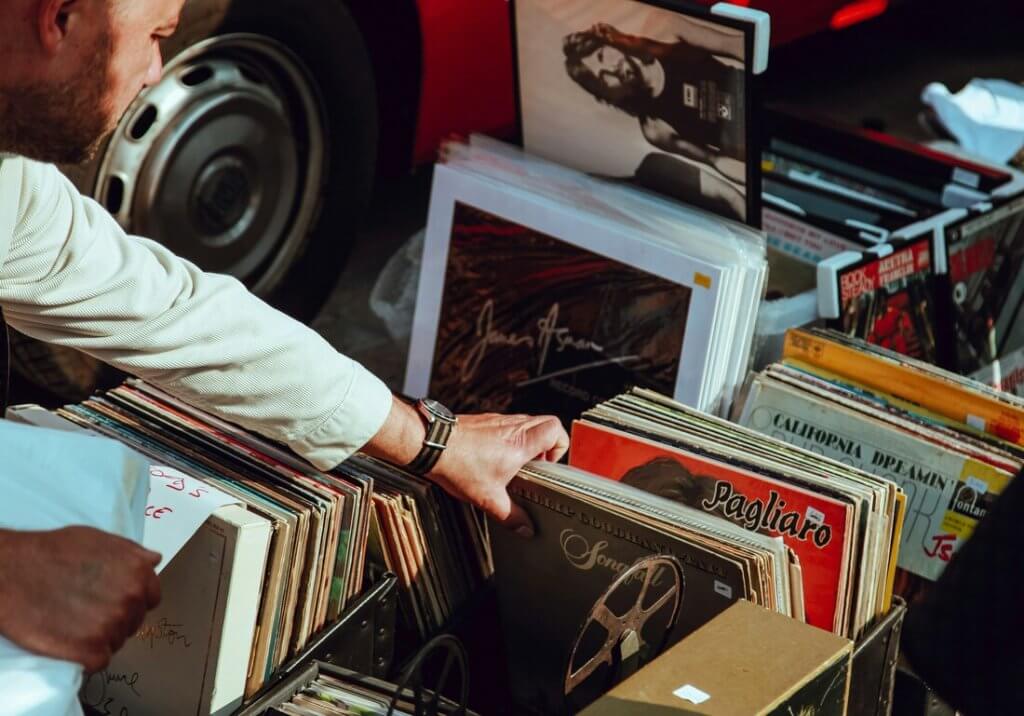
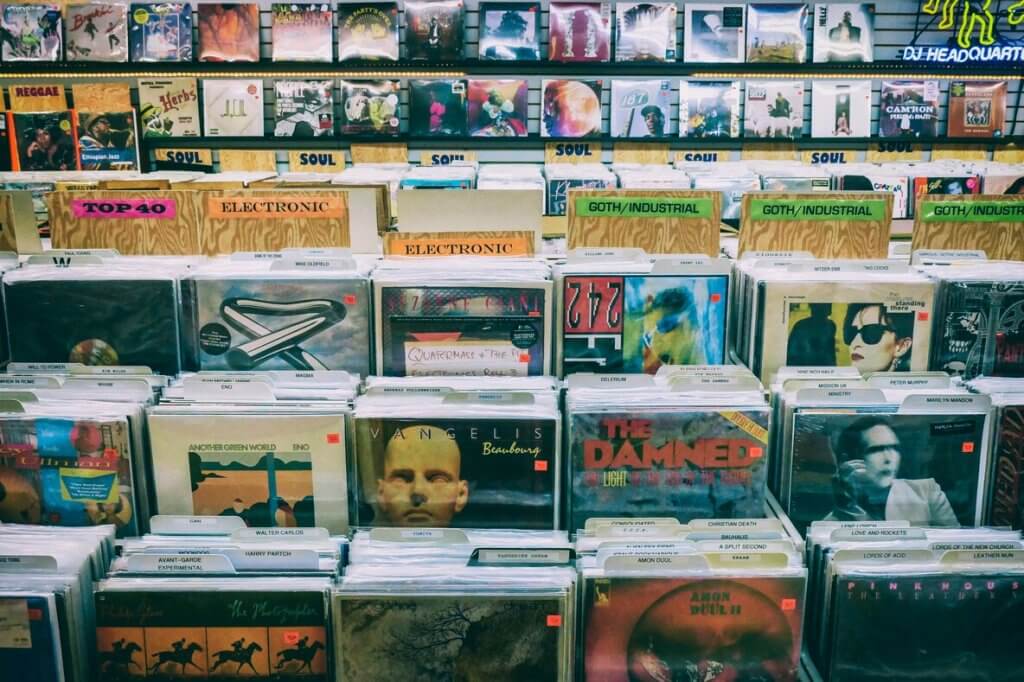
Fast forward more than 100 years and we are still essentially continuing what he started, although the means by which music is listened to have radically changed. From vinyl through to CD, digital music formats in the form of mp3s and wavs, then of course streaming services and subscription platforms such as Bandcamp and Apple Music, the ways we discover and listen to music are always moving.
Music is now big business and a significant economic driver with the latest UK Music This is Music report revealing how the sector contributed £8bn to the economy in 2024.
Digital music accounted for $20.4bn in 2024 via global music streaming revenues. This is an increase of 9.5 percent from the previous year, largely due to a 10.6 percent growth in users to 752 million worldwide.
With the advent of social media, everyone can now be a brand/business and and a content strategy for an online presence is essential. Depending on your professional persona – are you an artist? Entrepreneur? Band? – will dictate the platform you use and the kind of marketing content you create. But utilising social media platforms for enhanced social media engagement with an audience is key to success.
Direct to fan experiences are an extension of social media with crowdfunding platforms such as Patroen aimed at building relationships with their audience. Many artists offer exclusive content and music to their loyal fans and this can be a way of monetising music outside of the traditional record label model.
AI has been a hotly debated tool that the industry is grappling with – from songwriters and professionals working in music production voicing concerns over losing work, there are also other independent artists utilising these platforms to either speed up their creative process or take total control of their art and creativity.
Elsewhere, the live music industry is also under threat, at least at grassroots level. In the UK, a live music grassroots music venue was lost every two weeks during 2024, reports have revealed – which is where the work of organisations such as the Music Venues Trust (MVT) comes in. They have created a ticket levy for larger venues while headlining artists have come out in support of the smaller venues too – most notably Sam Fender donated his 2025 Mercury Prize winnings to the MVT.
Industry trends on music monetisation

The music industry is of course not just about making music but being able to make money from music too.
According to UK Music’s report, total UK music industry employment in 2024 hit a record 220,000 (full-time equivalent posts) – up two percent from 216,000 in 2023.
However, the caveat is that many professionals are working multiple jobs to make ends meet. There are different income streams available for artists and professionals to explore.
Streaming
Although streaming makes up a huge portion of how music is consumed, the value of a stream for artists is low. According to reports, a single stream on Spotify is worth $0.003 and $0.005 showing how it takes a significant following on the platform to generate anything substantial.
Brand partnerships
These are potentially lucrative connections between an artist and brand where the each comes together in a bid to enhance visibility and find a new audience. A recent high profile example was with Sabrina Carpenter’s hit song, Espresso, and its accompanying viral marketing campaign for the Brown Sugar Shakin’ Espresso drink.
Merch
For live bands, merch can be a vital source of income and can help fund a tour or music release. From the traditional t-shirts and hoodies to mugs, and much more, there is room for artists to get creative to make these products as enticing as possible.
The Charlatans frontman Tim Burgess is a merch advocate and set up his 2025 Merch Market, where bands had stalls to sell their wares and retain all of the profits.
Live performances
While venues might be under threat, a new report has shown that a live gig took place every 137 seconds in the UK during 2024. Newly-released data show consumer spend on live music events jumped 9.5 percent year-on-year in 2024 to £6.68 bn.
Sync
Sync is the process of securing licensing deals around the use of music as a soundtrack for visual media – whether this be for an advert, television programme, film, series or elsewhere. Again, sync licensing can be a very lucrative area of income for bands and artists alongside finding new potential listeners.
How to navigate this changing landscape
Whether you are an artist looking to share your unique sound, an entrepreneur, music producer aspiring professional, content creator or more, the music world can be head-spinning in how fast it changes and can lead to some feeling overwhelmed.
However, despite how quickly the narrative progresses, there are strategies you can adopt and embed into your outlook and professional perspective to help you move forward.
Constantly innovate/foster future facing mindset
Fostering an adaptable and future-facing outlook is one way of staying positive when a business landscape is in a constant state of flux.
If you have an ability to be on the lookout for emerging technologies, new business models, innovation or modes of digital distribution, then this will help you go far in pre-empting future trends.
Use data
It’s not just about getting your music out there; it’s about understanding algorithms, curated playlists, and how to use data analytics to track listener habits and preferences. There is plenty of data available from a wealth of platforms from social media profiles to Spotify – it is those who can take this information and use it to help them create new opportunities that will stay ahead.
Create a network with other artists and collaborators
Collaboration can open new doors in the music industry. As an artist, collaborate with others, not just musically but also in cross-promotional efforts. This can expand reach and introduce you to new audiences. As an entrepreneur, network with other industry professionals, from producers to event promoters. These relationships can lead to partnerships that benefit all parties involved and can help you navigate the industry’s complexities.
Direct to fan
Are you an artist? Artists can leverage crowdfunding platforms, merchandise sales, and fan club memberships to generate income and establish a direct relationship with their supporters. Building a strong brand, fostering fan loyalty, and offering exclusive content are key strategies to capitalise on the direct-to-fan model.
Study a course
You could argue that we would advise this and of course we might be biased. But there is no better way of bringing musical passion and the industry together than through studying a music business course. Undertaking a degree will help you gain a comprehensive understanding of music recording, synchronisation, publishing and distribution.
You’ll also develop essential skills in marketing, plus knowledge of the financial and legal aspects of the music industry and much more.
Study Music Business at SAE
Studying our leading Music Business course will give you a comprehensive education in labels, publishing, management, touring, distribution, and live events.
You will have the opportunity to collaborate with an exciting student body to record your artists, film music videos and begin to plan your own career in one of the world’s most exciting industries.